
















What South Korea’s New Government Means for Business
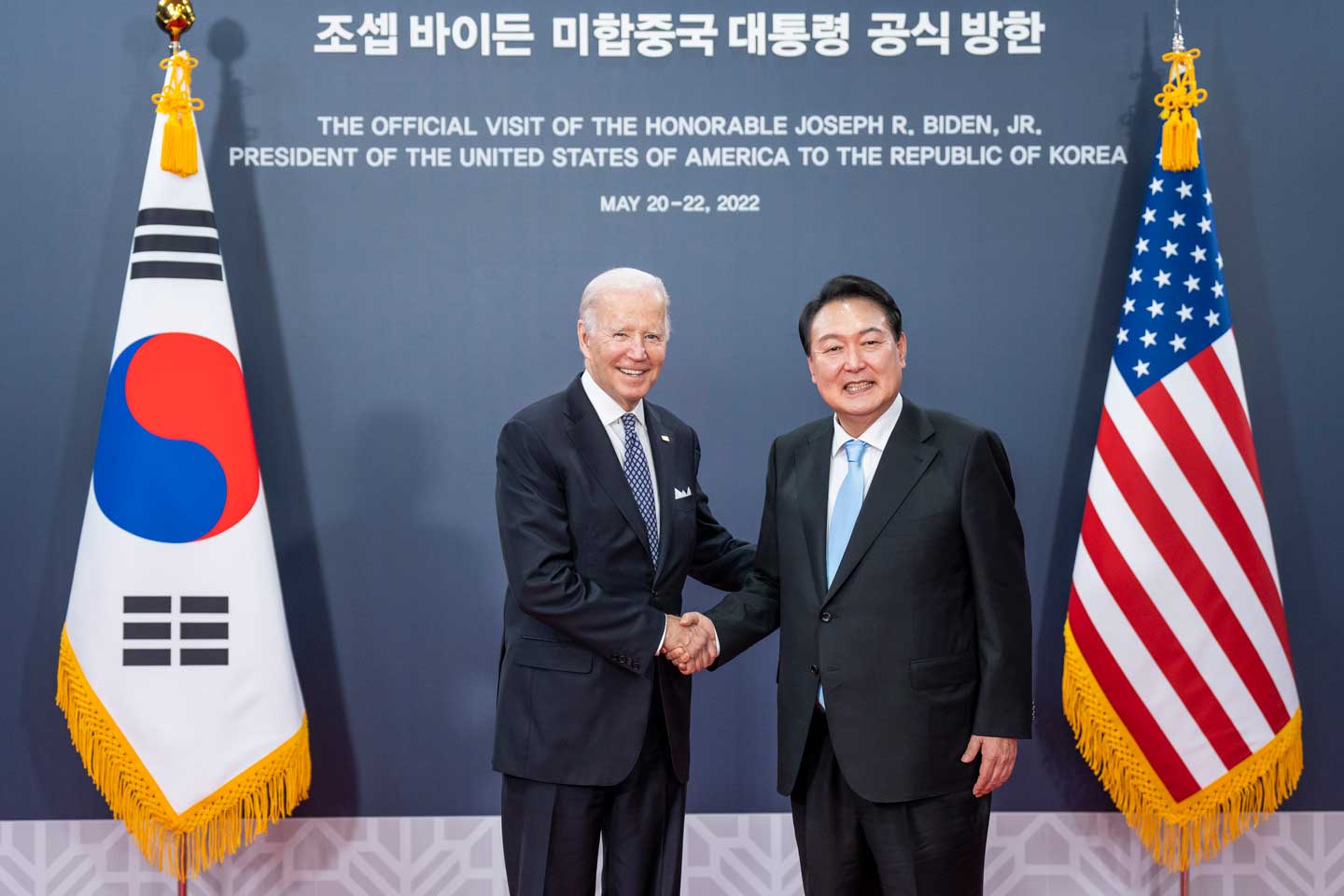
BGA’s Korea Team, led by Managing Director B.J. Kim, released an update on the business implications of South Korea’s new government and what its economic outlook might mean for companies. The update spotlighted some of the emerging indicators to watch and the potential consequences for domestic and foreign policy.
Context
- Yoon Suk-yeol won the presidential election with a historically narrow margin of just 0.73 percent of the vote, and he looks to be fashioning a moderate economic approach. That approach will appeal to a broad range of voters and will look to uphold market principles through a laissez-faire approach to the private sector.
- New developments at putting the spotlight on the new government’s priorities, with a case in point being the release of a paper by the presidential transition committee (PTC) on May 3.
Significance
- The May 3 paper makes it clear that the new government will focus on market principles in driving economic growth and innovation and strengthen Korea’s ties with the United States and its allies. The incoming government wants to differentiate itself from the previous one on economic policy by emphasizing deregulation and private sector initiatives.
- The paper elaborates on the incoming government’s policy visions and 110 key policy directions. These represent a wide range of sectoral areas including technology, energy and digital, and they are a mix of continuity and change relative to the administration of outgoing President Moon Jae-in.
Implications
- The 110 policy directions are offered in the form of commitments that companies should watch in specific sectors, including securing the leading edge in semiconductors, artificial intelligence (AI) and batteries, developing Korea into a global digital economy superpower and achieving the green transition with scientific carbon-neutrality implementation plans.
- The paper’s focus on a foreign policy that emphasizes engagement bears watching for firms interested in South Korea’s key alignments. The paper stresses widening and deepening Korea’s ties with the United States, conducting Seoul-Beijing interactions with mutual respect and rebuilding trust and future-oriented cooperation with Japan.
BGA will continue to keep you updated on developments in Korea as they occur. Questions can be directed to BGA Korea Managing Director B.J. Kim.

×