















Korea Tariff Tracker | July 31, 2025
The BGA Korea team, led by Managing Director B.J. Kim, wrote an update to clients on the U.S.-Korea tariff deal.
Context
- U.S. President Donald Trump July 30 (U.S. time) announced a new trade agreement with Korea that sets a 15 percent tariff on Korean goods — reduced from a previously threatened 25 percent — while securing $350 billion in Korean investment in the United States. The package includes $100 billion in liquefied natural gas (LNG) purchases and $150 billion allocated for U.S. shipbuilding.
Significance
- Observers and experts in Korea see the latest announcement as a reasonably successful negotiation result for Seoul. The agreement does not seem to place Korea at any significantly disadvantageous position, compared to Japan and the European Union — the major economies that secured their agreements with the United States before Korea did.
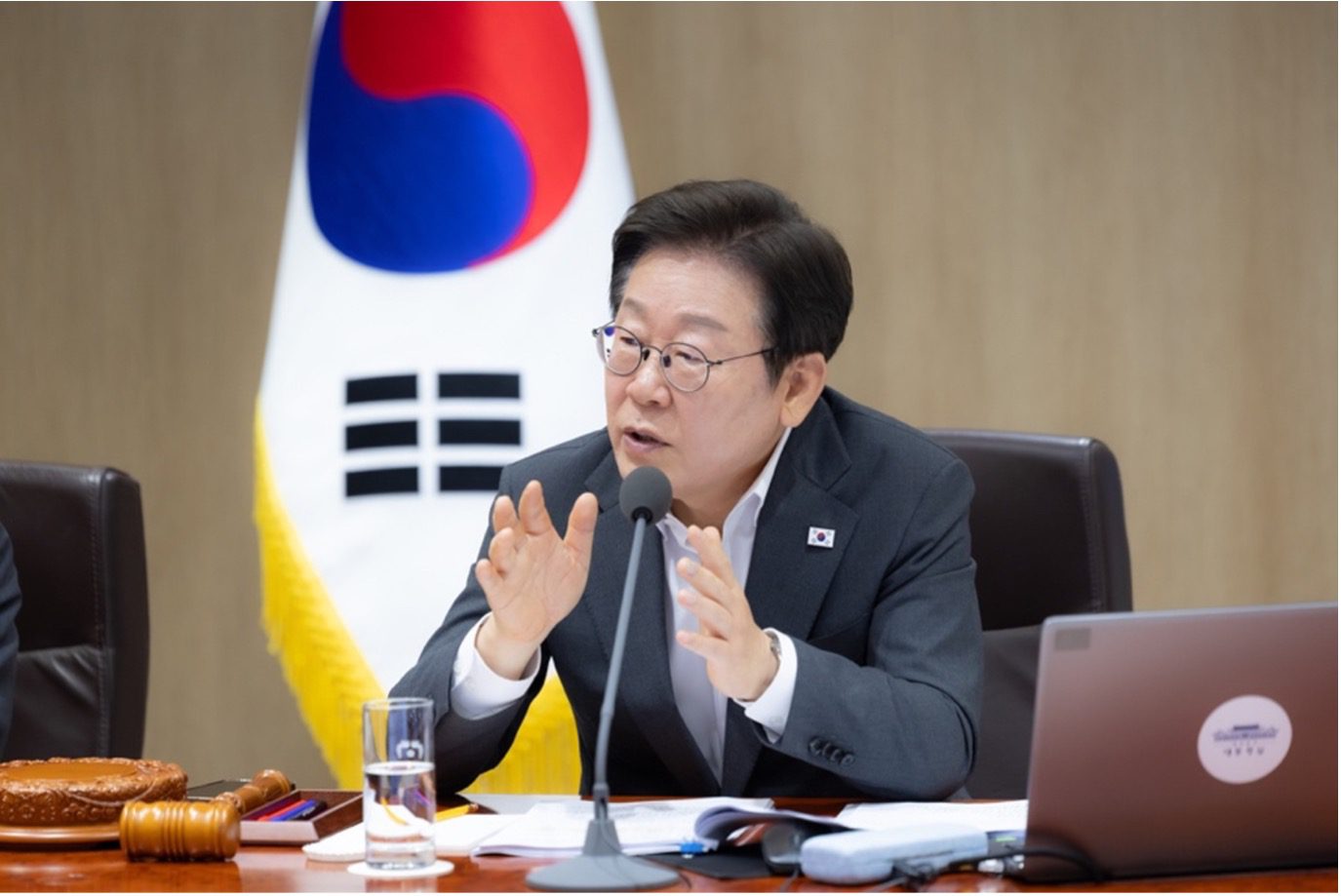
- This is a win-win deal for both Lee and Trump. Trump can sell it to the American people, saying he secured $350 billion investment from Korea to create U.S. jobs. Lee is seen by the Korean people as savvy in dealing with Trump, ensuring the best possible tariff rates under the given circumstances without having to lift the remaining rice and beef import controls.
Implications
- Korea will maintain fully open access for U.S.-originated automobiles and agricultural products, with notable exceptions, just as it has under the existing bilateral free trade agreement.
- Korea has secured most-favored nation tariff status on key sectors, such as semiconductors and pharmaceuticals, with regard to future U.S. agreements with other countries.
We will continue to keep you updated on developments in Korea as they occur. If you have any comments or questions, please contact BGA Korea Managing Director B.J. Kim at bjkim@bowergroupasia.com.
Best regards,
BGA Korea Team

×