















Thailand Enters 2026 With Early Election
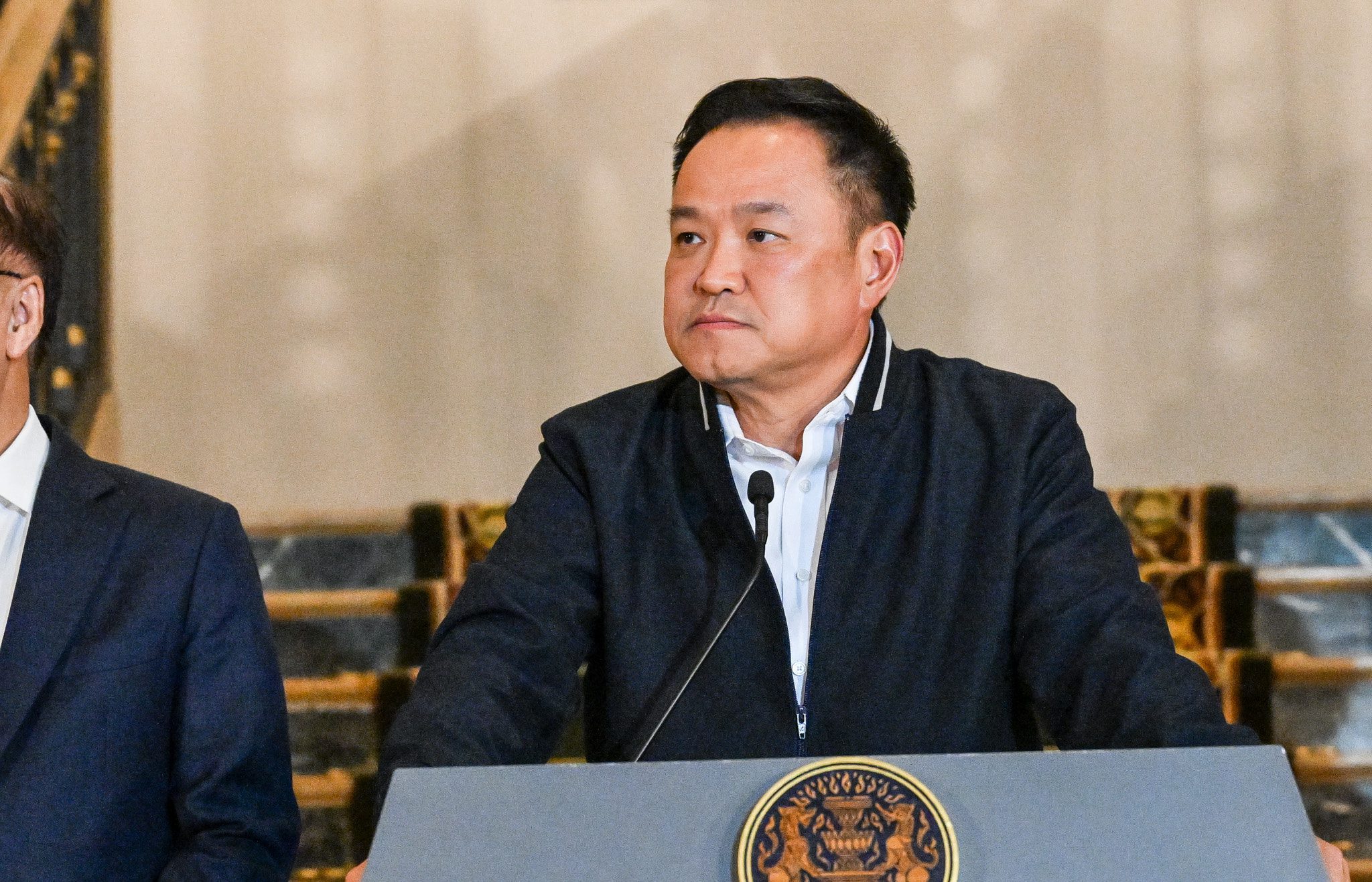
BGA Senior Adviser Thitinan Pongsudhirak wrote an update to clients on Thailand’s upcoming election.
As Thailand approaches the new year with an early election looming February 8, the most consequential issue to watch for the coming year will be whether recent volatile political patterns of polls, protests and military and judicial interventions give way to a compromise between the old guard clinging to vested interests and the new generation clamoring for reform and change. The next poll portends characteristics of its precursors in 2019 and 2023, with incumbency advantages and establishment forces lining up behind the caretaker minority government of Prime Minister Anutin Charnvirakul.
If Anutin’s Bhumjaithai Party comes out on top convincingly, it will likely form a stable coalition government based on provincial patronage and pork-barreling allocation of cabinet portfolios with uneven performance, similar to the military-backed government after the March 2019 poll. If the reform-driven People’s Party somehow emerges with a large winning margin, the political climate will likely be contentious and controversial, much like the aftermath of the May 2023 election. Clearer prospects will be discernible in the lead-up to the poll.
The election timing has moved up slightly but not unexpectedly. Anutin had proposed a four-month timetable, with the lower house dissolution around the end of January and a polling day by the end of March in accordance with a “memorandum of agreement” to obtain backing from the People’s Party. Although it was thought that Pheu Thai would be the opposition party to put the squeeze on the caretaker prime minister — owing to its rift with Bhumjaithai — it turned out to be People’s Party, which concluded that Anutin was not serious about following through with charter reform.
The People’s Party is intent on instituting political reforms through a new constitution drafted by a popularly chosen assembly, a move to be decided by voters in a referendum on election day. However, the constitutional maneuver to enable the referendum requires an overall majority in the bicameral Parliament, where Bhumjaithai holds sway over roughly two-thirds of the Senate. When the Senate stymied the referendum on charter reform, the People’s Party knew its agreement with Bhumjaithai was meaningless and therefore undertook preparations for a no-confidence vote in the lower house. As a result, Anutin’s hand was forced.
If it had taken place, a no-confidence debate could be deeply damaging for Anutin and his Bhumjaithai-led government. Less than a month ago, the minority government appeared incompetent and completely unable to effectively manage floods in Thailand’s southernmost region, particularly Hat Yai district in Songkhla province. On top of this abysmal performance, the crisis revolving around scam centers in Cambodia with alleged complicity and involvement of highly placed powerful figures in Thai society and politics could lead to a government grilling and adverse poll prospects. The People’s Party was poised to expose such controversies within Anutin’s government.
After averting the no-confidence motion, Anutin is now likely to exploit wartime exigencies and an upsurge in nationalism from the Thai-Cambodian military clash over a border dispute to head into the campaign season ahead of the vote. He seems to be relying on nationalism on one hand and royalism on the other to come out on top. Anutin accompanied the Thai king and queen to Bhutan for their first official state visit and similarly to Beijing last month. The current prime minister has been seen publicly together with the king’s principal private secretary on several occasions in recent months. While they have dissolved other parties and banned politicians time and again, the oversight agencies — Constitutional Court, Election Commission and National Anti-Corruption Commission — appear disinclined to go after parties and politicians tied to Anutin’s coalition government.
While early indications suggest a three-way race among Bhumjaithai, Pheu Thai and the People’s Party overshadowing smaller parties, the ruling party enjoys a considerable incumbency edge. The election seems to be Anutin’s to lose because the conservative-royalist stars in the Thai political constellation see him as the logical and natural figure to represent their interests, much more suitable than even Gen. Prayut Chan-ocha, the army chief who led the coup in 2014 and retained office after the 2019 poll with the help of oversight agencies. Anutin could turn out to be a civilian version of Prayut, serving establishment preferences without the stigma of coup and military background.
The only caveat is popular perceptions and public grievances that may be unspoken and concealed until they reach the polling booth. Public frustration and demand for change could be pent up, waiting for a chance to come to the fore. If so, the People’s Party will fare much better than polls and trends suggest, potentially edging out both Bhumjaithai and Pheu Thai. This outcome would lead to post-election tension and confrontation, plausibly the kind of power plays that denied Move Forward, the predecessor of the People’s Party, victory in 2023 and its eventual dismantlement.
With Anutin as the third prime minister in as many years, after the Constitutional Court removed Pheu Thai’s Srettha Thavisin in August 2024 and Paetongtarn Shinawatra a year later, Thailand’s political environment is evidently neither steady nor stable. The lack of political continuity has added to economic doldrums where annual growth projections for 2025-26 are under 2 percent.
Yet an early election bodes well for a new mandate and clearer policy directions. If the upcoming poll is free and fair like May 2023 but without the subsequent subversion and manipulation, a new administration could be in place by March-April, incentivized to usher in policy programs that lift growth above 2 percent to placate popular disenchantment and gain political legitimacy. As Thailand’s election campaign season unfolds with party hopping, poaching and defections, BGA will continue to keep clients informed on likely post-poll scenarios and what happens thereafter.
If you have comments or questions, please contact BGA Senior Adviser Thitinan Pongsudhirak at thitinan@bowergroupasia.com or BGA Thailand Managing Director Teerasak “Art” Siripant at tsiripant@bowergroupasia.com.
Best regards,
BGA Thailand Team