















Bangladesh Election Curtain Raiser: Political Party Manifestoes
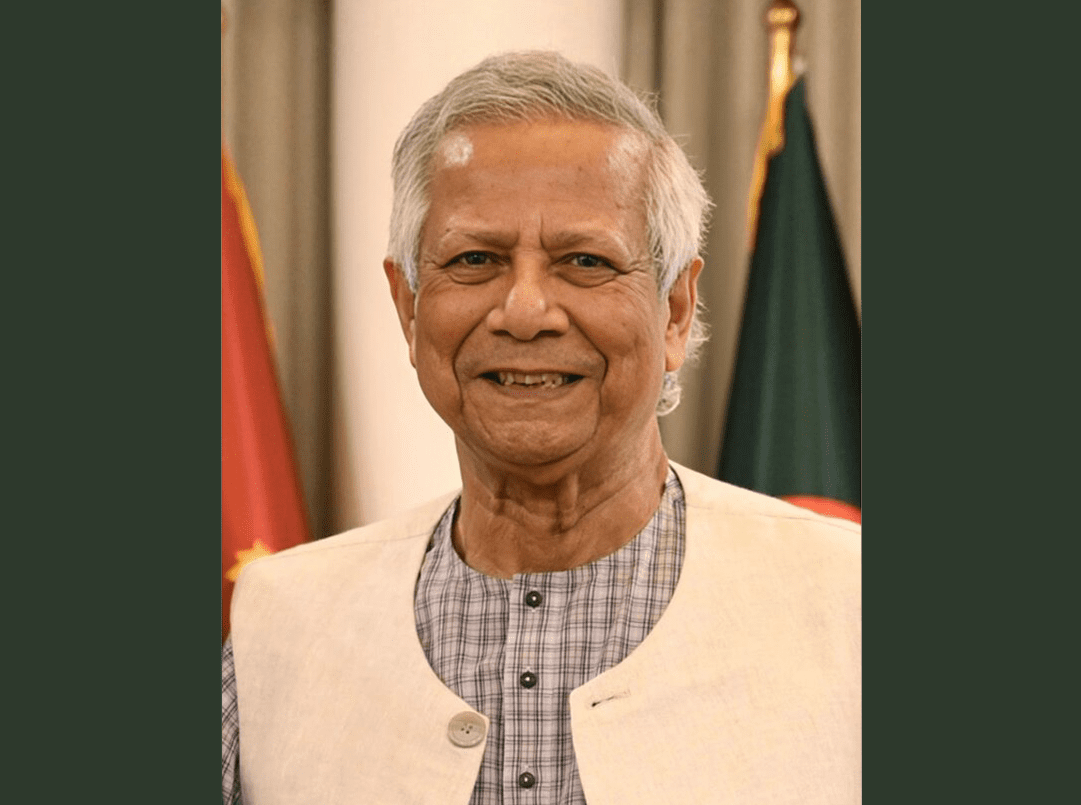
The BGA research team led by head of research, Murray Hiebert published an update for clients on the upcoming Bangladesh Election.
Context
· Up to 125 million Bangladeshis will go to the polls on February 12, in the first national elections since Prime Minister Sheikh Hasina’s government was toppled in August 2024. The elections mark the final step in the delicate political transition that has been under way for a year and a half. Some opinion polls have predicted strong support for the Bangladesh Nationalist Party, while the Jamaat-e-Islamin trails in second place.
· The electoral process in early February has been dominated by the announcement of election manifestoes by the major political parties, which essentially outline their priorities if elected. National Citizens Party (NCP), the party of the youth, which emerged after the July uprising of 2024, came out first. The Jamat-i-Islami and the Islami Andolon Bangladesh followed suit, and the Bangladesh Nationalist Party, which is the largest party, was the last one to announce its election manifest.
Significance
· All parties prioritize the implementation of the ‘July spirit,’ which toppled the previous government, meaning carrying out reforms of state institutions, ensuring justice for victims of the July uprising and addressing the issue of economic discrimination. There is a clear priority emerging on the need for boosting the economy through increased investment and the introduction of technology to build a modern economic infrastructure. Parties also agreed on the need for boosting the economy through increased investment and the introduction of technology to build a modern economic infrastructure
· The Bangladesh Jamaat-e-Islami announced its 41-point election manifesto entitled “safe, humane Bangladesh” on February 4, pledging to transform Bangladesh into a US$2 trillion economy by 2040 and to raise per capita income to US$10,000.
· BNP announced its 51-point election manifesto on February 6 with a pledge to form a truth and healing commission and implement nine major commitments aimed at rebuilding the country over the next five years, including initiating trials over the ‘July killings.’
Implications
· A few common points are clear. All parties prioritize the implementation of the ‘July spirit,’ which toppled the previous government, meaning carrying out reforms of state institutions, ensuring justice for victims of the July uprising and addressing the issue of economic discrimination. It remains to be seen which vision voters will accept during February 12 election
We will continue to keep you updated on developments in Bangladesh as they occur. If you have any comments or questions, please contact BGA Head of Research, Murray Hiebert, at mhiebert@bowergroupasia.com
Best regards,
BGA Bangladesh Team