

















US Targets China’s ‘Shadow Transshipment Network’
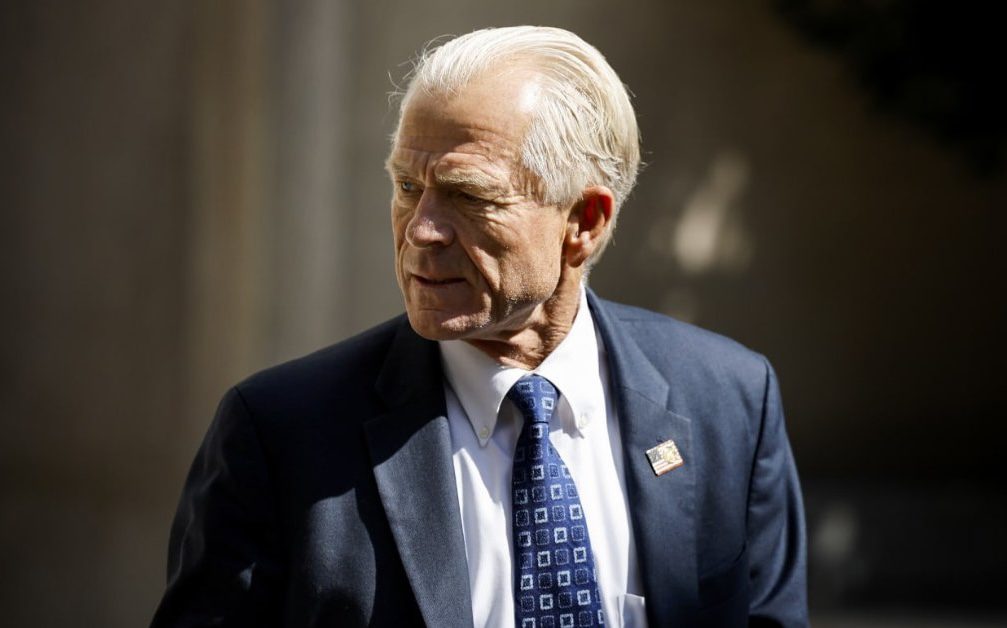
BGA Head of Research Murray Hiebert wrote an update to clients on the U.S. crackdown on China’s ‘shadow transshipment network.’
Context
- The administration of U.S. President Donald Trump on August 13 accused more than 40 countries of participating in what it described in blunt terms as China’s “shadow transshipment network” to evade U.S. tariffs. The 25-page report, “The Great Transshipment Scam,” was prepared by the White House Office of Trade and Manufacturing Policy and represents the most robust attempt by the United States to describe how Chinese goods are being rerouted through third countries to evade the tariff regime imposed by the administration.
- Artificial intelligence (AI) supply chain firm Exiger provided an estimate of $75 billion in alleged illegally transshipped goods between February 2025 and February 2026, causing a loss of tariff revenue between $19 billion and $34 billion. The values were drawn from two government and three private firm data sources, giving the administration multiple sources to make its claims.
Significance
- The report separates countries “according to the scale of China-linked trade, the depth of their economic integration with China and the weak-link advantages that make them susceptible to rerouting activity.” The methods described include relabeling, repackaging and false country-of-origin claims, practices that have allegedly expanded rapidly since Trump’s first-term tariffs created powerful financial incentives to route Chinese goods through countries facing lower tariffs.
- The report hits hardest against Southeast Asian countries and identifies Indonesia, Malaysia, Thailand and Vietnam as “scale leaders with significant economic integration.” The report claims these countries combine illegal transshipment volumes with deeper integration into China-linked supply chains, sourcing, manufacturing, logistics and regional rerouting channels.
Implications
- Businesses should watch for enhanced U.S. enforcement efforts as the White House announced it was rolling out an AI-powered “detective border.” It will scan shipment data against routing histories, confirm production capacity and ownership relationships and analyze packaging patterns and X-ray imaging at ports to detect mismatches between what is declared and what is actually in a container.
- The report does not explain how the AI system developed with Exiger will change or enhance enforcement capability. Until now, U.S. customs enforcement largely focused on high-value individual cases that took a long time to build. The report says the new AI detection approach is designed to identify patterns across millions of shipments simultaneously, flagging anomalies in routing, declared origin, production capacity and ownership structures that would be invisible to human reviewers.
- While the report does not announce new executive action beyond the framework agreements already in place, its release is widely interpreted as setting the legal and evidentiary groundwork for further escalation. This could include potential sanctions on specific companies and countries found to be systematic enablers of transshipment.
We will continue to keep you updated on developments in the Indo-Pacific as they occur. If you have any comments or questions, please contact BGA Head of Research Murray Hiebert at mhiebert@bowergroupasia.com or Managing Director for Global Trade and Economics Nydia Ngiow at nngiow@bowergroupasia.com.
Best regards,
BowerGroupAsia

×