



















Iran War and a New Middle East Security Architecture: Implications for the Indo-Pacific
BGA Senior Adviser Dr. Thitinan Pongsudhirak prepared an update for clients on the Iran war and its implications for the Indo-Pacific.
Context
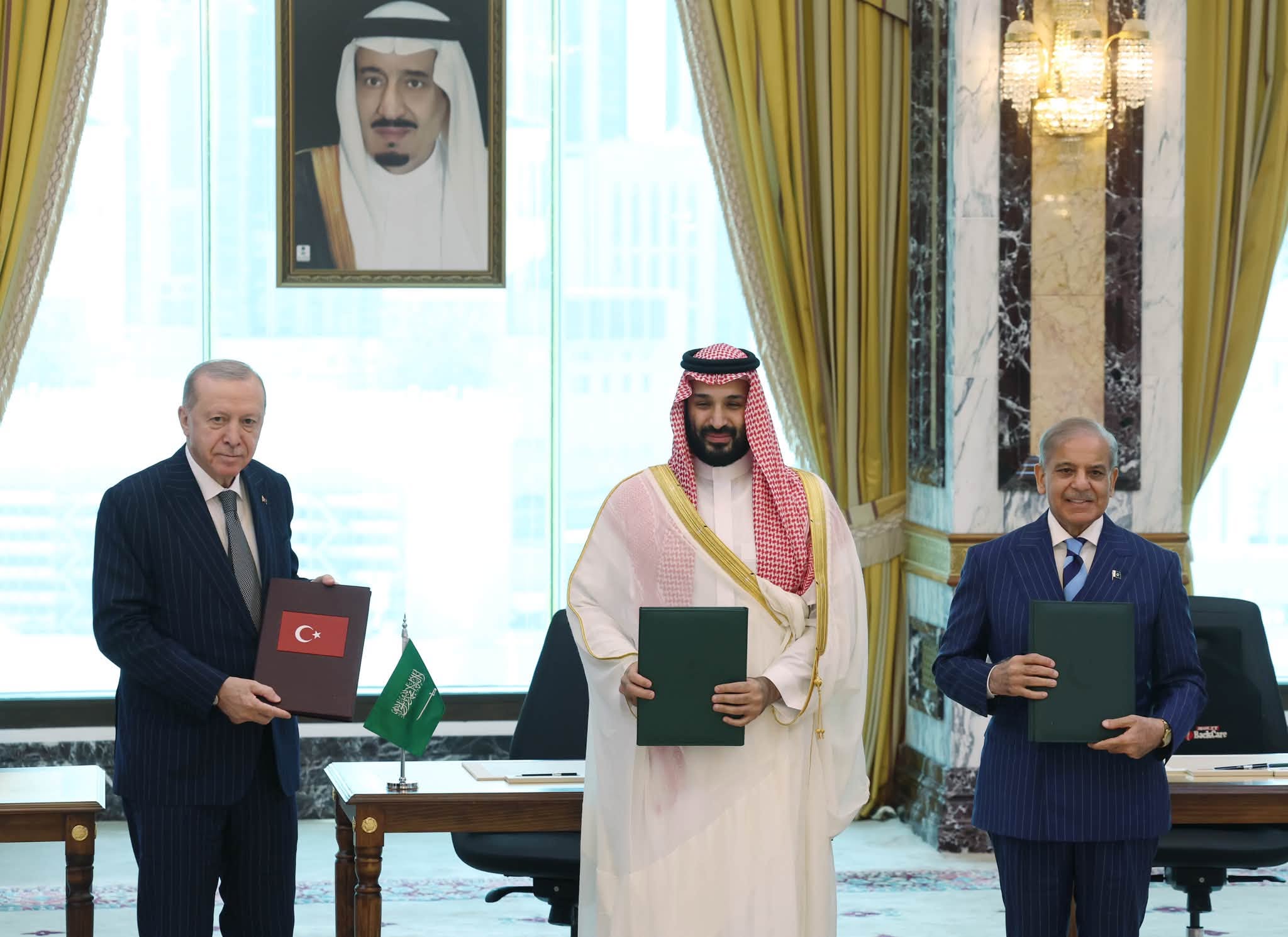
- The widening Iran war is increasingly reshaping regional security dynamics beyond the battlefield. As Iran continues to resist U.S. and Israeli pressure, questions are emerging about the durability of U.S.-led security arrangements that have underpinned regional stability for decades. Against this backdrop, Saudi Arabia, Pakistan and Turkey have strengthened defense cooperation through new security agreements, including the recently signed Mecca Joint Defense Agreement.
- The conflict shows few signs of a definitive resolution despite periodic ceasefires and negotiations. Iran continues to leverage its geography, underground military infrastructure and control over the Strait of Hormuz to offset its conventional military disadvantages. Tehran’s demands for sanctions relief, release of frozen assets and compensation for war-related damages underscore the wide gap that remains between the parties.
Significance
- The Saudi Arabia-Pakistan-Turkey defense alignment signals the emergence of a more self-reliant regional security model. Rather than replacing existing ties with Washington, the arrangement reflects growing concern that the United States may not always be willing or able to provide the security guarantees regional partners have traditionally relied upon. The participation of nuclear armed Pakistan adds a strategic deterrent dimension, even without any formal nuclear commitments.
- The war has exposed the limits of military power in achieving long-term political objectives. While the United States and Israel retain overwhelming military advantages, Iran has demonstrated an ability to sustain resistance and retain leverage through asymmetric capabilities and its position along a critical global energy chokepoint. War costs have skyrocketed beyond $40 billion and counting, while U.S. national debt is approaching $40 trillion. As a result, strategic stability increasingly depends on political negotiations and regional balancing rather than battlefield outcomes alone.
Implications
- Businesses should prepare for a prolonged period of geopolitical uncertainty across the Middle East. An extended conflict could continue to affect energy prices, shipping routes, insurance costs and supply chains, particularly through ongoing risks surrounding the Strait of Hormuz. Periodic ceasefires may provide temporary relief, but underlying tensions are likely to keep volatility elevated.
- Companies should also monitor the emergence of new regional security arrangements alongside traditional U.S.-led frameworks. The growing tendency of Middle Eastern states to diversify security partnerships suggests a gradual shift toward a more multipolar regional order. If the trilateral defense pact expands to include additional countries such as Egypt, it could become a more influential factor in future regional security and investment calculations.
We will continue to keep you updated on global developments. If you have comments or questions, please contact BGA Senior Adviser Dr. Thitinan Pongsudhirak at thitinan@bowergroupasia.com.
Best regards,
BowerGroupAsia

×