


















BRICS 2026: India’s Chair Year Delivers Consensus, Cooperation and Global South Leadership
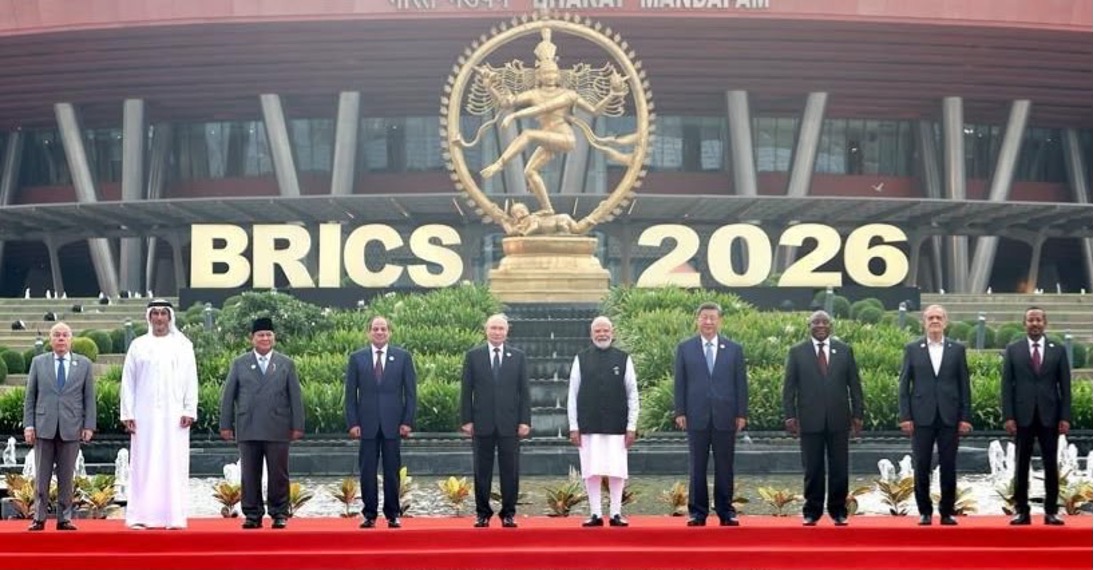
The BGA India team, led by Managing Director Anuj Gupta, prepared an update for clients on the 18th BRICS Summit held in New Delhi.
Context
- India concluded its 2026 BRICS chairmanship with the 18th BRICS Summit in New Delhi, bringing together the expanded 11-member grouping under the theme “Building for Resilience, Innovation, Cooperation and Sustainability.” The summit capped more than 400 BRICS meetings across 30 Indian cities and resulted in the unanimous adoption of the New Delhi Declaration. BRICS members now account for approximately 49 percent of the global population and 40 percent of global GDP, underscoring the bloc’s growing economic and geopolitical weight.
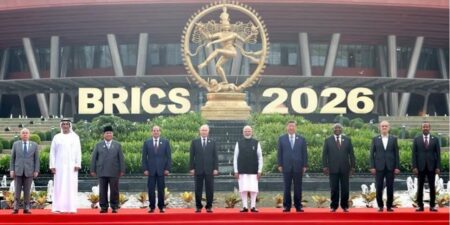
- The summit combined economic priorities with significant geopolitical signaling. Chinese President Xi Jinping’s first visit to India in seven years and Russian President Vladimir Putin’s participation highlighted India’s ability to engage multiple major powers simultaneously amid growing global fragmentation. India used the summit to position BRICS as a platform for Global South representation and practical cooperation rather than an explicitly anti-Western bloc.
Significance
- The summit marked a shift from BRICS expansion toward deeper institutional and economic coordination. Members advanced initiatives spanning a 2026-2030 Global Value Chain Action Plan, customs cooperation, trade facilitation, cross-border payments, development finance, AI governance and digital infrastructure. These efforts indicate that BRICS is increasingly focused on creating frameworks that can strengthen supply chains, investment flows and economic connectivity among member economies.
- India successfully reinforced its role as a bridge-builder within an increasingly diverse grouping. New Delhi managed difficult negotiations among members with competing geopolitical interests, including Iran, Saudi Arabia and the UAE, ultimately securing consensus on the New Delhi Declaration. The summit also demonstrated India’s broader strategy of advancing multipolarity and Global South representation while maintaining engagement with both Western and non-Western partners.
Implications
- Companies should increasingly view BRICS as an emerging platform influencing trade, supply chains, finance and technology policy across major developing markets. Initiatives involving customs cooperation, supply chain resilience, digital infrastructure, AI governance, development finance and critical minerals could gradually reduce friction and create new opportunities for investment and market access. While most measures remain at the framework stage, they signal a longer-term trend toward greater coordination across BRICS economies.
- Businesses should monitor implementation under China’s 2027 BRICS chairmanship, which will be an important test of the bloc’s ability to translate declarations into concrete outcomes. Progress on cross-border payments, development finance, value-chain integration and technology cooperation could affect how companies structure regional operations and investment strategies. The immediate impact is likely to be incremental, but the growing institutionalization of BRICS could increasingly shape trade, investment and regulatory environments across a group representing nearly half of the world’s population and 40 percent of global GDP.
If you have questions or comments, please contact BGA India Managing Director Anuj Gupta at agupta@bowergroupasia.com.
Best regards,
BGA India Team

×