
















Cambodia Revises Process for Electing Local Leaders Ahead of 2027 Election
BGA Cambodia Deputy Managing Director Sophea Ros wrote an update to clients on a change in local elections processes.
Context
- Cambodia promulgated amendments to the Law on Commune/Sangkat Administrative Management September 26, introducing a new formula for allocating commune chief and deputy positions based on election results and candidates’ rankings. The Ministry of Interior said the changes would not alter the electoral system, remove seats allocated to political parties or restrict citizens’ rights; instead, they are intended to align the selection of commune administration leaders with election results and voters’ wishes. However, an alliance of opposition parties — the Grassroots Democratic Party, Khmer Will Party, Candlelight Party, Democratic Progressive Party and Cambodia Reform Party —said that allowing a party with a dominant share of the vote to hold all executive positions in communes and sangkats (the country’s two classes of third-tier administrative units) would excessively concentrate power and could undermine local governance.
- The Law on Commune/Sangkat Administrative Management, adopted in 2001, establishes the administrative framework for all communes and sangkats in the Kingdom of Cambodia in accordance with the policy of decentralization. Each commune and sangkat has a representative council that is responsible for serving its residents. The councils prepare, adopt and implement development plans to identify local needs and priorities and guide development. The law also establishes provisions for the structure, finances, roles, functions and powers of the councils as well as applicable penalties.
Significance
- Under the new Article 33, if a party list wins two-thirds of the total votes, the commune or sangkat chief and both deputy chiefs are selected from that party’s list. Under the old law, the candidates who received the second-highest and third-highest number of votes were elected first deputy chief and second deputy chief, respectively. Commune and sangkat councilors are elected through a closed-list proportional representation system, in which voters choose a political party’s list rather than individual candidates.
- Under the amended Article 34, if no political party receives two-thirds of the total vote, the commune or sangkat chief and first deputy chief are selected from the party list that receives an absolute majority of the votes. The second deputy chief is selected from the list receiving the second-highest number of votes. Under the old law, if the official election results showed that only one party list qualified, councilors from that list would serve as the commune or sangkat chief and both deputy chiefs.
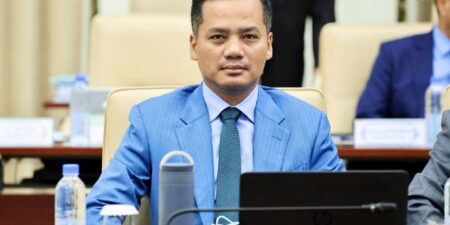
- Minister of Interior Sar Sokha, who proposed the amendment, has defended it as necessary to strengthen consensus in local leadership and rejected claims that it would centralize political power. “It is a change to reform the selection process so that it reflects the election results and the will of the people,” he said. He added that the changes are consistent with the rule of law, the constitution and the principles of multiparty liberal democracy, and they are intended to support more effective leadership and administration.
Implications
- The outcome of the commune elections is not expected to affect the composition of the government or its policy, legislative or regulatory priorities. Preparations for the next election, likely starting in the first quarter of 2027, may slow the pace of policy, legislative and regulatory adoption, but the implementation of existing initiatives is expected to continue. Companies pursuing advocacy agendas can continue to seek government support but should adjust their approach to account for potential delays, maintain consistent follow-up and allow more time for planning.
We will continue to keep you updated on developments in Cambodia as they occur. If you have any comments or questions, please contact BGA Cambodia Managing Director Sophea Ros at sros@bowergroupasia.com.
Best regards,
BGA Cambodia Team

×