















Myanmar’s New Normal: Moving Ahead Without Democracy
BGA Senior Adviser Dr. Thitinan Pongsudhirak wrote a client update on political updates in Myanmar five years from the 2021 coup.
Context
- It is critical to separate Myanmar’s two wars. The military war is not lost. Myanmar’s armed forces, also known as the Tatmadaw, do not control most of the country. Ethnic armed organizations (EAOs) remain strong and continue to take the fight to the military in borderland states, while People’s Defense Force (PDF) units are still holding on in the central dry zone. Nobody has won on the battlefield, although the EAOs and PDFs under the National Unity Government (NUG) missed their chance to form a government around mid-2024 after seizing majority territorial control.
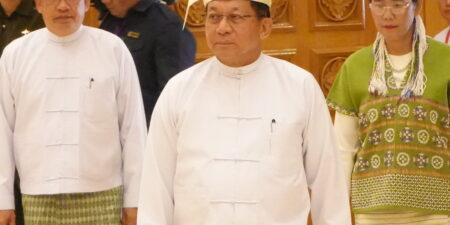
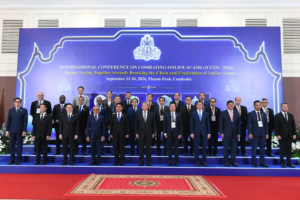
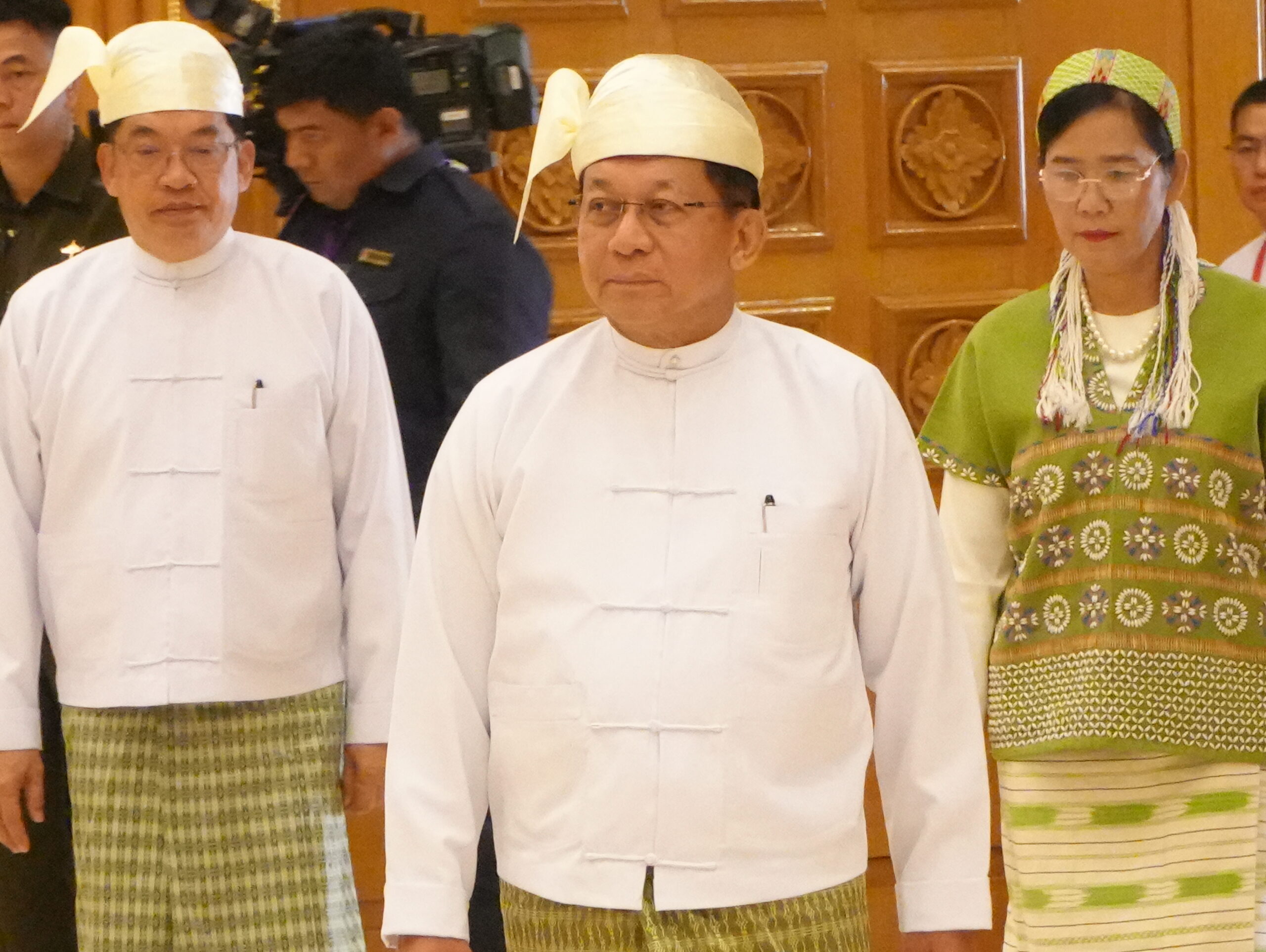
- The political war, on the other hand, has been lost. Since assuming the presidency in April, Min Aung Hlaing has made eight foreign trips. China, India and Russia have received him, as have four Association of Southeast Asian Nations (ASEAN) member states in three months, namely Laos in July, Thailand in August and Vietnam and Cambodia in September. Counting Myanmar itself, nearly half of ASEAN now deals with Min Aung Hlaing at the top level. Thailand’s red-carpet welcome opened the biggest door because Bangkok is ASEAN’s founding member and birthplace, and the country shares Myanmar’s longest border.
Significance
- What is emerging resembles Myanmar before 2011, when a military-run state faced Western sanctions and opprobrium while Asian neighbors and investors kept doing business and insurgencies carried on in the periphery. In that era, Thai, Chinese, Singaporean, Japanese and Korean companies operated in gas, power, hospitality, construction and consumer goods while most Western firms stayed away. A similar pattern is now taking shape, this time with a civilian veneer and a president who wants foreign investment to shore up a battered economy and to show legitimacy.
- ASEAN’s Myanmar divide is now hardening along mainland and maritime lines, with the Philippines as this year’s chair and Singapore as next year’s, along with Malaysia and Indonesia, still keeping Min Aung Hlaing out of leaders’ summits. Meanwhile, Naypyidaw is courting Washington’s transactional instincts. It released the former head of the American Chamber of Commerce in Myanmar after three months in detention in September, and it has retained a Washington lobbying firm reportedly for $3 million a year. Once in motion, political engagement risks generating its own momentum toward normalization and eventual recognition.
Implications
- BGA clients can begin working and operating in Myanmar again, with eyes wide open in view of an entrenched sanctions regime. Several considerations should be borne in mind:
- Political risk of reentry is falling. The military-backed order is not going away soon, and the reputational cost of presence is declining as neighbors normalize, although it has not disappeared.
- Geography matters. Operations are most viable along the Yangon-Mandalay-Naypyidaw corridor and in border trade with Thailand, where state control holds. Resource projects in contested areas carry high security and reputational risk.
- Watch Washington. Any U.S. easing, whether driven by rare earths, scam-center cooperation or the China factor (for example, President Donald Trump’s bonhomie with President Xi Jinping during the latter’s Washington visit last week), would be the tipping point for Western firms to pile in, although Europe will probably move more slowly.
- Myanmar is not returning to democracy anytime soon, but it is not standing still either. For businesses, the question is shifting from whether to reengage to how, where and with whom.
We will continue to help clients navigate this new normal. If you have comments or questions, please contact BGA Senior Adviser Dr. Thitinan Pongsudhirak at thitinan@bowergroupasia.com.
Best regards,
BowerGroupAsia

×