



















What Businesses Should Watch at APEC
BGA Senior Adviser Amb. Lawrence Greenwood‘s analysis below was featured in BGA’s November 2026 Geopolitical Calendar.
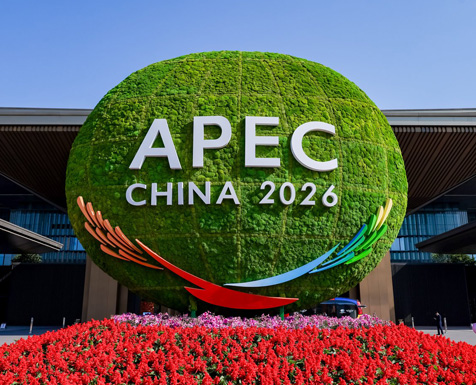
The leaders of the Asia-Pacific Economic Cooperation forum will meet in Shenzhen, China, from November 18-19, with Beijing pushing for a substantive outcome document covering digital trade, AI, connectivity, energy and World Trade Organization reform. China has instituted several changes to the usual format for these meetings, making the traditional foreign and trade ministers meeting that precedes the summit a virtual session and downsizing the CEO Summit by limiting non-Chinese participation and restricting private sector access to leaders. The sidelines will draw more attention. U.S. President Donald Trump plans to follow up with Chinese President Xi Jinping after the two extended their trade truce to January 2027 while leaving rare earths, chips and Taiwan unresolved. Russian President Vladimir Putin has also proposed a three-way meeting to discuss Ukraine. Trump says he is open to the proposal, but Beijing has not confirmed its position.
Companies should watch whether the APEC leaders’ declaration endorses commitments on digital trade and AI reached over the past year. This includes support for “trusted open-source models” with strong security assurances and a pro-innovation regulatory approach and whether Trump and Xi can come to an agreement to resume normal exports of rare earths to the United States. The Kremlin has tied Putin’s attendance at the Group of 20 summit in Miami to the Shenzhen outcome. As such, a trilateral could also provide indicative signals on sanctions, energy and Russia’s place in the U.S.-China relationship.