


















Bangladesh Gears Up for Election and Constitutional Referendum in February
BowerGroupAsia wrote an update to clients on Bangladesh’s upcoming elections.
Context
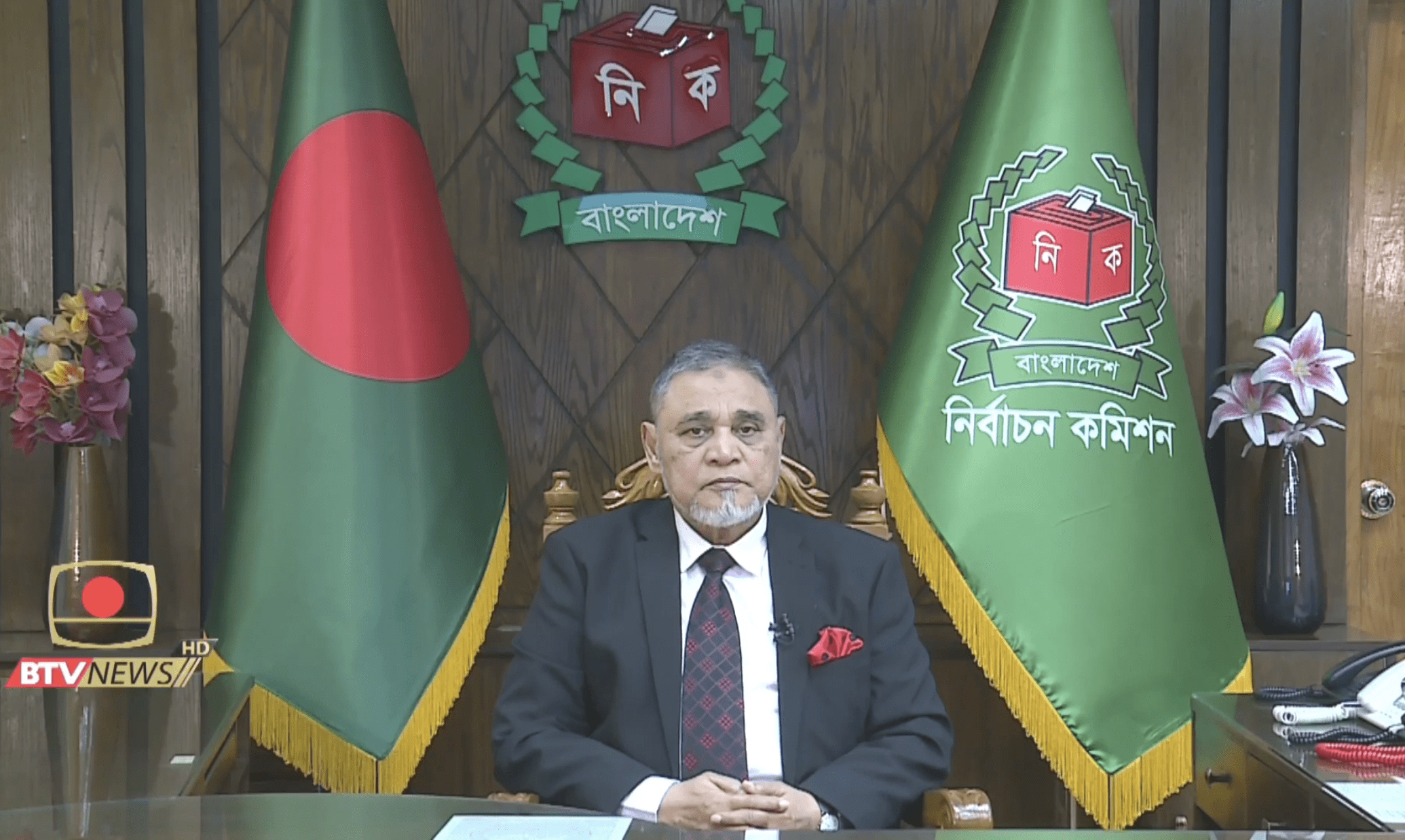
- Bangladesh Chief Election Commissioner A.M.M. Nasir Uddin on December 11 announced the schedule for the country’s 13th general election and constitutional referendum, which will take place February 12, 2026. Uddin urged everyone to help make both exercises a success and “together play a historic role in advancing the country’s democratic journey.” He called upon “all political parties, contesting candidates and voters to participate sincerely and extend active cooperation in the electoral process.”
- With this election, voters will have an opportunity to choose their candidates after being deprived of voting rights during the last three elections under the previous government of Sheikh Hasina. The former prime minister was removed from office in August 2024 after mass protests forced her to flee the country. In November 2025, Hasina was sentenced to death for crimes against humanity.
Significance
- The election will include a few new features:
- Expatriate voters will be allowed to cast their votes for the first time. The Election Commission has launched an online postal ballot registration system for expatriates, with around 297,000 voters registering as of December 11. The ballots, containing only party and independent symbols rather than candidate names, must reach returning officers before the close of polls.
- A referendum will be held on the same day with a different ballot paper, which will present the reform issues under the July Charter before the voters for their decision.
- Constituencies with only one candidate will include a “no vote” option for the voters. This feature was removed by the last government.
- The electoral booths will remain open for a longer duration this time to accommodate these two requirements.
- The electoral code of conduct came into effect immediately after the announcement. The Election Commission has asked the Public Administration Ministry to deploy two executive magistrates to each upazila (district subunit) to enforce it until two days after voting. According to the electoral code of conduct, advisers and senior officials will be barred from using government facilities for campaigns. The government will also not be allowed to approve or inaugurate development projects that may influence voters.
- The election announcement was well received by almost all stakeholders. Chief Adviser Mohammad Yunus congratulated the Election Commission, calling the announcement an important milestone. He observed, “Following the historic mass uprising, the country is now advancing on a new path. This election and referendum will strengthen that trajectory, give priority to the will of the people, and further consolidate the foundation of a new Bangladesh.”
- The Bangladesh Nationalist Party (BNP), the country’s largest political party, said it was a “day of joy” and took the announcement as a reassurance toward protecting the rights of the people to vote.
- Jamaat-e-Islami said the election would remove uncertainty.
- The National Citizen Party welcomed the announcement as a positive step but doubted the Election Commission’s ability to “remain neutral amid political pressure.”
- Among other parties, Islami Andolan and Bangladesh Khilafat Andolan, both from the right side of the political spectrum, said the announcement paved the way for a credible and meaningful election.
- The Awami League, Hasina’s party, did not comment, but informal sources rejected the election announcement. The party’s activities remain suspended, and it will not be allowed to participate in the next election.
Implications
- The potential for political violence has created a sense of unease despite the enthusiasm for the election announcement. Violence struck in Dhaka just one day after the announcement when an independent candidate from a Dhaka city constituency was shot at in broad daylight.
- Three potential sources of violence could upset the election cycle. The fugitive Awami League activists could ignite violence to derail the electoral process. Since they are not participating in the process, they have no stake in peacefully holding the election. Intensifying competition between the Jamaat-e-Islami and the BNP could also spark violence. They are already challenging each other politically and have high stakes in the outcome. Lastly, the negative online campaigns have the potential to ignite violence in certain constituencies. Online activists from outside the country played a significant role in mobilizing the public to oust the last government, and they still hold a considerable degree of influence.
- Three actors will decide the fate of the election:
- The interim government will have critical role to play in ensuring a peaceful environment for holding a successful election. So far, it seems that the government under Yunus is committed to holding a free and fair election in a peaceful environment. Despite some weaknesses within the police, the armed forces will extend its full support toward a peaceful election.
- The constructive role of political parties is another key to the success of the upcoming election and referendum.
- The role of the international community, including the United States, European Union, China, the United Nations and India, will be critical for the success of the election. Many have already agreed to send election observers.
- A couple of contingencies could throw the BNP into disarray. The first would be the death of Begum Khaleda Zia, the BNP chairperson. She has been in the hospital for about a month and is in critical condition. The second would be a delay in the arrival of acting BNP chairperson Tarek Zia, who is exile in London but is scheduled to arrive in Dhaka December 25.
We will continue to keep you updated on developments in Bangladesh as they occur. If you have any questions or comments, please contact BGA Head of Research Murray Hiebert at mhiebert@bowergroupasia.com.
Best regards,
BowerGroupAsia

×