

















Bangladesh’s Peaceful Parliamentary Election and Referendum Offer Optimistic Signals for Bangladesh
The BGA research team, led by head of research Murray Hiebert, wrote an update to clients regarding the results of the Bangladesh election.
Context
- The election of the next Parliament and passage of the referendum February 12 concluded in a peaceful and participatory environment, delivering a landslide victory for the Bangladesh Nationalist Party (BNP). The surprise rise of Bangladesh Jamaat-i-Islami (BJI) has also introduced a new factor in the national political equation. The latest results show BNP having secured 210 seats in a Parliament of 300 seats, BJI got 68 seats and six seats went for the National Citizens Party (NCP), a new party of the youth and an ally of BJI. A few independents also secured seats in the upcoming Parliament.
- The voting also included a referendum on the national constitution. The referendum asked voters if they approved sweeping reforms proposed under the July National Charter following the toppling of the previous government. Some 68 percent of voters endorsed the referendum.
Significance
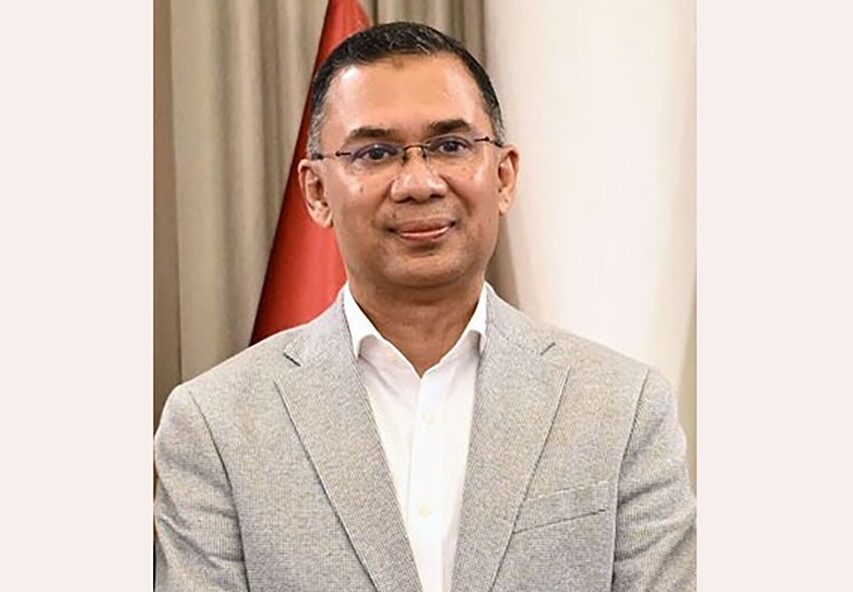
- BNP has reemerged as the dominant political force after almost 20 years of political adversity, including the exile of its Chairman Tarek Rahman for the past 17 years. It seems that the massive suppression by the Awami League during its tenure could not make much dent on BNP’s popularity, which is reflected by the election results. The outcome of the referendum obligates the BNP to work with other political parties to reform the constitution in line with the referendum and the July Charter.
- BJI is a new feature in Bangladesh politics. Before the election, the BJI created an impression that it could win the race, but the results belied that. Still its showing is outstanding considering the party secured five times more seats than its previous record of 18 seats in the 2001 Parliament. Although a large section of the youth gravitated toward the BJI, its conservative position on women and other social issues may have cost it a huge chunk of women and male votes
Implications
- The election manifesto of BNP gives us a preview of their outlook on business and economic policies. Key elements include:
- Pledging to create a trillion-dollar economy for Bangladesh by 2034, meaning doubling its size in next eight years
- Raising the tax to GDP ratio to 15 percent from the current 7 percent
- Expanding the digital economy and establishing global connectivity by introducing international payment systems, setting up regional e-commerce hubs and promoting exports of “made in Bangladesh” products
- Liberalizing the economy to further attract investment, both domestic and foreign
If you have questions or comments, please contact the research team at research@bowergroupasia.com.
Best regards, BGA Research Team

×