

















Cambodia Mitigates Energy Risks Through Policy Intervention
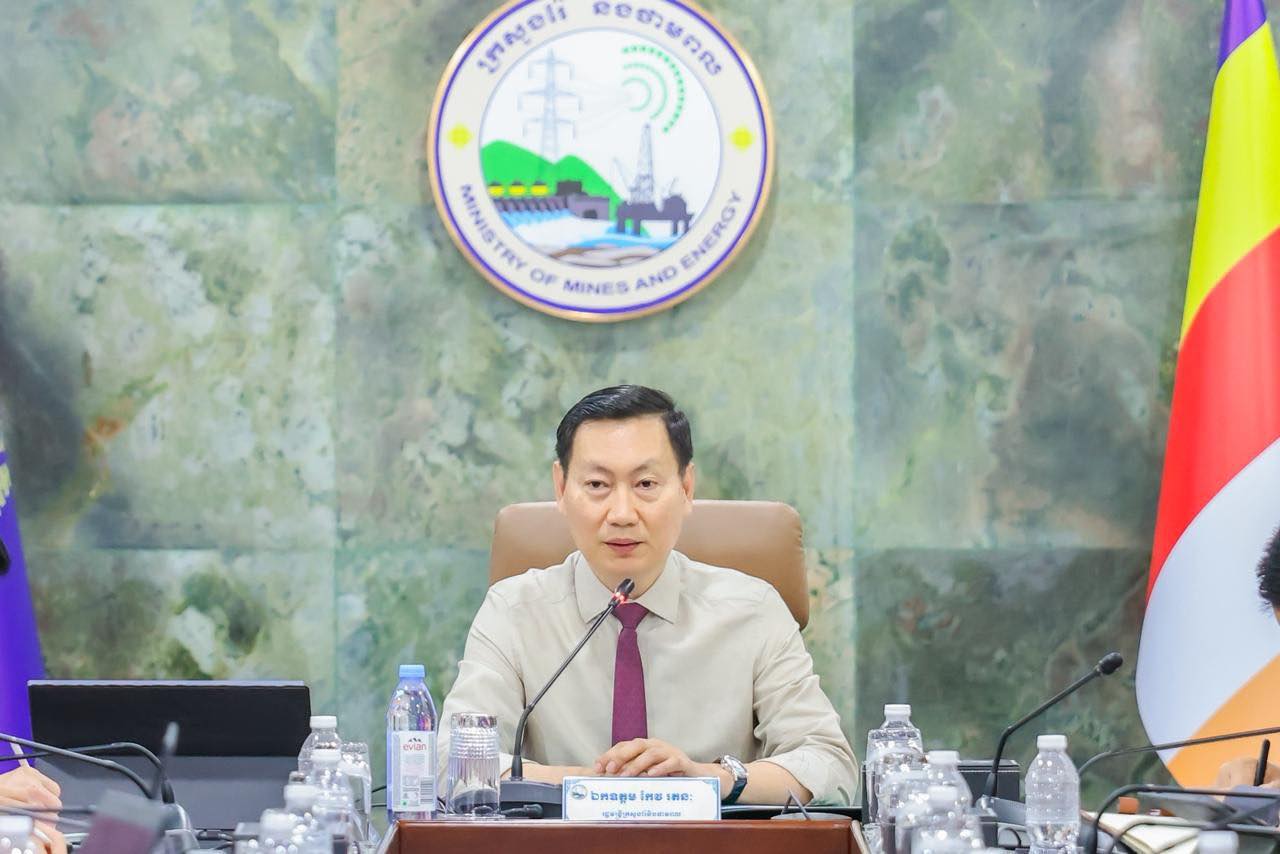
The BGA Cambodia team, led by Managing Director Bora Chhay, prepared an update for clients on the government’s coordinated measures to stabilize fuel and electricity costs and mitigate supply risks following global disruptions triggered by U.S. and Israeli attacks on Iran.
Context
- Cambodia is facing heightened energy supply risks and cost pressures as Middle East tensions disrupt key fuel and gas routes through the Strait of Hormuz. While current fuel and electricity supplies remain stable, Cambodia’s limited reserves and full import dependency leave the country structurally exposed to external shocks and rising global prices.
- The government implemented a multilayered response on March 19 to stabilize costs and ensure continued supply. Measures include conservation rules, subsidies and tax relief, increased imports from Singapore and Malaysia and targeted labor support, as traditional suppliers Vietnam and China restrict exports to meet domestic demand amid global supply chain disruptions.
Significance
- Cambodia is operating within an increasingly policy-managed energy environment shaped by external vulnerabilities and domestic capacity constraints. With less than one month of fuel reserves and no domestic refining capability, Cambodia remains highly exposed to global volatility, prompting the government to intervene through fuel and electricity conservation, fiscal mechanisms and diversification of supply sources.
- The government’s strategy reflects a longer-term shift toward strengthening energy security and reducing dependence on other countries. Plans to develop a refinery and establish a strategic crude stockpile by 2029, along with efforts to expand renewables and explore liquefied natural gas imports, signal an ambition to build resilience.
Implications
- Companies can expect continued energy cost volatility and pressure on fuel-dependent operations. Rising logistics and transportation costs, unpredictable global pricing trends and ongoing supply risks will require businesses to strengthen internal cost management and maintain operational flexibility.
- Businesses should prepare for greater government influence over energy consumption and operational planning. Conservation directives, shifting import patterns, changes to subsidy structures and evolving supply diversification efforts mean firms will need to stay engaged with regulatory developments and adjust operational strategies as policy measures evolve.
We will continue to keep you updated on developments in Cambodia as they occur. If you have any comments or questions, please contact BGA Cambodia Managing Director Bora Chhay at bchhay@bowergroupasia.com.
Best regards,
BGA Cambodia Team

×