
















Japan Deepens Resource Diplomacy Across Africa
The BGA Japan team, led by Managing Director Kiyoaki Aburaki, and the BGA Africa team, led by Managing Director Dickson Omondi, wrote on update on Japan’s growing footprint in Africa’s critical minerals and resources networks.
Context
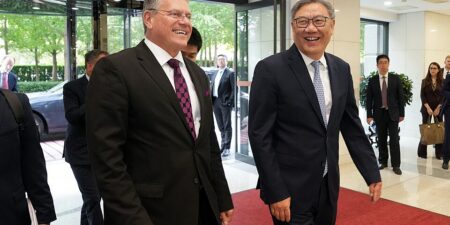
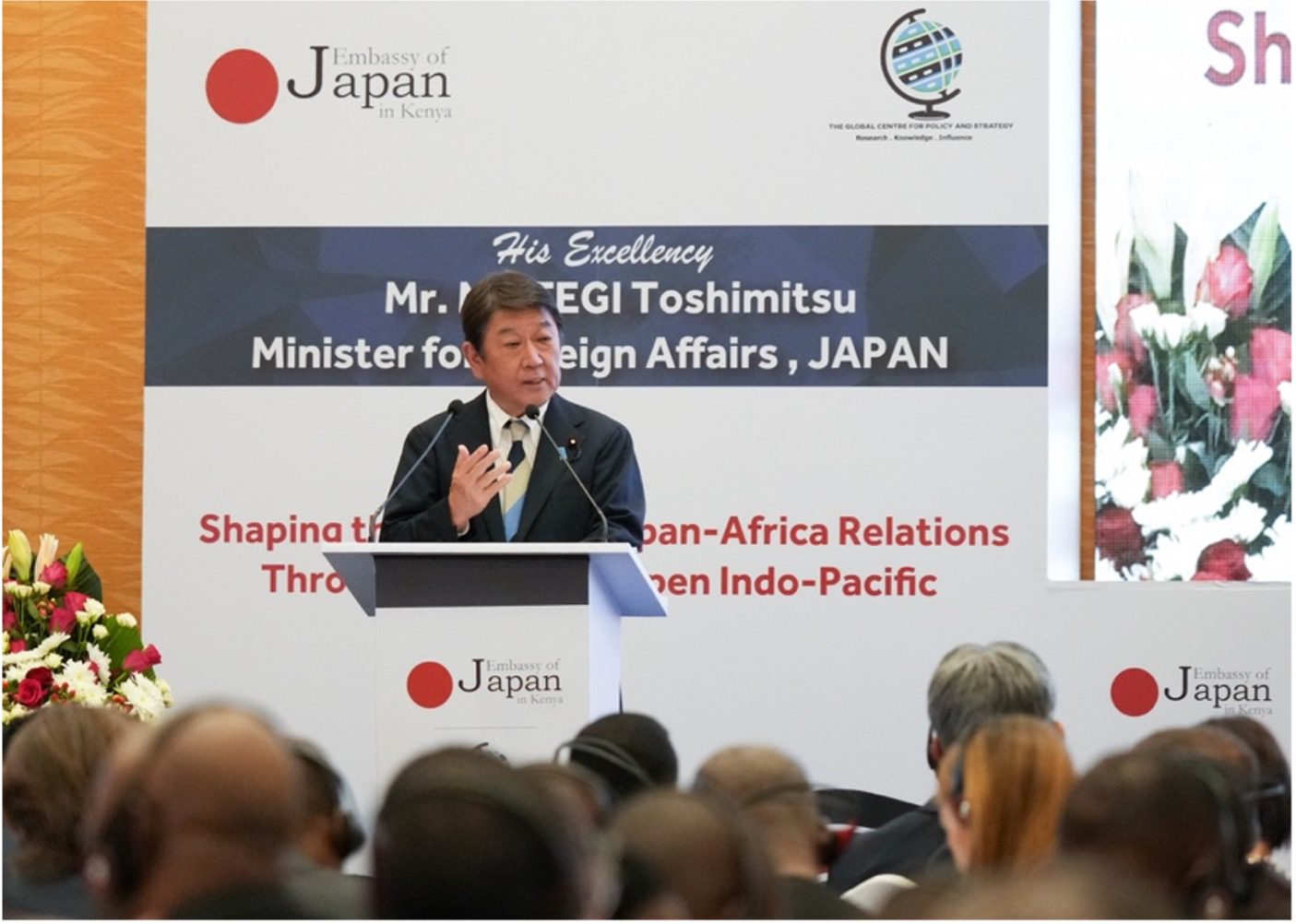
- Japan is deepening resource diplomacy across Africa as Tokyo seeks to diversify critical mineral and energy supply chains amid rising geopolitical competition, Middle East instability and concerns about excessive dependence on China-linked mineral processing. Foreign Minister Toshimitsu Motegi’s visit to Zambia, Angola, Kenya and South Africa in May highlights Africa’s growing role in Japan’s economic security strategy and signals Tokyo’s intent to move beyond traditional development cooperation toward more strategic resource, energy and industrial partnerships.
- Japan’s Africa engagement has long been anchored by the Tokyo International Conference on African Development (TICAD), official development assistance and cooperation with the private sector. That architecture is now being adapted to a more competitive era in which critical minerals, crude oil, hydrogen, logistics corridors and local value-addition policies are central to both African development strategies and Japanese national security. Min Aung Hlaing’s ascension to the presidency and the military’s domination of the new Cabinet suggest that this pattern will likely continue. Japan’s strategy represents a well-conceived response to Africa’s future growth aspirations. It emphasizes strengthening the African Continental Free Trade Area, building transport corridors that connect critical regions across the continent, reinforcing export hubs and expanding cooperation to develop Africa’s artificial intelligence capacities.
Significance
- Foreign Minister Motegi’s visit to Zambia, Angola, Kenya and South Africa signals a new phase of Japan’s Africa diplomacy. His itinerary connects three core elements of Japan’s economic security agenda: copper and cobalt supply chains in southern Central Africa, crude oil and critical mineral potential in Angola and regional diplomatic and industrial platforms in Kenya and South Africa. In Angola, Motegi expressed Japan’s aim to expand economic relations in critical minerals and energy, and both governments agreed to encourage the Japanese private sector’s participation in Angolan crude oil trading.Angola is emerging as an underappreciated partner for Japan because it combines crude oil, mineral potential and Atlantic-facing logistics. Angola will not replace Japan’s long-standing Middle East energy suppliers, but it can help Tokyo diversify procurement options at a time when hostilities in the Middle East are increasing the strategic value of alternative crude sources.
- Japan is increasingly treating African resources as part of its economic security architecture, not only as commercial opportunities. Japan has limited domestic energy and mineral resources and remains highly dependent on imports. Tokyo’s official policy materials emphasize supply chain resilience, diversification of energy and mineral sources and collaboration with Global South partners. This gives Africa new relevance in Japan’s strategic planning, particularly as copper, cobalt, nickel, lithium, rare earths, manganese and platinum group metals become more important for batteries, electric vehicles, grid infrastructure, hydrogen technologies and advanced manufacturing.
Implications
- The Japan Organization for Metals and Energy Security (JOGMEC) and METI are becoming central actors in Japan’s Africa resource diplomacy. In 2023, JOGMEC accompanied Nishimura on a visit to Namibia, Angola, the Democratic Republic of Congo, Zambia and Madagascar, signing agreements in Zambia, Namibia and the Democratic Republic of Congo to support critical mineral supply security. In 2025, METI State Minister Yuichiro Koga attended Mining Indaba in South Africa and held meetings with officials from the Democratic Republic of Congo, Zambia and South Africa on mineral exploration, satellite analysis, business environment issues and mining-sector cooperation.
- The short-term outlook is deeply problematic, though much will depend on what happens in the Middle East and global energy markets. China’s continued support for the government, along with indications that Thailand is moving in the same direction, are political positives for the government, but it is not clear that they will translate into greater investment.
- African capitals are gaining leverage as Japan, China, the United States, Europe, India and Gulf states compete for supply chains. The most consequential decisions will often be made not in Tokyo or Washington but in ministries of Mines, Energy, Finance, Industry, Environment and Trade across Luanda, Pretoria, Lusaka, Kinshasa, Windhoek, Nairobi and Abidjan. These governments are setting the rules for licensing, local content, processing, export controls, infrastructure access and foreign participation. For Japanese companies, regulatory intelligence in African capitals will become as important as traditional procurement strategy.
If you have any questions or comments, please reach out to BGA Japan Managing Director Kiyoaki Aburaki or BGA Kenya Managing Director Dickson Omondi.
Best regards,
BowerGroupAsia

×