















Myanmar’s Upcoming Elections Unlikely To Resolve Ongoing Conflict
BGA Senior Adviser Amb. Scot Marciel wrote an update to clients on Myanmar’s upcoming elections.
Context
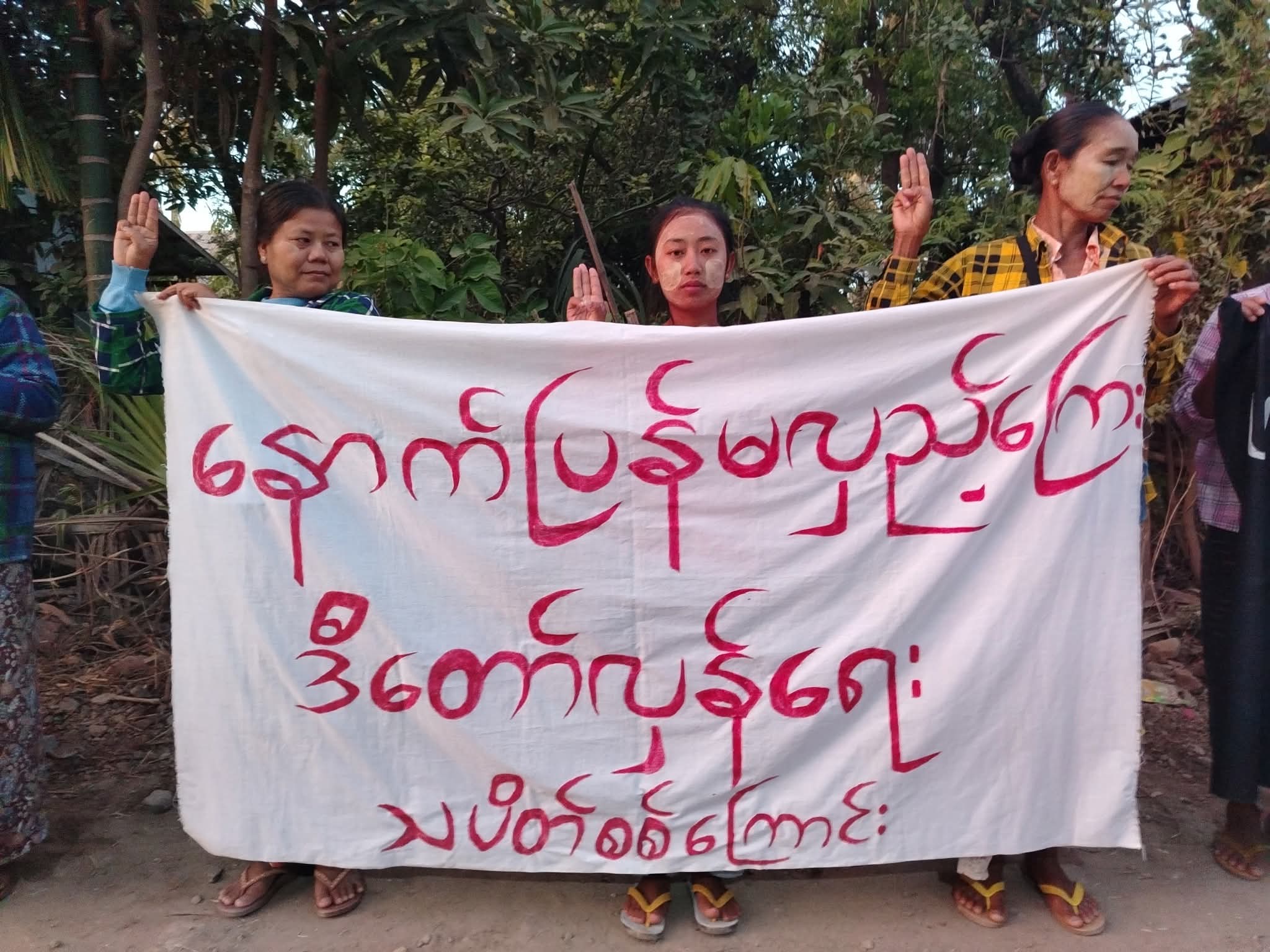
- Myanmar’s beleaguered military junta plans to hold national elections starting December 28. The generals, backed by China, hope the elections will give legitimacy to the government that emerges and offer a pathway out of the conflict that has engulfed the country since the February 2021 coup. The various groups that oppose the military, along with most international experts, insist the elections will not be credible and amount to nothing more than a thinly veiled effort to legitimize the military’s rule.
- The elections might spark increased violence and are unlikely to fundamentally change the dynamics — political division, intense conflict, widespread displacement and economic woes — within the country. But they could provide an opportunity for foreign governments that want to move on to declare “progress” and increase their engagement with the post-election government, with some hoping for a repeat of the surprising reforms produced by the Thein Sein government after flawed elections in 2010.
Significance
- The military’s decision to proceed with elections reflects a level of desperation after nearly four years of struggling unsuccessfully to end the resistance to the 2021 coup and gain international legitimacy. It also demonstrates a hope that actors inside and outside the country are exhausted enough to accept a far-from-perfect pathway to a new government that will at least superficially suggest change from the military junta. China’s support for the elections has further motivated the generals, who can ill afford to alienate their powerful neighbor.
- After nearly four years of conflict, a humanitarian and economic crisis and failed international diplomacy, there is no end in sight to the suffering, instability and uncertainty facing the country. The military is pitching its planned end-of-year elections as the best way forward. In anticipation of the polls, it recently ended the “state of emergency” and dissolved its State Administrative Council in favor of a State Security and Peace Commission, with a new cabinet.
Implications
- The elections almost certainly will proceed, with pro-military parties and the military itself likely to dominate the new Parliament. The elections are unlikely to change Myanmar’s domestic situation significantly, though they could allow some foreign governments to declare “good enough” and bolster engagement with the new government. Some are hoping for a repeat of the surprise reforms led by former Gen. Thein Sein after widely-criticized 2010 elections.
- There is a good chance of significant violence around the elections, as the resistance might step up attacks on election officials and the military.
- Pro-military parties, led by the Union Solidarity and Development Party, are likely to win a majority. Along with the military’s guaranteed 25 percent of seats, this will give pro-military elements an overwhelming majority in the new Parliament.
- The Parliament could well elect Sen. Gen. Min Aung Hlaing as president, assuring his continued political control and dominance of economic policy.
- The resistance will reject the election results and continue to fight.
- Barring a dramatic unforeseen development, the election will not significantly alter the political and conflict dynamics — or lead to improved economic management — in the country.
- Some foreign governments — China, Russia, Cambodia, Belarus and perhaps India — will welcome the elections as a step forward and step up their engagement with the new government.
- Others, led by the West, will reject the elections. ASEAN’s stance remains unclear. Somewhat surprisingly, Thai Foreign Minister Sihasak Phuangketkeow recently stated publicly that the elections would not be credible, though he subsequently visited Myanmar to talk with junta officials.
We will continue to keep you updated on developments in Myanmar as they occur. If you have any questions or comments, please contact BGA Senior Adviser Amb. Scot Marciel at smarciel@bowergroupasia.com.
Best regards,
BowerGroupAsia

×