
















Nepal’s New Government Drives Economic Reform and Expands Foreign Investment Access
BGA Senior Adviser Sujeev Shakya wrote an update to clients on Nepal’s new government and what it portends for the country’s economic and investment outlook.
Context
- Nepal’s voters delivered a political transformation at the ballot box March 5. The Rastriya Swatantra Party (RSP), led by Balendra Shah, 35, snared 182 seats in the 275-member lower house of Parliament, marking one of the most stunning elections in Nepal’s recent history. For the first time in 25 years, Nepal has a majority government that does not depend on coalition partners to govern.
- This political makeover began on the streets of Kathmandu last September when Gen Z-led protesters angered by widespread corruption, years of anemic growth and aging political leaders brought the country to a halt. About 76 people were killed, and Oli’s government collapsed.
Significance
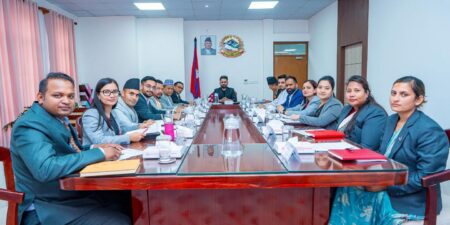
- The incoming government has a robust reform agenda and a can-do new prime minister with a Cabinet that includes many veteran technocrats. Nepal’s new ruling party is promoting increased economic growth and came into office with a priority list of legislative reforms that it will implement to boost economic development.
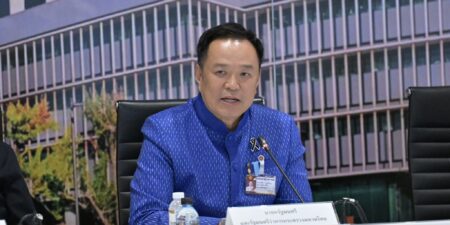
- The driving economic force in the new government is the High-Level Economic Reform Commission, chaired by former Finance Secretary Rameshwor Khanal. On his first day in office, Finance Minister Wagle announced that the government would abolish the Revenue Investigation Department and take steps to amend 15 existing laws that were recommended by the commission.
Implications
- Those laws, which include the Foreign Investment Prohibition Act, the Revenue Leakage Act, the Black Market and Social Offences Act and the Export-Import Control Act, are legacy laws that have long held back foreign investors. The commission recommended issuing a new Foreign Investment Act covering investment areas, limits, approval methods and regulatory procedures.
- Nepal is open for business. The ruling party’s near two-thirds parliamentary majority, finance minister with international credibility and legislative agenda targeting 15 investment-blocking laws portend well for an investor-friendly environment. For investors, Nepal is expected to be more open in the coming months than its predecessors have been in years.
We will continue to keep you updated on developments in Nepal as they occur. If you have any questions or comments, please contact BGA Senior Adviser Sujeev Shakya at sshakya@bowergroupasia.com.
Best regards,
BGA Nepal Team

×