















Philippine Senate Advances Duterte Impeachment as Flood Control Probe Widens
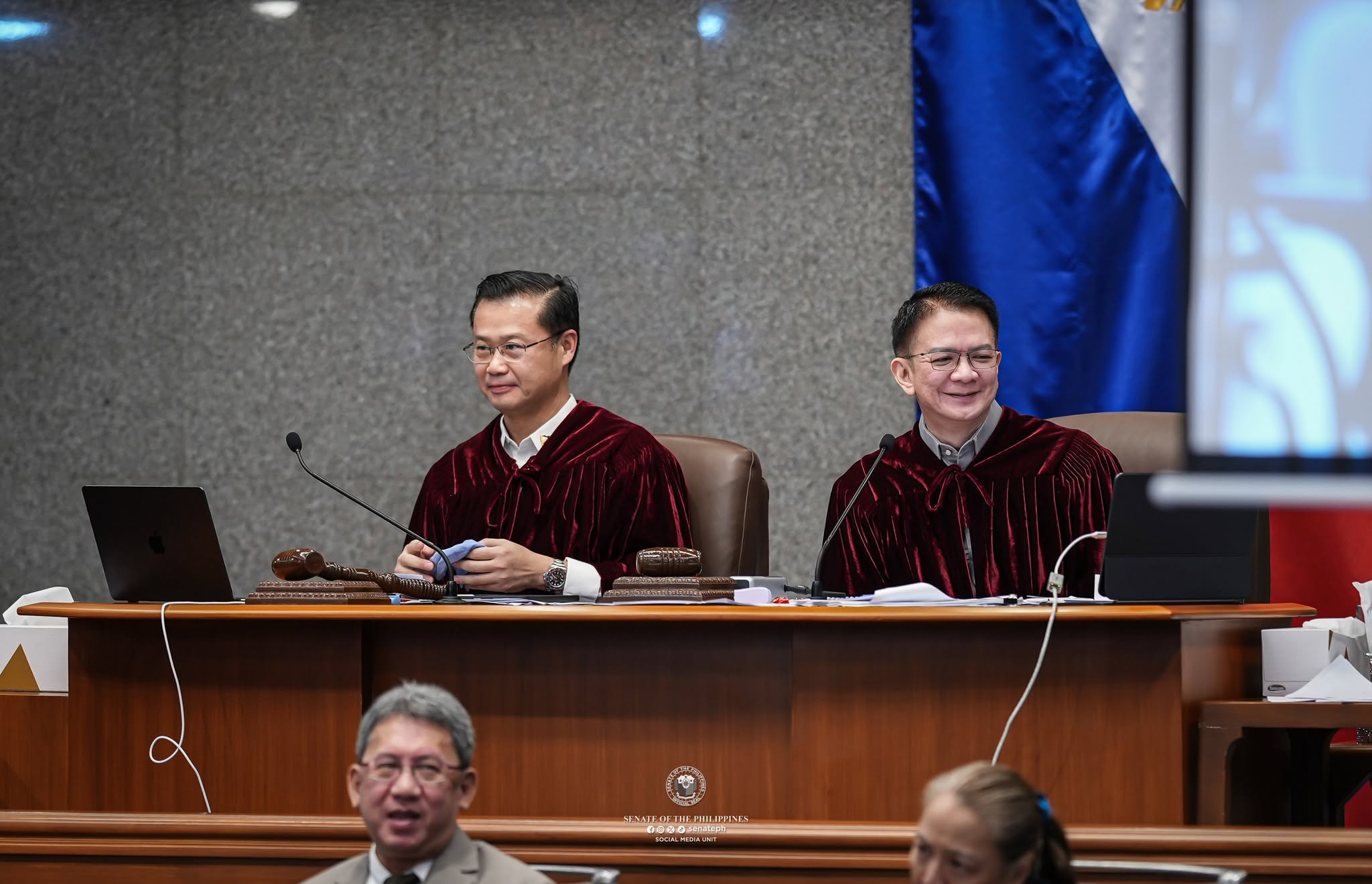
The BGA Philippines team, led by Managing Director Victor Andres Manhit, wrote an update to clients on Philippine Vice President Sara Duterte’s impeachment trial.
Context
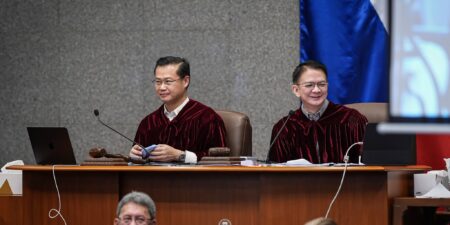
- The Philippine Senate impeachment court has finished 35 hearings as of October 8 related to the impeachment trial of Vice President Duterte. She is currently facing charges of betrayal of public trust, culpable violation of the constitution and graft for misusing PHP 612.5 million ($9.7 million) in confidential funds; failure to declare unexplained wealth in her statements of assets, liabilities and net worth and threatening to have President Ferdinand Marcos Jr., first lady Liza Araneta-Marcos and former House Speaker Martin Romualdez assassinated. The House prosecution recently announced that to expedite the trial, it would drop the fourth article of impeachment related to the alleged bribery of Department of Education officials.
- The Senate impeachment trial of Duterte officially began July 6, following her second impeachment by the House of Representatives in May. The articles of impeachment outline four sets of charges against her: Article I (misuse of confidential funds), Article II (unexplained wealth), Article III (bribery, graft and procurement irregularities) and Article IV (assassination plot, grave threats and inciting sedition).
Significance
- If Duterte is convicted by the Senate, it will reshape the Philippine political landscape. Her political supporters would likely need to find another ally to rally around and it could benefit a successor to Marcos in the 2028 campaign. If Duterte is acquitted, she could portray herself as a victim of a politically-motivated campaign which could help boost as a strong candidate. If the case against Duterte is not resolved before the elections, deep political polarization will likely continue for some time.
- These recent developments have brought greater scrutiny to government-business relationships, public sector transactions, procurement practices, corporate ownership structures and the financial interests of politically exposed persons. The impeachment proceedings have also placed questions around confidential funds; unexplained wealth; assets, liabilities and net worth; and corporate affiliations at the center of public and institutional scrutiny. Separately, the flood control investigations have expanded the focus to alleged kickbacks, irregular procurement, ghost projects and the role of contractors and intermediaries in government-funded infrastructure projects.
Implications
- Overall, companies operating in the Philippines should continue to factor political and regulatory developments into their market entry and expansion strategies, while maintaining strong due diligence and diversified stakeholder relationships. These measures can help businesses remain resilient as the political and regulatory environment evolves.
- Importantly, these developments do not fundamentally alter the Philippines’ broader investment structure. The market continues to offer opportunities across a range of sectors, while ongoing scrutiny may support efforts to strengthen institutional accountability and transparency. For investors, maintaining strong regulatory intelligence, stakeholder engagement and due diligence will remain important.
We will continue to keep you updated on developments in the Philippines as they occur. If you have any questions or comments, please contact BGA Philippines Managing Director Victor Andres Manhit at vmanhit@bowergroupasia.com.
Best regards,
BGA Philippines Team

×