


















Trump’s Iran Gamble and Longer-Term Indo-Pacific Repercussions
BGA Senior Adviser Dr. Thitinan Pongsudhirak prepared an update for clients on the implications of the U.S.-Israel military campaign against Iran and its potential impact on the Indo-Pacific strategic landscape.
Context
- The United States and Israel have launched a joint military campaign against Iran, escalating tensions across the Middle East. The conflict follows a series of aggressive foreign policy moves by the second Trump administration, including the capture of Venezuelan President Nicolas Maduro and the killing of Iranian Supreme Leader Ali Khamenei. The campaign appears aimed at weakening or toppling Iran’s theocratic regime but risks overstretching U.S. military and geopolitical resources.
- The conflict is unfolding as Washington’s strategic doctrine prioritizes homeland securitization and Western Hemisphere dominance. These priorities, outlined in the National Security Strategy 2025 and National Defense Strategy 2026, suggest a potential reduction of U.S. strategic bandwidth in the Indo-Pacific as resources and attention are redirected toward conflicts in the Middle East and the Americas.
Significance
- The war could weaken the United States’ strategic position in the Indo-Pacific by diverting resources and eroding its perceived moral leadership. As U.S. foreign policy under the second Trump administration increasingly emphasizes unilateral interests backed by military power rather than shared values with allies, Washington may lose some of its traditional geopolitical appeal relative to China.
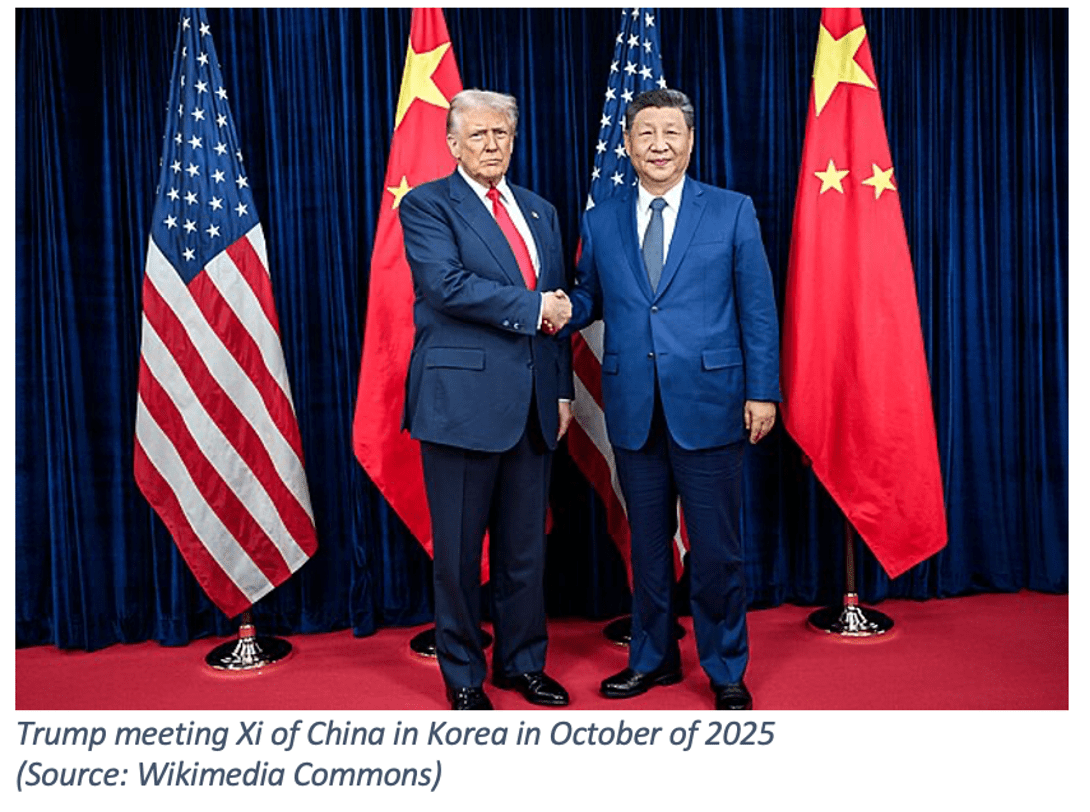
- China is likely to benefit from the shifting strategic environment by expanding influence in Southeast Asia and other nearby regions. Beijing may use the opportunity to strengthen ties with governments across mainland Southeast Asia while maintaining cautious diplomatic responses to U.S. actions in Iran and Venezuela, particularly as it prepares for upcoming leadership engagement with Washington.
Implications
- Companies can expect greater geopolitical uncertainty across the Indo-Pacific as U.S. strategic attention shifts and regional perceptions of American reliability weaken. Countries in Southeast Asia, particularly Muslim-majority states such as Indonesia and Malaysia, may respond negatively to the war against Iran, potentially accelerating closer economic and political engagement with China.
- Businesses should watch for increased geopolitical risk and shifting regional alignments that could affect trade, investment, and supply chains. As military power becomes a more prominent driver of global politics and markets react to ongoing conflicts, firms may need to reassess short, medium and long-term exposure to geopolitical volatility and identify stable markets and lower-risk investment environments.
We will continue to keep you updated on developments in the Indo-Pacific as they occur. If you have any comments or questions, please contact BGA Senior Adviser Dr. Thitinan Pongsudhirak at thitinan@bowergroupasia.com.
Best regards,
BowerGroupAsia

×