


















US‑India Trade Deal Signals Potential Reset in Bilateral Relations Amid Ongoing Risks
The BGA India team, led by Managing Director Anuj Gupta, wrote an update on the U.S.-India trade agreement.
Context
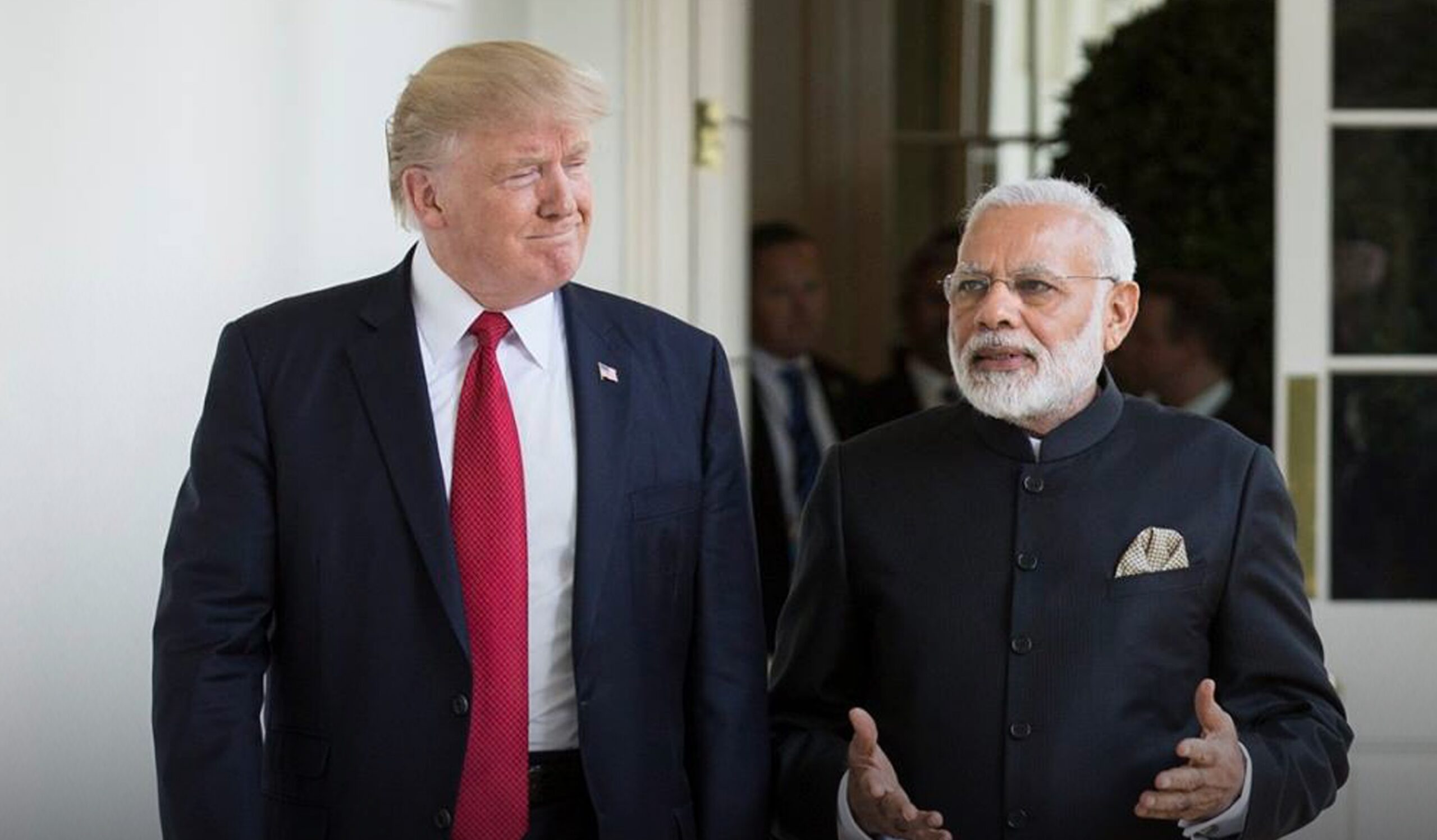
- U.S. President Donald Trump and Indian Prime Minister Narendra Modi announced a landmark trade deal on social media between the United States and India February 2. The deal represents a major recalibration in bilateral relations, decreasing tariff tensions and signaling potential political alignment between the world’s two largest democracies.
- The agreement positions India as the lowest-tariffed country in South and Southeast Asia, except Singapore, after Trump’s announcement that he would reduce U.S. tariffs on Indian goods from a high 50 percent to 18 percent, including eliminating the 25 percent tariffs linked to India’s Russian oil purchases. The agreement makes India’s exports to the United States across pharmaceuticals, engineering goods, textiles, chemicals and multiple other labor-intensive sectors competitive again while strengthening India’s position as a stable manufacturing alternative for companies looking at a “China-plus-one” strategy.
- On the other hand, India’s reciprocal commitment to reduce its own tariffs and nontariff barriers to zero opens substantial opportunities for U.S. businesses across multiple areas. India’s pledge to “buy American” worth more than $500 billion will unleash newer market entry and expansion opportunities for U.S. energy, technology, agricultural and other companies. The deal also marks a significant realignment of global energy and security interests, with India sourcing more energy from the United States and potentially Venezuela alongside increased U.S. military sales to India.
Significance
- The U.S. agreement strengthens India’s new trade paradigm of becoming a reliable and long-term supply chain partner to the West while providing for greater market access, particularly when seen in tandem with India’s recently concluded free trade agreements with the European Union, United Kingdom and other high-income economies such as the European Free Trade Association, Australia, New Zealand and the United Arab Emirates (see BGA’s updates on India’s trade deals with the European Union, New Zealand, the European Free Trade Association and the United Kingdom).
- This agreement opens markets in India in which BGA is already active in India, including technology, energy, financial services, agriculture and pharmaceuticals. BGA also sees that companies looking to diversify their supply chains are likely to benefit from the emerging India opportunities.
If you have questions or comments, please contact BGA India Managing Director Anuj Gupta at agupta@bowergroupasia.com.
Best regards,
BGA India Team

×