

















Malaysia’s Second Cabinet Reshuffle Balances Performance Delivery and Political Loyalty
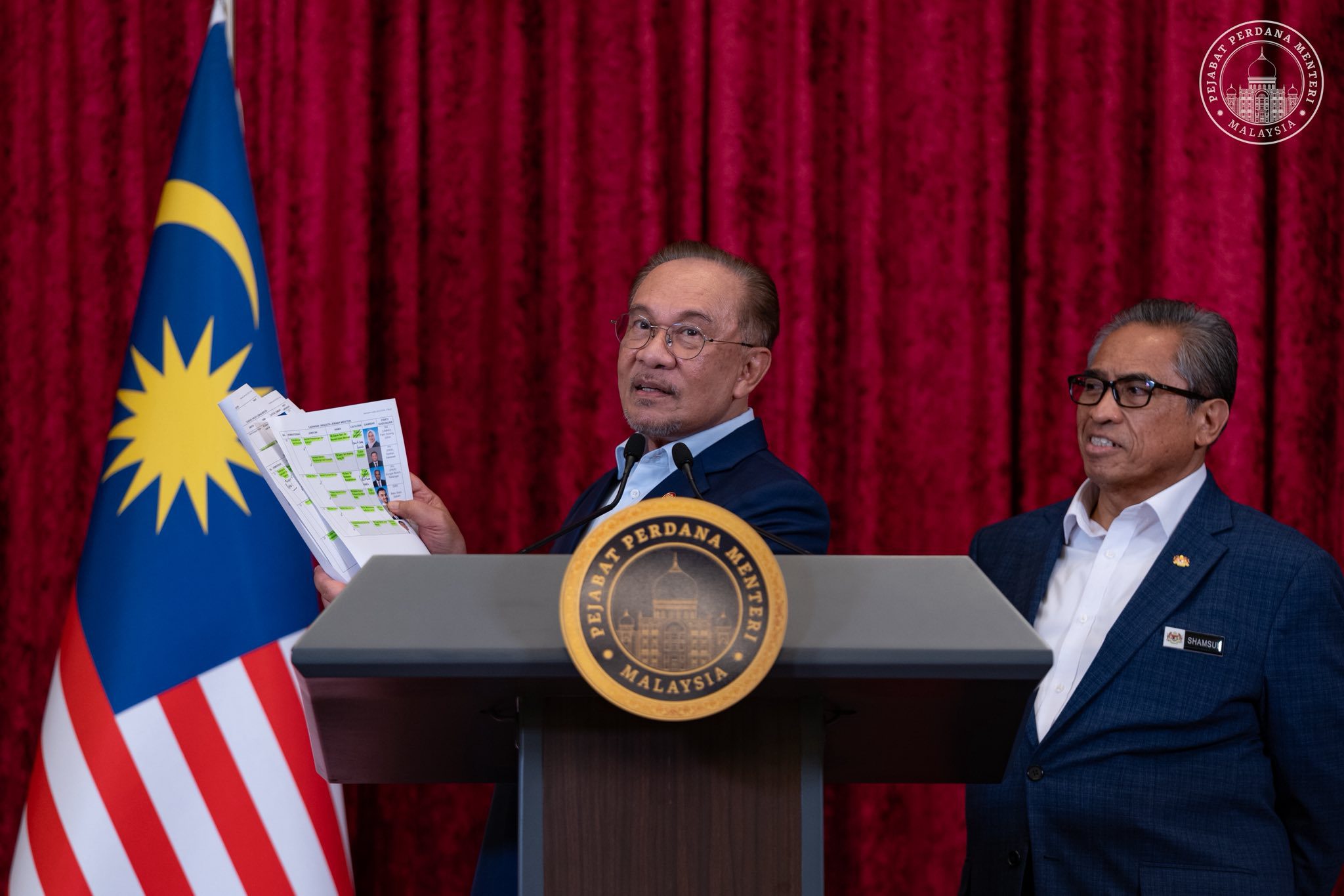
The BGA Malaysia team, led by Deputy Managing Director Sadiq Nor Azlan, wrote an update on Prime Minister Anwar Ibrahim’s second Cabinet reshuffle.
Context
- Malaysian Prime Minister Anwar Ibrahim announced a second Cabinet reshuffle December 16, three years into the current parliamentary term and following an earlier reshuffle in December 2023. The reshuffle was preceded by a string of resignations over the past few months and the expiration of Investment, Trade and Industry Minister Tengku Zafrul Tengku Abdul Aziz’s Senate term. Anwar’s announcement comes just two weeks after the Sabah state election, in which his Pakatan Harapan (PH) coalition fared poorly, winning just one seat from the 22 contested.
- The Cabinet reshuffle resulted in significant changes to the existing lineup of ministers and their respective deputies, contradicting Anwar’s earlier hints of a “small reshuffle.” Anwar was quoted saying that the reshuffle was ordered to address vacancies in the Cabinet and the need to tweak the lineup to support the broader agenda of delivering better economic outcomes and addressing key national issues.
Significance
- This shake-up emphasizes the importance of performance delivery across the board as part of Anwar’s campaign for reelection with just over two years left in the current term. Reeling from fresh losses in Sabah, Anwar will need to craft a compelling narrative for his upcoming campaign to secure a second term as prime minister. The appointment of enablers within the Cabinet ranks is seen as an attempt to improve the government’s capacity to deliver meaningful results that can later be used to embolden Anwar’s reelection campaign.
- Anwar stuck to his existing formula for the distribution of Cabinet positions, based on loyalty and party seniority. The lineup preserves seniority-based representation within the unity government while rewarding loyalty by retaining embattled ministers and elevating close allies. It also sidelines the old guard from PH’s component party, the Democratic Action Party, in favor of its younger leaders, with Sabah appointments unlikely to alter internal Cabinet dynamics despite shifting state-level politics.
Implications
- The Cabinet reshuffle resulted in three portfolio changes and seven new ministerial appointments, with 16 deputy ministerial roles also seeing changes. Two ministers were also dropped. The reshuffle was largely driven by vacancies in four key ministries — Economy; Investment, Trade and Industry; Natural Resources and Environmental Sustainability; and Entrepreneur and Cooperatives Development — following resignations and expired terms.
- The reshuffle comes at a time when Anwar’s popularity is diminished, with him desperate to regain momentum in the run-up to the next general election.
We will continue to keep you updated on developments in Malaysia as they occur. If you have any questions or comments, please contact BGA Malaysia Deputy Managing Director Sadiq Nor Azlan at msadiq@bowergroupasia.com.
Best regards,
BGA Malaysia Team

×