















Philippines Takes on ASEAN Chair in 2026
BGA Philippines Managing Director Victor Andres Manhit and BGA Managing Director for Global Trade and Economics Nydia Ngiow wrote an update on the Philippines’ 2026 chairmanship of the Association of Southeast Asian Nations (ASEAN).
Context
- The Philippines is set to chair ASEAN in 2026. With a population of nearly 700 million and the world’s fifth-largest economy, ASEAN stands at a pivotal moment marked by vast opportunities alongside evolving global challenges. By 2030, the region is projected to become the world’s fourth-largest economy.
- Centered on the theme “Navigating Our Future, Together,” the Philippines’ role as chair underscores its commitment to guide the region toward greater resilience, deeper connection and meaningful change that places people at the heart of progress. This year also coincides with the 50th anniversary of the Treaty of Amity and Cooperation in Southeast Asia, which enshrines the shared principles of peaceful coexistence and friendly cooperation among Southeast Asian states.
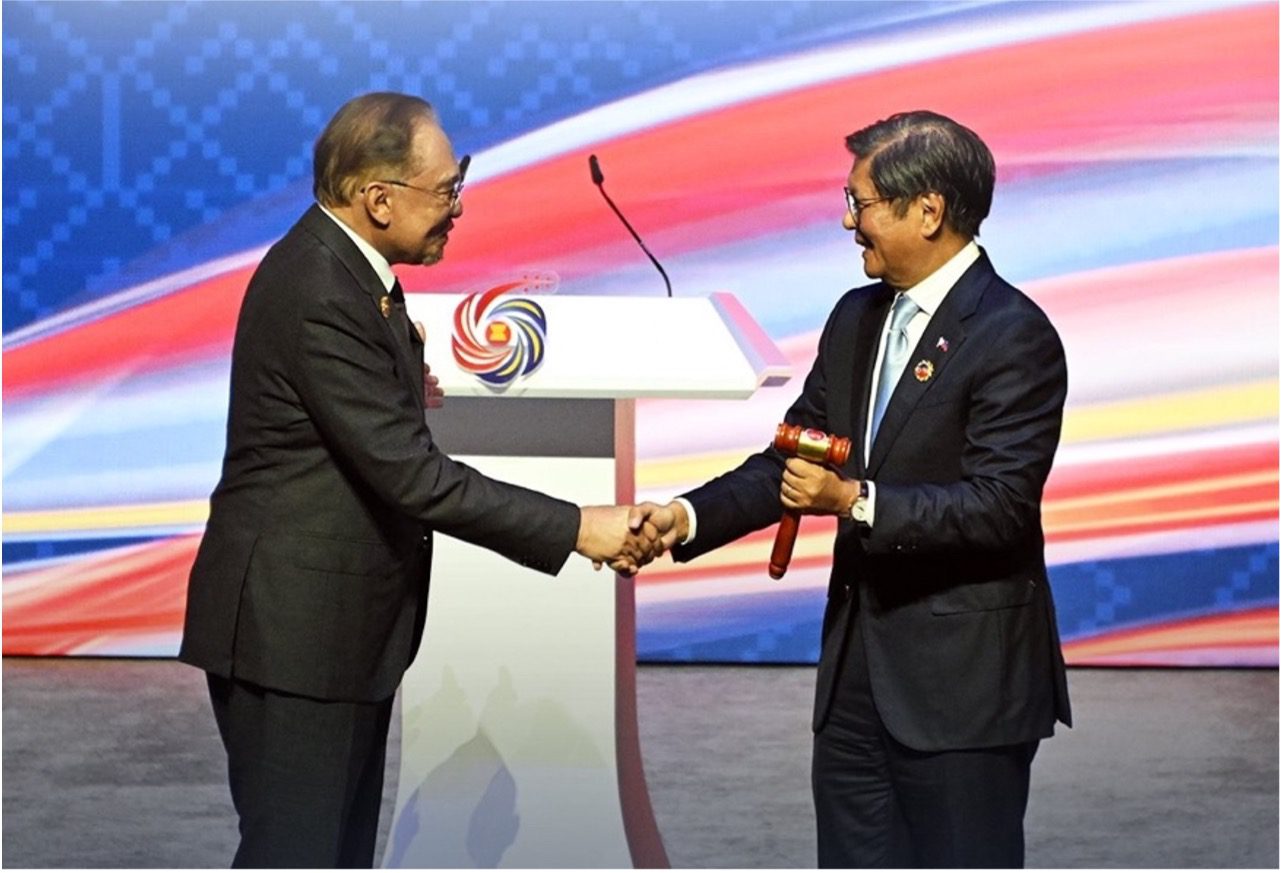
- At the handover of the ASEAN baton during the closing ceremony of the ASEAN summit in Kuala Lumpur in November, Philippines President Ferdinand Marcos Jr. said the Philippines was honored to lead ASEAN toward a more stable, secure and inclusive future. This presents an opportunity for Manila to strengthen its role in driving regional economic growth, attract greater investment, deepen regional integration and generate quality jobs while expanding opportunities for businesses across the region.
- ASEAN faces some major challenges in 2026, including navigating great power competition between China and the United States, internal security crises such clashes on the Cambodia-Thai border and the ongoing conflict in Myanmar. ASEAN will need to find ways to boost economic resilience amid dramatic global trade and supply chain shifts prompted in part by U.S. tariffs and address the serious impact of climate change. Manila’s year in the ASEAN chair will test the grouping’s ability to address tensions in the South China Sea, particularly between China and the Philippines, and figure out how to handle the current military-run elections in Myanamar, which the junta’s largest backer in Beijing is likely to accept.
Significance
- The Philippines’ chair year will be anchored on three strategic priorities. Serving as a guide to ASEAN’s work across its political-security, economic and socio-cultural pillars, these priorities aim to strengthen regional security, promote economic integration and support human development:
- Peace and Security Anchors: Championing peace and regional stability through dialogue, adherence to international law and strengthened cooperation on emerging and non-traditional security threats.
- Prosperity Corridors: Building systemic connections towards a shared prosperity through economic integration, digital transformation and inclusive and sustainable development that benefits aII ASEAN people.
- People Empowerment: Empowering ASEAN’s people by fostering social inclusion, protecting vulnerable groups and promoting a sense of shared identity and community.
- In November, Department of Foreign Affairs (DFA) Secretary Maria Theresa Lazaro, together with Department of Trade and Industry (DTI) Secretary Maria Cristina Roque and Department of Social Welfare and Development Undersecretary Adonis Sulit briefed the diplomatic corps on the Philippines priorities for ASEAN in 2026.
- Political-Security Community:Lazaro emphasized the Philippines’ commitment to upholding peace and stability through norms and dialogue, enhancing resilience against emerging security challenges including climate-related risks and strengthening maritime cooperation anchored in international law and “ASEAN centrality.”
- Economic Community: Roque outlined key deliverables aimed at strengthening trade and investment linkages, accelerating digital transformation, advancing the development of micro, small and medium enterprises (MSMEs), leveraging the creative economy and promoting sustainable and inclusive economic growth.
- Socio-Cultural Pillar: Sulit said the priorities of this pillar would include empowering families and vulnerable sectors; strengthening regional public health cooperation; promoting youth innovation and digital literacy, including the ethical use of artificial intelligence (AI); and enhancing food security and climate resilience.
Implications
- A key cross-cutting priority of the chair is the responsible, people-centered use of AI. In the security domain, AI is envisioned to strengthen early warning systems, maritime domain awareness and humanitarian assistance and disaster response. Economically, it will support digital trade, innovation and competitiveness, particularly for MSMEs. In the socio-cultural sphere, AI will be used to advance health care — including the continued work on establishing regional guidelines for the use of AI in medical diagnostics as part of ASEAN’s broader digital health initiatives — and education as well as initiatives benefiting the youth and older populations.
- Roque noted that the Philippines’ ASEAN chair could serve as a platform for a major business-matching initiative convening government officials and business leaders to explore opportunities for collaboration. The DTI will encourage ASEAN member states to bring business delegations to the Philippines to explore investment and expansion opportunities. Priority sectors include renewable energy, minerals and semiconductors. The DTI also plans to highlight the creative economy, women-led enterprises, MSMEs and initiatives related to digitalization and artificial intelligence.
- The DTI will lead seven of the 18 priority economic deliverables for the ASEAN Summit. This includes the targeted completion of negotiations for the Digital Economy Framework Agreement (DEFA) in the first quarter of 2026, which would then pave the way for a signing in November. It also includes the targeted completion of negotiations of the ASEAN-Canada free trade agreement, which was launched in 2021 and would be ASEAN’s first such agreement with a North American country.
We will continue to keep you updated on developments in ASEAN as they occur. If you have any questions or comments, please contact BGA Philippines Managing Director Victor Andres Manhit at vmanhit@bowergroupasia.com or Managing Director for Global Trade and Economics Nydia Ngiow at nngiow@bowergroupasia.com.
Best regards,
BGA Philippines Team

×