


















China-US Summit Diplomacy Advances Despite Growing Technology Friction
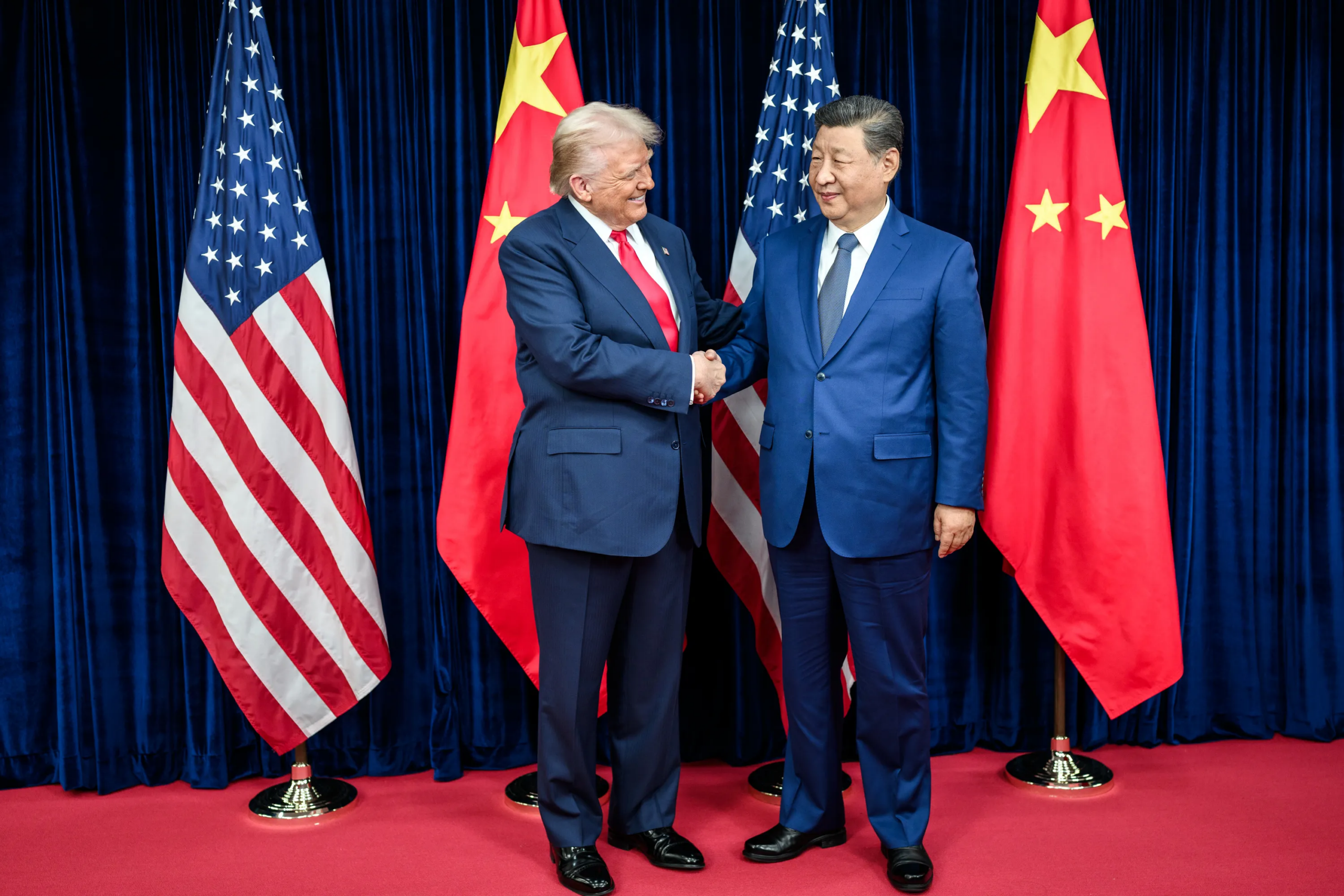
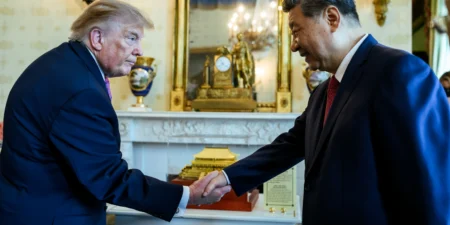
BGA China Adviser Eric Wang and Director Sam Overholt prepared an update for clients on the growing U.S.-China relationship ahead of President Xi Jinping’s visit to the United States.
Context
- China and the United States are simultaneously advancing trade engagement while experiencing deeper friction across technology and security issues ahead of President Xi Jinping’s September 24 state visit to Washington. Washington allowed a new 12.5 percent Section 301 forced-labor tariff on Chinese goods to take effect, while Beijing chose not to retaliate with tariffs and instead continued discussions on potential summit deliverables. At the same time, the United States expanded restrictions on Chinese AI models, robotics and entities linked to forced labor concerns, prompting Beijing’s first substantive countermeasures since the May summit.
- Diplomatic efforts are focused on producing tangible outcomes ahead of the September summit. Senior officials from both countries have intensified engagement through consultations on trade and economic issues, including discussions involving Treasury Secretary Scott Bessent, USTR Jamieson Greer and Vice Premier He Lifeng. The most likely deliverable is the proposed Board of Trade, a roughly $30 billion agreement covering matched purchases of non-sensitive goods.
Significance
- The current trajectory reflects a relationship that is stabilizing on trade while continuing to deteriorate in strategic sectors. Beijing’s decision not to retaliate against the latest U.S. tariffs suggests a willingness to preserve diplomatic momentum ahead of the summit, even as both sides increase restrictions in areas such as AI, robotics, critical minerals and advanced manufacturing. This reinforces a pattern in which economic engagement and strategic competition proceed simultaneously rather than replacing one another.
- Technology and industrial competition have emerged as the principal source of bilateral tension. U.S. measures targeting Chinese AI firms, robotics imports and more than 40 Chinese entities were met by Chinese export controls on drones and related technologies, new sanctions and national security reviews. These actions underscore that neither side is prepared to compromise on technological leadership, even as both seek to manage broader economic risks.
Implications
- Businesses should view any September summit outcomes as mechanisms for managing risk rather than resetting the relationship. Even if agreements are reached on trade or investment cooperation, restrictions affecting technology, market access and supply chains are likely to continue evolving independently. Companies exposed to advanced manufacturing, AI, robotics, semiconductors, drones and critical minerals will remain the most affected by regulatory uncertainty.
- Firms should prepare for a prolonged period of alternating cooperation and confrontation between the two economies. Trade-related opportunities, including potential agreements and continued market access in selected sectors, may coexist with sanctions, export controls and entity-list actions. Businesses will need to strengthen compliance monitoring, diversify supply chains and build contingency plans to navigate an environment in which commercial openings and geopolitical restrictions continue to emerge simultaneously.
If you have questions or comments, please contact BGA China Adviser Eric Wang at ewang@bowergroupasia.com or Director Sam Overholt at soverholt@bowergroupasia.com.
Best regards,
BGA China Team

×