















Nigeria’s 2027 Elections Place Reform Momentum and Business Certainty in Focus
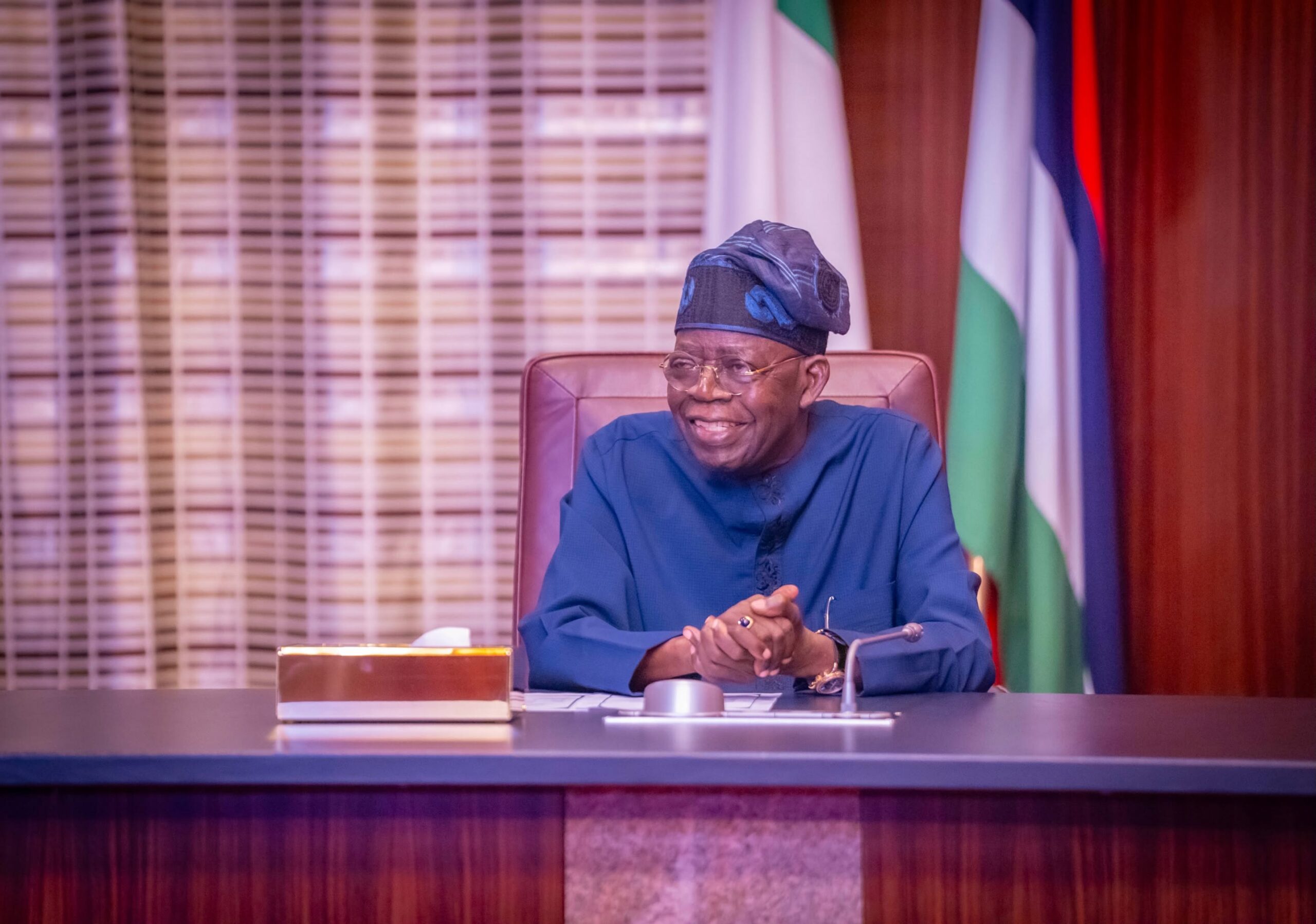
BGA Nigeria Adviser Ajibola Kolajo wrote an update to clients on Nigeria’s 2027 elections.
Context
- Nigeria will hold its next presidential and National Assembly elections January 16, 2027, with polling for governors and state assemblies taking place February 6. The Independent National Electoral Commission (INEC) has announced 18 presidential candidates, although three tickets are expected to define the presidential contest.
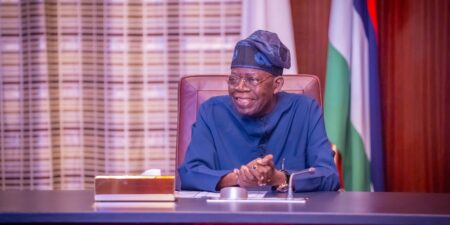
- Incumbent President Bola Tinubu and his running mate, Kashim Shettima, will seek a second and final term in office on the All Progressives Congress party ticket. Former Vice President Atiku Abubakar and former Transport Minister Rotimi Amaechi will contest on the African Democratic Congress ticket. A perennial presidential contender, Atiku is reportedly making his final attempt. Former Anambra State Governor Peter Obi, who placed third in the last presidential election, will run on the Nigeria Democratic Congress ticket with Rabiu Kwankwaso as his running mate.
Significance
- A three-way vote split across these major tickets is projected to favor the incumbent, while also creating, for the first time, the possibility of a run-off election. If Tinubu is reelected, there will be continuity in major policy direction, including on tax, fiscal reforms and foreign exchange. However, businesses and investors should consider possible administrative risks and delays as the election process unfolds from January through late May, the deadline for resolving any arising election petitions. Businesses are therefore advised to plan substantive regulatory activities before mid-December 2026 and after June 2027, when the election period is expected to end.
- Economic issues are expected to dominate campaign platforms and messaging. Tinubu’s campaign is likely to emphasize his administration’s progress in stabilizing the economy. Following a turbulent period of economic uncertainty marked by foreign exchange shortages and currency depreciation, tighter monetary policy has contributed to local currency appreciation and stabilization, alongside stronger foreign exchange reserves that have reached their highest levels (surpassing $53 billion) in over 17 years.
- The opposition will likely campaign on commodity price levels rather than the inflation rate, which is the more relevant indicator for voters. Petrol prices and energy costs remain the sharpest lines of attack. Abubakar has proposed a model incentivizing domestic refining and local crude supply as an alternative to the current post-subsidy arrangement. Policy direction nonetheless looks more continuous than the rhetoric implies. Obi has publicly committed to retaining the floating exchange rate, and none of the three leading candidates has proposed reversing foreign exchange liberalization or the tax reform architecture. The realistic divergence is over fuel pricing and refining policy and the pace, rather than the direction, of fiscal consolidation.
Implications
- Several electoral outcomes are possible, each with its own implications for the business environment:
- If Tinubu is reelected and the results are declared within the statutory window, policy continuity is expected on the floating exchange rate, tax reform consolidation, oil output expansion and the manufacturing and technology agenda. In this scenario, stakeholders should expect a cabinet reshuffle in the second half of 2027. The business impact would be confined to the administrative pause around the polls.
- If Tinubu wins with a narrow margin and the result is contested, Nigeria’s policy direction will likely be unchanged, but stakeholders should expect delayed government decisions and possible foreign exchange volatility. However, due to timelines imposed by the Electoral Act, disruptions would be short-lived, and the outlook for transaction economics would remain positive.
- A run-off situation or opposition win would have different implications for business. A run-off would extend uncertainty by several weeks with no operational precedent. On the other hand, a win for Abubakar would lead to policy changes on fuel pricing and oil refining. A win for Obi would signal continuity on managing foreign exchange alongside tighter fiscal discipline. Any scenario in which the opposition emerges victorious would lead to a new economic team and a six-to-12-month period of regulatory delays and uncertainty.
We will continue to keep you updated on developments in Nigeria. If you have any comments or questions, please contact BGA Nigeria Adviser Ajibola Kolajo at akolajo@bowergroupasia.com and BGA Managing Director Dickson Omondi at domondi@bowergroupasia.com.
Best regards,
BGA Nigeria Team

×