
















Coalition Politics in Thailand’s Censure Debate
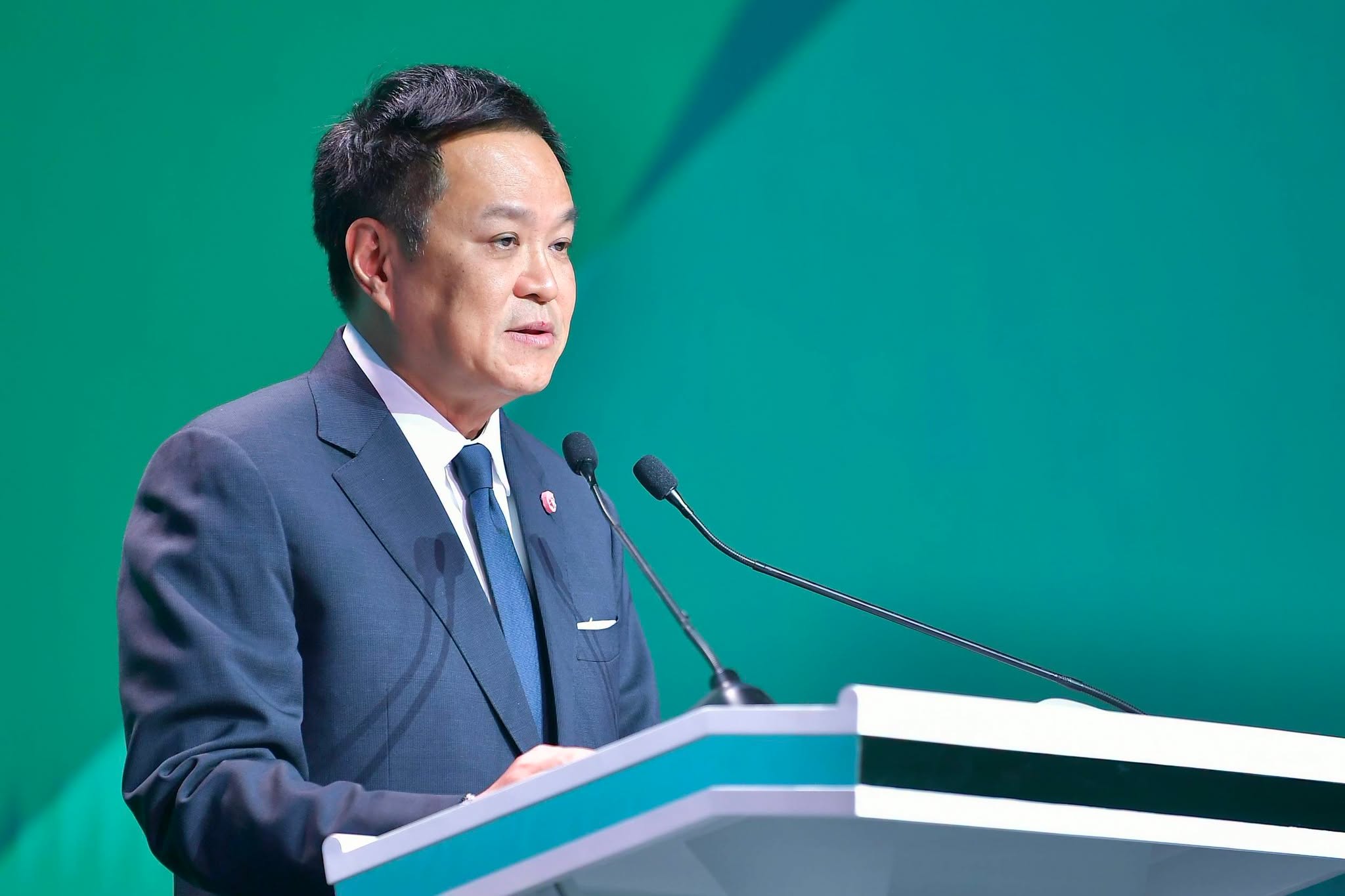
BGA Senior Adviser Dr. Thitinan Pongsudhirak wrote an update to clients on Thailand’s upcoming censure debate.
Context
- Thailand’s opposition will have its say in Parliament when a no-confidence debate opens later this week against Prime Minister Anutin Charnvirakul and 17 Bhumjaithai Party ministers. Yet the outcome is not in doubt. Commanding close to 300 of the House’s 500 seats and enjoying the backing of the conservative establishment, the Bhumjaithai-led coalition will carry the vote comfortably. At issue is not its parliamentary arithmetic but its performance. Seven months into its term, the government has more corruption scandals to answer for than policy results to show. In effect, the debate will put that imbalance on public display.
- Over two decades, parties that won elections without the establishment’s blessing have been weakened or disbanded through military coups, court rulings and interventions by supervisory agencies, from Thai Rak Thai and People’s Power to Future Forward and Move Forward. The People’s Party, successor to Move Forward and a distant second in February, now leads an opposition bloc, which signed the censure motion. Its leader, Natthaphong Ruengpanyawut, casts the government as a “blue regime” extending its reach into the Senate and independent agencies. The charge resonates with reformist voters, but it cannot overcome the numbers. Bhumjaithai’s ascendancy owes as much to the systematic hobbling of its rivals as to its own campaign machinery.
Significance
- The debate’s real significance lies in what it will likely expose. The opposition’s case ranges from alleged collusion in the 2024 Senate selection and a bribery-for-exam-results racket in local administration under the Interior Ministry, which Anutin himself heads, to state-land encroachment at Khao Kradong, a contentious AI procurement scheme, online gambling and gray money. The motion also faults the government’s response to this season’s floods, which have claimed at least 31 lives, the one charge that points to competence and not just graft. These allegations vary. Some focus on individual ministers and can be addressed by dropping them from the Cabinet. Others, notably the Senate and exam cases, are systemic, implicating networks of officials and politicians as well as the integrity of institutions. No change of personnel can remedy those. Whatever the tally, the final outcome will further erode the government’s legitimacy.
- To be sure, a post-censure reshuffle is not uncommon in Thai politics. No government has ever been toppled by a no-confidence vote, but premiers have often used the aftermath to get rid of liabilities, placate public opinion and signal a measure of accountability. Prayut Chan-o-cha, who led the 2014 coup and was elected to office in 2019 after a military-backed constitution was adopted in 2017, dismissed two deputy ministers, Thamanat among them, after a 2021 censure debate. A similar move may follow this time.
- But this Cabinet was assembled on vested interests rather than merit. Its scandal-tainted members are tied to powerful patronage networks, so any changes must be bargained with Bhumjaithai’s powerbroker, Newin Chidchob, and allied families. A reshuffle would therefore be less about rewarding competence than about dividing up the cake.
Implications
- For businesses, three implications stand out. First, the government is durable because it still has firm establishment backing. Having weathered mounting graft allegations and policy drift at mid-year, Anutin now enjoys a House majority, establishment support and partners too dependent to rebel. His government has become Teflon-like. Neither coalition collapse nor an early election is the base case, and continuity on tax, trade negotiations and investment promotion is likely.
- Second, durability will need performance. An administration insulated from accountability has little incentive to perform. Growth below potential, heavy household debt, eroding competitiveness and a shrinking workforce call for sustained reforms that a coalition preoccupied with deal-making, procurement and patronage is ill-equipped to undertake. The few technocrats in government, such as Deputy Prime Minister and Finance Minister Ekniti Nitithanprapas, steer the macroeconomic and trade agendas, while party bosses run the line ministries where licensing and contracting decisions are made. Firms engaging those portfolios should expect opaque and shady processes and price in governance risk.
- Third, clients should watch the margins individual ministers receive in the expected vote later this week as a gauge of coalition sentiment, including any legal follow-up by the National Anti-Corruption Commission and other agencies on opposition disclosures and Kla Tham’s posture and potential entry. This will help shed light on any ensuing reshuffle. Anutin will carry the House vote without regaining public trust. That gap between staying in power and governing effectively is the risk that matters most for Thailand’s economic outlook.
We will continue to keep clients abreast of political developments in Thailand. If you have comments or questions, please contact BGA Senior Adviser Thitinan Pongsudhirak at thitinan@bowergroupasia.com or BGA Thailand Managing Director Teerasak “Art” Siripant at tsiripant@bowergroupasia.com.
Best regards,
BGA Thailand Team

×