
















Rubio’s India Visit Puts Energy at Center of India-US Trade Push
BGA India Managing Director Anuj Gupta wrote a client update on U.S. Secretary of State Marco Rubio’s recent visit to India.
Context
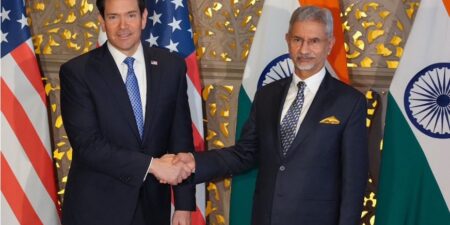
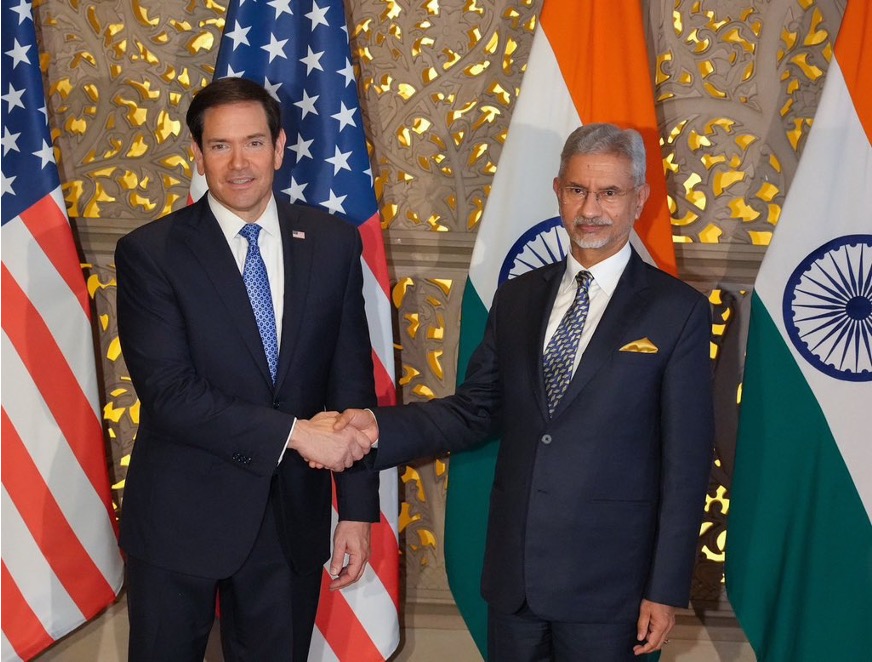
- U.S. Secretary of State Marco Rubio’s two-day visit to India from October 20-21, his second in five months, signaled a shift toward a more commercially driven phase in bilateral ties. Meetings were held in Mumbai and Jamnagar, Gujarat, with discussions focused across trade, energy security, defense, critical and emerging technologies and investment.
- Key highlights included talks with External Affairs Minister S. Jaishankar under the Comprehensive Global Strategic Partnership and an India-U.S.-United Arab Emirates trilateral meeting on regional energy security. Both sides welcomed progress on the India-U.S. bilateral trade agreement and reaffirmed their commitment to its early conclusion. Rubio indicated that a trade agreement could be expected “in a matter of weeks, not months,” with only technical details outstanding.
Significance
- Rubio’s visit to Reliance Industries’ Jamnagar refinery, the world’s largest single-site refining complex, alongside meetings with the leadership of the Adani Group and Tata Group, underscored Washington’s direct engagement with India’s largest business groups. Discussions focused on refining of Venezuelan crude, energy and digital infrastructure and partnerships with U.S. companies across conventional and new energy.
- The visit carried significant signals of partnership. Jaishankar attended the U.S. Freedom 250 Reception in Mumbai as the chief guest, and Rubio laid a wreath at the 26/11 memorial at the Taj Hotel, reinforcing counter-terrorism solidarity.
- For companies across energy, refining, clean energy manufacturing, defense and technology, the visit marks a more predictable operating environment, with the timing of the trade agreement and U.S. sanctions and workforce mobility policies set to shape the pace of commercial engagement.
Implications
- Exporters should prepare for a possible trade deal within weeks, while distinguishing signing from implementation and the outcome of U.S. Section 301 proceedings. Rubio described the two sides as “about as close as you can be without having executed the agreement”; only the technical details need to be finalized. For businesses, the commercial test will be the effective tariff treatment relative to competing export locations and when the agreed terms take effect.
- Indian refiners and energy companies are the clearest beneficiaries of the visit. Washington views India as a refining “superpower” able to process heavy crude from the Western hemisphere, including from Venezuela. According to the U.S. Department of State, Washington sees increased U.S. energy trade as a route for India to diversify its supply.
- The next 30 days will test whether diplomatic momentum translates into commercial commitments. Key indicators are publication of the trade agreement’s final terms, implementation dates, clarity on outstanding Section 301 measures, and energy and critical minerals agreements with workable commercial terms. Progress may remain uneven even as strategic cooperation advances.
We will continue to keep you updated on developments in India. If you have questions or comments, please contact BGA India Managing Director Anuj Gupta at agupta@bowergroupasia.com.
Best regards,
BGA India Team

×