
















Philippines Hosting of ASEAN Summit Highlights Key Milestones in Regional Cooperation
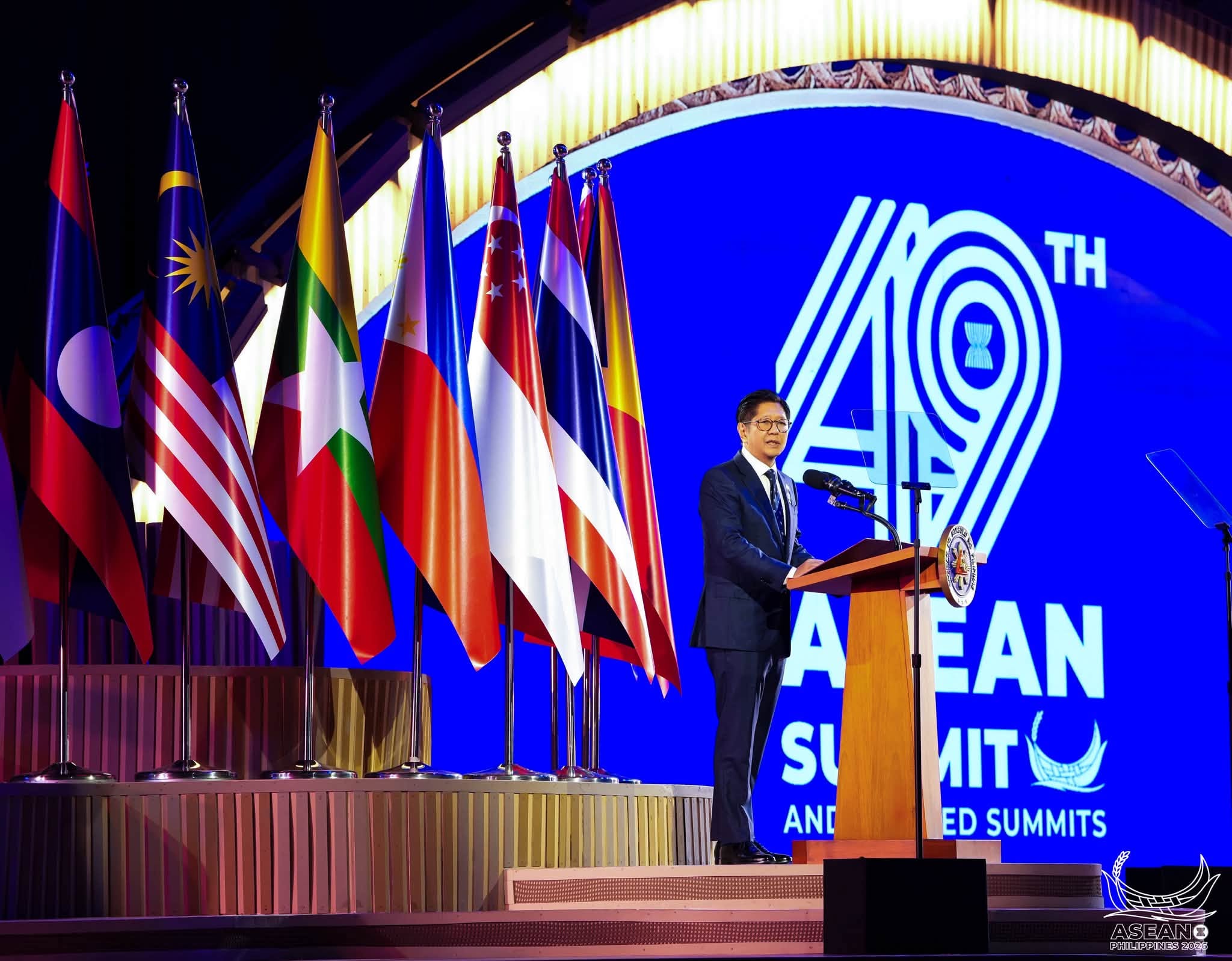
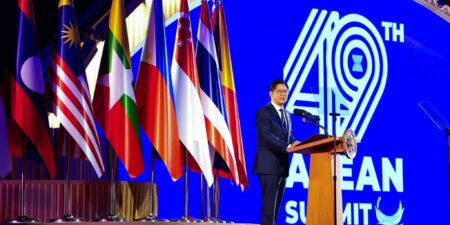
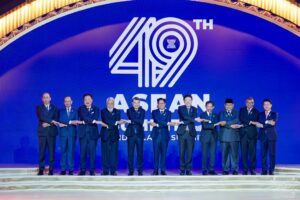
BGA Philippines Managing Director Victor Andres Manhit provided an update to clients on key economic, trade, digital and investment outcomes from the 49th Association of Southeast Asian Nations (ASEAN) Summit and related meetings in Manila.
Context
- The Philippines concluded its 2026 ASEAN chair year by advancing a broad agenda focused on economic integration, digital transformation, energy security, trade diversification and regional resilience. Under the theme “Navigating Our Future, Together,” ASEAN leaders and dialogue partners endorsed a series of agreements and initiatives aimed at strengthening regional cooperation and long-term competitiveness.
- A central theme throughout the summit was ASEAN’s effort to position itself as a leading destination for trade, investment, digital growth and supply chain diversification amid an increasingly uncertain global economic and geopolitical environment. Discussions also reflected growing interest from external partners seeking deeper engagement with Southeast Asia.
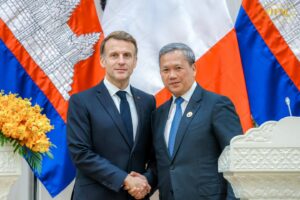
- The summit drew significant attention from major economic partners. The substantial conclusion of negotiations for the ASEAN-Canada Free Trade Agreement, progress toward a Philippines-Canada Free Trade Agreement and discussions surrounding U.S.-Philippines economic cooperation underscored ASEAN’s continued strategy of expanding external economic partnerships.
Significance
- The signing of the ASEAN Digital Economy Framework Agreement (DEFA) represents one of ASEAN’s most consequential economic milestones in recent years. As the region’s first legally binding digital economy agreement, DEFA establishes common rules and cooperation mechanisms covering digital trade, electronic payments, digital identities, cybersecurity, data governance and emerging technologies.
- ASEAN leaders also placed significant emphasis on artificial intelligence and digital inclusion. New initiatives focused on supporting AI adoption among micro, small and medium-sized enterprises, improving digital literacy, strengthening cybersecurity, and expanding technology access across underserved communities.
- Supply chains and industrial development featured prominently throughout the summit. The finalization of the ASEAN Semiconductor Roadmap 2026-2030 reflects regional efforts to strengthen ASEAN’s role within global semiconductor value chains while supporting higher-value manufacturing, infrastructure development, talent cultivation, and technology investment.
- Energy security and connectivity emerged as additional priorities. ASEAN advanced implementation of the ASEAN Power Grid, strengthened regional energy cooperation, and expanded discussions around clean energy, electricity interconnections, energy storage, and cross-border infrastructure.
- ASEAN also moved forward on critical minerals cooperation through a new declaration focused on strengthening supply-chain resilience, attracting investment, promoting downstream processing and developing a coordinated regional approach to critical minerals development.
Implications
- The Philippines’ chair year reinforced ASEAN’s focus on practical economic integration. Businesses should closely monitor implementation of DEFA and related initiatives covering digital payments, cross-border trade, cybersecurity, data governance, and digital identity systems.
- Companies operating in semiconductors, critical minerals, digital infrastructure, energy, manufacturing, logistics, and technology services may benefit from expanding regional cooperation and investment opportunities linked to ASEAN’s economic priorities.
- The growing number of trade initiatives, including the ASEAN-Canada FTA and ongoing efforts to strengthen economic partnerships with external markets, reflects ASEAN’s broader strategy of diversifying trade relationships and attracting investment amid changing global economic conditions.
- The summit highlighted the increasing convergence of digital transformation, industrial policy, supply chain resilience and energy security. As ASEAN seeks deeper integration while expanding partnerships beyond the region, companies will need to track both regional initiatives and country-level implementation to identify emerging commercial opportunities.
We will continue to keep you updated on developments in the Philippines as they occur. If you have any questions or comments, please contact BGA Philippines Managing Director Victor Andres Manhit at vmanhit@bowergroupasia.com.
Best regards,
BGA Philippines Team

×