



















Cambodia Faces New US Trade Scrutiny on Forced Labor but Secures Lower Proposed Tariff Rate
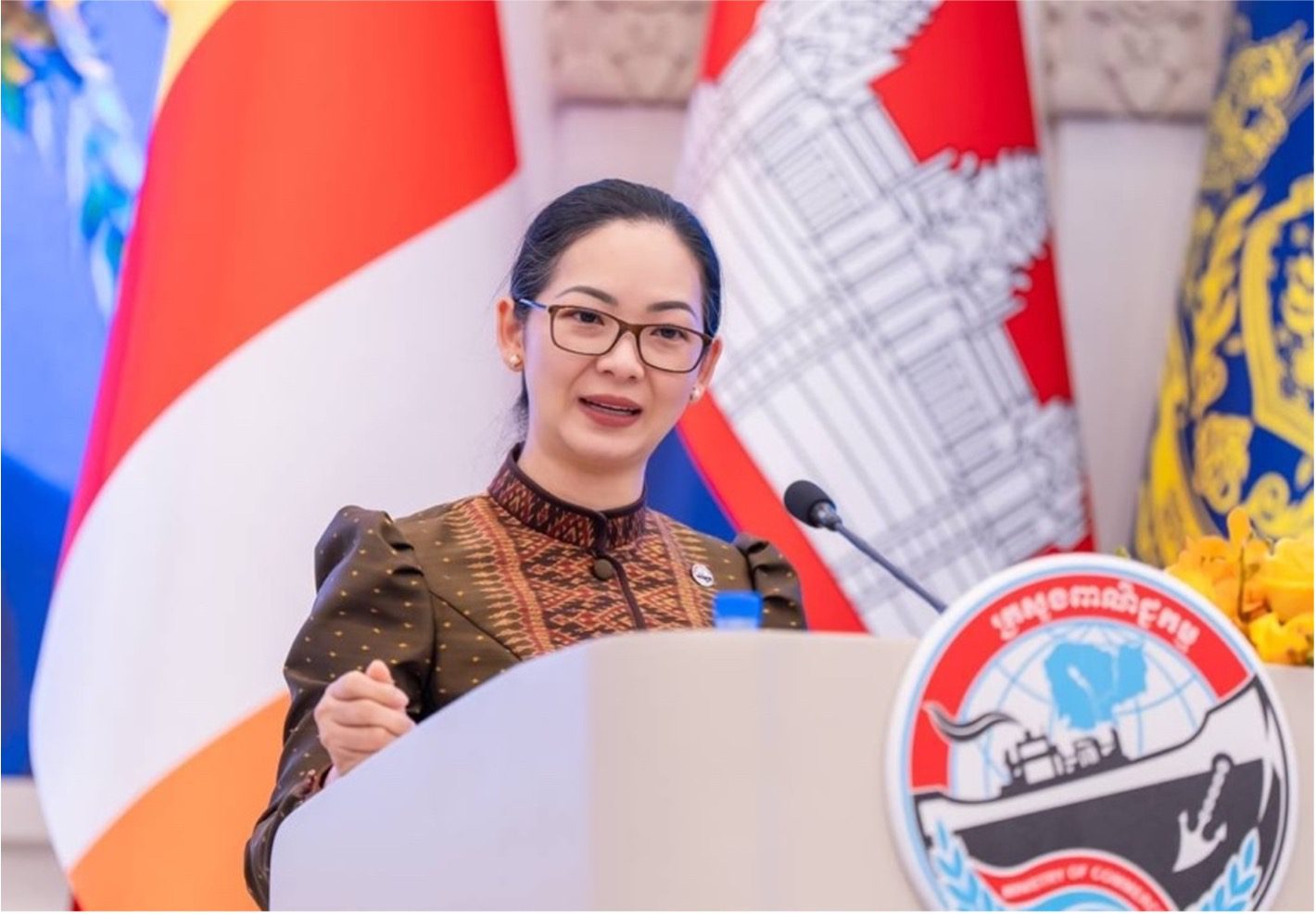
The BGA Cambodia Team, led by Managing Director Bora Chhay, prepared an update for clients on the newly proposed Section 301 measures on Cambodia.
Context
- The U.S. Trade Representative (USTR) proposed a new Section 301 measure on June 2 reviewing forced labor risks across 60 economies, placing Cambodia in a lower 10 percent tariff tier. This rate is more favorable than the 12.5 percent tier applied to 45 other economies, reflecting USTR’s assessment that Cambodia has made progress in addressing forced labor concerns. Although the measure is not yet final, it highlights the increasing importance of labor governance and supply chain compliance in U.S. trade policy.
- The proposal follows USTR findings that Cambodia lacks a fully effective legal framework to prohibit imports of goods produced through forced labor. While Cambodia has taken steps under the U.S.-Cambodia Agreement on Reciprocal Trade (ART), it has not demonstrated enforcement of a formal import ban on such goods. Cambodian authorities are now reviewing the findings and engaging with USTR, with an official response expected.
Significance
- The development elevates forced labor compliance from a regulatory issue to a central pillar of trade competitiveness. USTR concluded that Cambodia’s current policies may burden or restrict U.S. commerce, forming the basis for action under Section 301. This signals that future trade access will increasingly depend on demonstrable enforcement and supply chain transparency.
- Cambodia’s lower proposed tariff rate provides a relative advantage amid broader tightening of U.S. trade measures. The proposed 10 percent tariff compares favorably with higher rates applied to other economies, potentially enhancing Cambodia’s position in U.S.-bound supply chains. This comes as earlier tariff arrangements, including a 19 percent rate under the October 2025 agreement, were rendered inoperative following legal changes in the United States.
Implications
- Export-oriented sectors, particularly garments, footwear and travel goods (GFT), should prepare for stricter compliance and traceability requirements. Greater scrutiny is likely to drive tighter enforcement around certificates of origin, sourcing practices and supply chain monitoring. Companies will need to strengthen due diligence, documentation and compliance systems to maintain market access.
- Businesses face both competitive opportunity and regulatory risk in the evolving trade environment. Cambodia’s relatively lower tariff rate may support export competitiveness, particularly given that shipments to the United States exceeded $3.3 billion in the first quarter of 2026. However, failure to meet rising compliance standards could expose firms to tariffs, reputational damage and potential supply chain disruption.
We will continue to keep you updated on developments in Cambodia as they occur. If you have any comments or questions, please contact BGA Cambodia Managing Director Bora Chhay at bchhay@bowergroupasia.com.
Best regards,
BGA Cambodia

×