
















Cambodia Strengthens Trade Compliance in Response to US Section 301 Tariff
BGA Cambodia Senior Analyst Kunmakara May wrote an update to clients on Cambodia’s response to the U.S. Section 301 tariff.
Context
- The U.S. Trade Representative (USTR) imposed a 10 percent tariff on Cambodian imports July 23 after concluding its Section 301 investigation into forced-labor-related trade practices. The new rate, effective July 24, places Cambodia it in the lowest tariff tier alongside Indonesia and Malaysia, while several other Southeast Asian countries. The measure is intended to encourage stronger enforcement against goods produced through forced labor and strengthen the integrity of global supply chains.
- The announcement followed months of engagement between Cambodian authorities and U.S. officials regarding concerns over forced-labor import controls. In anticipation of the USTR decision, the Cambodian government moved proactively to strengthen its regulatory framework. The regulation formally prohibits the importation, circulation, use and supply of goods produced wholly or partially through forced labor and establishes enforcement mechanisms to investigate suspected violations.
- Cambodia’s decree signals a deliberate effort to demonstrate regulatory alignment with U.S. forced-labor enforcement priorities while preserving the country’s relative tariff advantage. The measure should help reinforce Cambodia’s standing as a reliable exporter by providing importing countries and international buyers clearer assurance that Cambodian supply chains are subject to stronger safeguards against forced-labor risks.
Significance
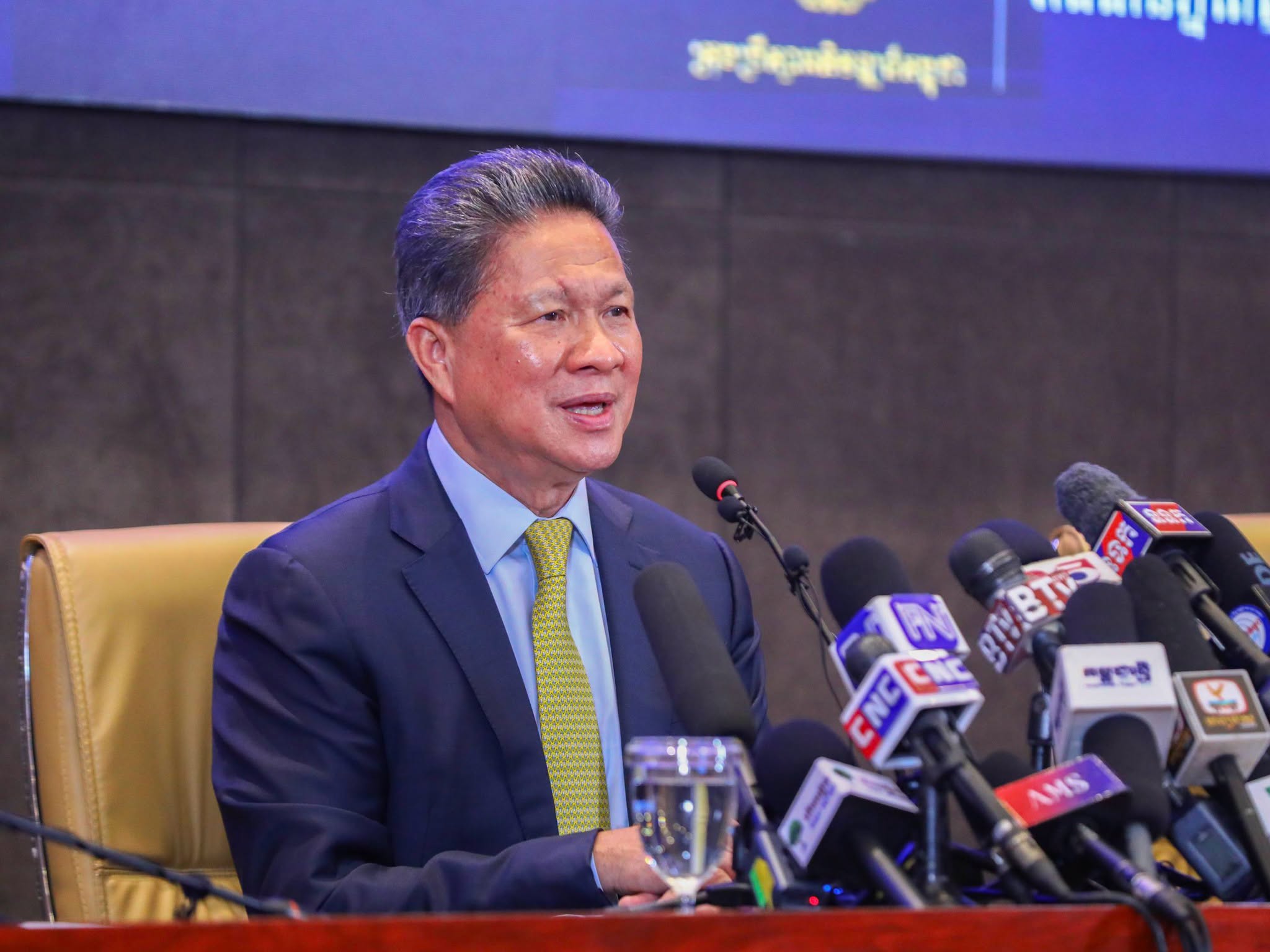
- Cambodian officials emphasized that the new tariff should not be interpreted as an additional duty on top of the previously announced 19 percent reciprocal tariff. During a press July 27 conference, Deputy Prime Minister Sun Chanthol explained that the earlier reciprocal tariff framework had been invalidated by the U.S. Supreme Court, meaning the new 10 percent tariff effectively stands on its own under the current U.S. trade regime.
- Cambodian officials view the outcome as relatively favorable compared with regional competitors. The lower tariff rate helps preserve Cambodia’s competitiveness in key export sectors, particularly garments, footwear, travel goods and other light manufacturing industries.
Implications
- Sun Chanthol said that the United States is considering a preferential trade arrangement that could allow Cambodian garments made with U.S.-sourced cotton and fabric to enter the U.S. market with zero additional tariffs under a proposed most-favored-nation zero percent arrangement or tariff-rate quota scheme. Cambodia is one of four eligible countries, alongside Bangladesh, Indonesia and Malaysia. The initiative could enhance Cambodia’s competitiveness, support diversification of sourcing and partially offset the impact of the new Section 301 tariff.
- Despite the evolving trade environment, Cambodia’s export performance remains resilient. Exports to the United States reached $7.5 billion in the first half of 2026, a 41 percent year-on-year increase, underscoring the continued importance of the U.S. market and the strength of Cambodia’s manufacturing sector.
We will continue to keep you updated on developments in Cambodia as they occur. If you have any comments or questions, please contact BGA Cambodia Senior Analyst Kunmakara May at kmay@bowergroupasia.com.
Best regards,
BGA Cambodia Team

×