

















Cambodia Unlocks 30 MW Rooftop Solar to Boost Sustainable Manufacturing and Promote Clean Energy
BGA Cambodia Senior Analyst Kunmakara May prepared an update for clients on Cambodia’s new rooftop solar quota for 2026 and its implications for the country’s manufacturing sector and energy transition.
Context
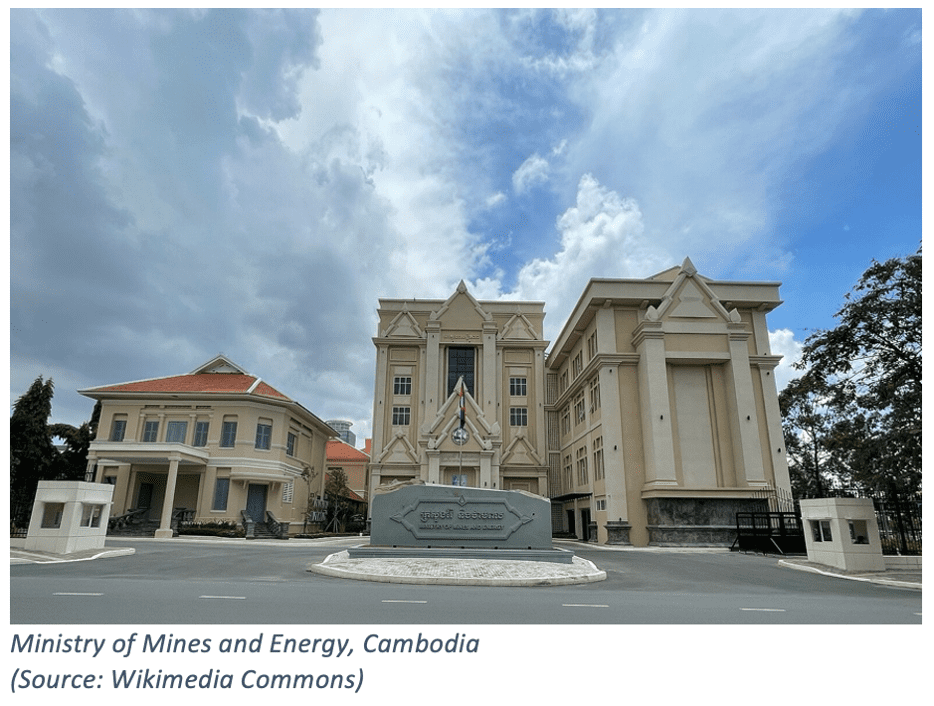
- Cambodia’s Ministry of Mines and Energy (MME) issued a directive on February 5 establishing a 30-megawatt (MW) rooftop solar quota for 2026. The directive authorizes the Electricity Authority of Cambodia (EAC) to grant approvals to electricity consumers to install rooftop solar systems, primarily targeting commercial and industrial users seeking to diversify their energy supply while supporting the government’s goal of reaching 70-80 percent renewable energy by 2030.
- The policy creates a regulated pathway for private solar adoption while maintaining strict oversight to protect grid stability. Businesses installing systems above 10 kilowatts must obtain approval from the EAC, while smaller residential systems must be declared to electricity providers to ensure compliance with safety and technical standards. Officials say the 30 MW quota reflects infrastructure limitations and aims to balance growing demand for solar energy with the need to maintain grid reliability.
Significance
- The new rooftop solar quota signals a cautious but positive step toward expanding renewable energy in Cambodia’s industrial sector. While the policy improves regulatory clarity and predictability for investors and manufacturers, it represents a measured opening rather than full market liberalization, as installations remain subject to licensing requirements and capacity limits.
- Expanding rooftop solar is increasingly important for Cambodia’s export-oriented manufacturing sector as global sustainability standards tighten. The European Union, Cambodia’s largest garment export market, is introducing stricter environmental, social and governance (ESG) requirements in supply chains, which means that greater adoption of renewable energy will be important for factories seeking to maintain competitiveness and access to key export markets.
Implications
- Companies can expect rooftop solar to become a viable strategic option for reducing energy costs and strengthening sustainability credentials. Manufacturers in particular have advocated for greater access to rooftop solar systems to diversify energy supply away from generators and purchased national power, which could improve operational efficiency and competitiveness in regional and global markets.
- Businesses should watch for further regulatory reforms that could significantly expand private investment in solar energy. Industry groups such as EuroCham Cambodia have recommended measures including clearer compensation tariffs linked to grid pricing, access to time-of-use electricity tariffs, and enabling power purchase agreements in special economic zones to accelerate large-scale solar deployment.
We will continue to keep you updated on developments in Cambodia as they occur. If you have any comments or questions, please contact BGA Cambodia Senior Analyst Kunmakara May at kmay@bowergroupasia.com.
Best regards,
BGA Cambodia Team

×