















China’s Fifth Plenum Tightens Party Discipline Ahead of 2027 Congress
BGA China Adviser Eric Wang and Director Sam Overholt wrote a client update on the China’s Fifth Plenum.
Context
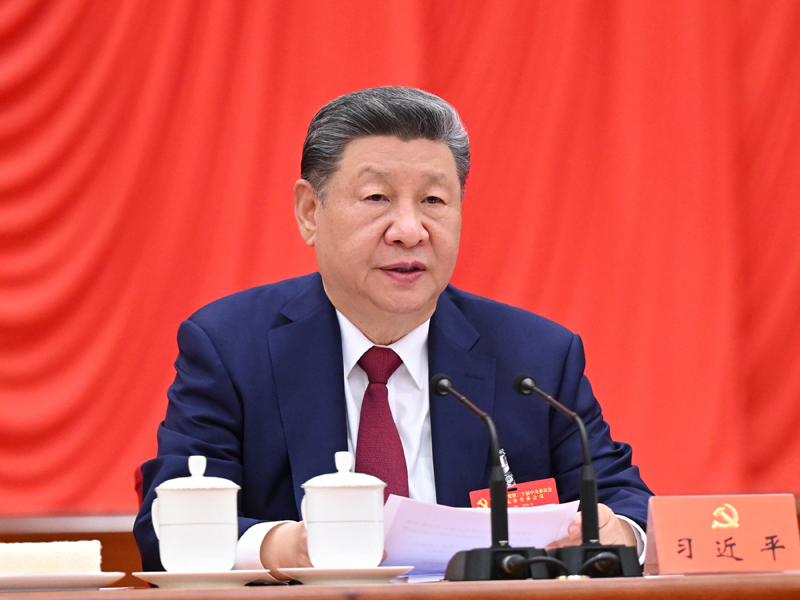
- The 20th Central Committee of the Chinese Communist Party (CCP) held its Fifth Plenum in Beijing from October 26-29. The Politburo set the agenda July 30. Unlike last year’s Fourth Plenum, which approved the proposal for the 15th Five-Year Plan, this session was always going to focus on the party itself: it would study major issues in advancing full and rigorous party self-governance.
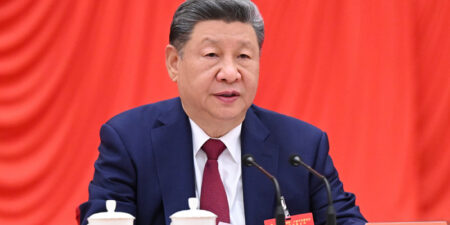
- General Secretary Xi Jinping delivered the Politburo’s work report and presented the draft decision to the plenum. The Central Committee adopted the Resolution on Certain Major Issues Concerning Persevering With Full and Rigorous Party Self-Governance. Attendance itself told part of the story: 162 full members and 117 alternates attended, down from 168 full members at the Fourth Plenum, which was already notably low.
Significance
- The plenum sets the sequence for the next 12 months: political consolidation first, economic adjustment second. The leadership chose a four-day meeting on party discipline at the moment equity markets were under the most strain. That choice signals that cohesion ahead of the 2027 congress takes priority over any visible response to markets. BGA expects meaningful policy adjustment to come through the December economic meetings and the March “two sessions,” calibrated so that it does not appear to be a reaction to market pressure.
- The regulatory purge will slow the policy response. The officials removed include figures from banking, securities and industrial regulation: Li Yunze (National Financial Regulatory Administration), Yi Huiman (formerly of the China Securities Regulatory Commission) and Jin Zhuanglong (formerly of the Ministry of Industry and Information Technology). Those now running these agencies have little incentive to propose bold or novel measures before the congress. Policy design will therefore shift further toward central party bodies, so stabilization measures will arrive later and be decided more from the top.
- Local leadership turnover will dilute the impact of central support. The plenum linked the “correct view of performance” campaign to the new round of leadership elections and called for training incoming leadership heads. Newly appointed officials judged on risk avoidance are unlikely to push local investment hard. Any central stimulus is likely to have a weaker effect on the ground than in past cycles.
Implications
- Economic policy was largely absent from the plenum, but the political signals carry real implications for business. Companies should expect a more cautious bureaucracy through the 2027 congress. When engaging with the Chinese government, they should clearly articulate how their activities support the leadership’s stated priorities: high-quality development, domestic demand and the 15th Five-Year Plan. Proposals that ask officials to take discretionary risk will be harder to advance.
- The equity sell-off puts political weight behind the tech-led growth strategy, not against it. October was the worst month for Chinese equities in more than a decade. The CSI 300 fell about 8.5 percent, and the STAR 50 AI and chip index has lost more than 40 percent since June. The communique nonetheless says the 15th Five-Year Plan is off to a good start, and its economic language was routine. Because the technology agenda is closely tied to the leadership’s record heading into the congress, a market rejection of AI valuations raises the cost of changing course.
- Private tech firms face pressure on two fronts. The decision calls for promoting party building in “emerging sectors.” These are the same companies whose valuations are falling. Weaker capital-market access combined with heavier political oversight will likely dampen private fundraising and listings in strategic tech, leaving the state an even larger role as financier.
We will continue to keep you updated on developments in China as they occur. If you have any comments or questions, please contact BGA Adviser Eric Wang at ewang@bowergroupasia.com or Director Sam Overholt at soverholt@bowergroupasia.com.
Best regards,
BGA China Team

×