
















From Global Rules to Regional Deals: Digital Trade Enters Fragmented Phase
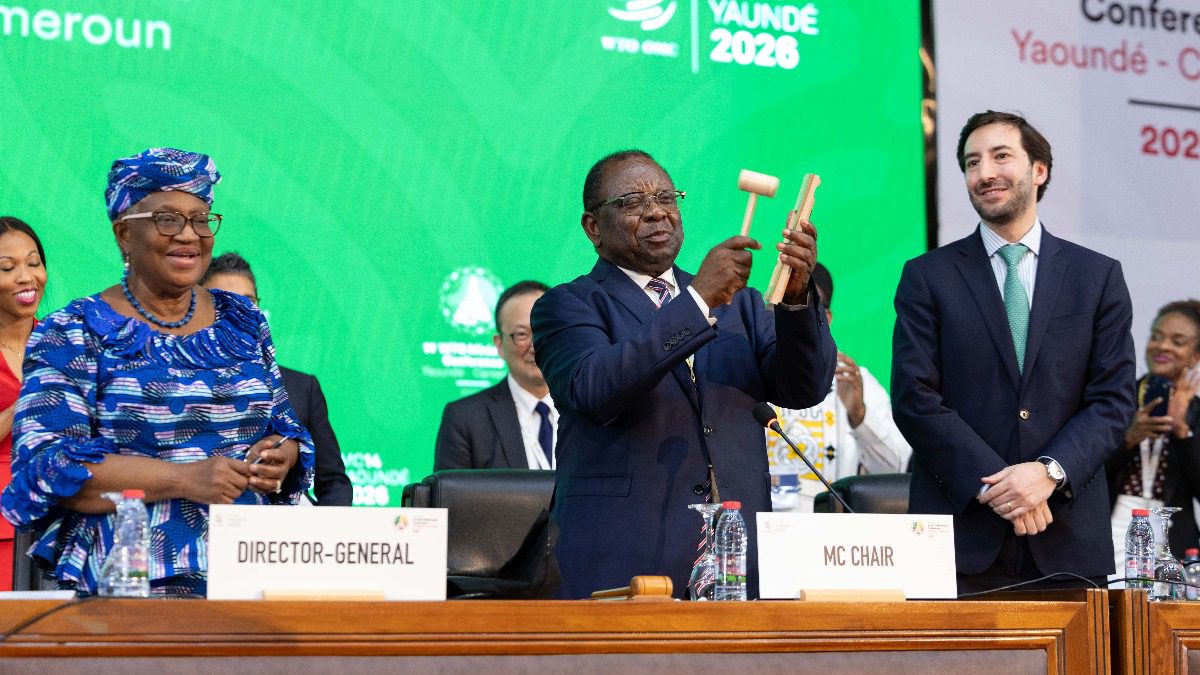
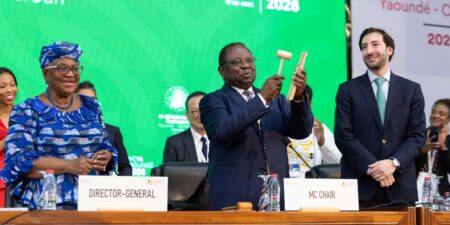
BGA Managing Director for Global Trade and Economics Nydia Ngiow wrote an update to clients regarding last month’s World Trade Organization (WTO) 14th ministerial conference (MC14) in Yaoundé, Cameroon.
Context
- At the MC14, WTO members failed to renew the long-standing duty moratorium on electronic transmissions, marking a lapse after nearly three decades andunderscoring the weakening ability of the multilateral rules-based trading system to deliver consensus outcomes.
- At the same time, the endorsement of an E-Commerce Agreement (ECA) by 66 WTO members provided a glimmer of hope that rules governing the digital economy will continue to evolve, albeit outside the WTO’s traditional consensus framework. Minimally, these 66 WTO members as well as the United States have committed to maintaining duty-free treatment of electronic transmissions among themselves.
Significance
- While WTO members now have the legal right to impose customs duties on digital transmissions, few governments are expected to take advantage of this lapse and impose customs duties. This creates regulatory uncertainty on digital trade, but it is not clear whether countries are able to reach a consensus without ministerial pressure at the next meetings in Geneva. The next WTO ministerial conference is scheduled for May 2027.
- The broader takeaway from the WTO ministerial meeting is not just fragmentation of digital trade rules but that rulemaking is now centered around relationships. The WTO has shown that it is unable to reliably generate digital trade governance while the ECA, which represents the functional multilateral alternative at the moment, requires active accession.
Implications
- Companies should expect the United States to pursue these issues more aggressively in its negotiations, using tools such as Section 301 investigations, because it remains outside of the ECA framework. This increases both the risk and the importance of proactive company engagement in U.S. trade policy processes because its policy on digital trade is differentiated and shaped by market-specific pressures and negotiated outcomes.
- Companies that invest in the quality of their bilateral and regional relationships in Washington, D.C.; Manila; and other ASEAN capitals will have a structural advantage. Participation in the processes, such as the 2027 National Trade Estimate comment solicitation, which will begin in late 2026, will directly shape future Section 301 and other enforcement actions.
If you have any questions, please reach out to BGA Managing Director for Global Trade and Economics Nydia Ngiow, Head of Research Murray Hiebert, Senior Adviser Larry Greenwood or Senior Adviser James Carouso.
Best regards,
BGA Global Trade and Economics Team

×