



















From Steel to Statins: Updates to Section 232 Tariffs on Pharmaceuticals and Metals
BGA Managing Director for Global Trade and Economics Nydia Ngiow and BGA Director of Health Care Yeh Cher Low wrote an update to clients on the U.S. Section 232 tariffs on pharmaceuticals and metals.
Context
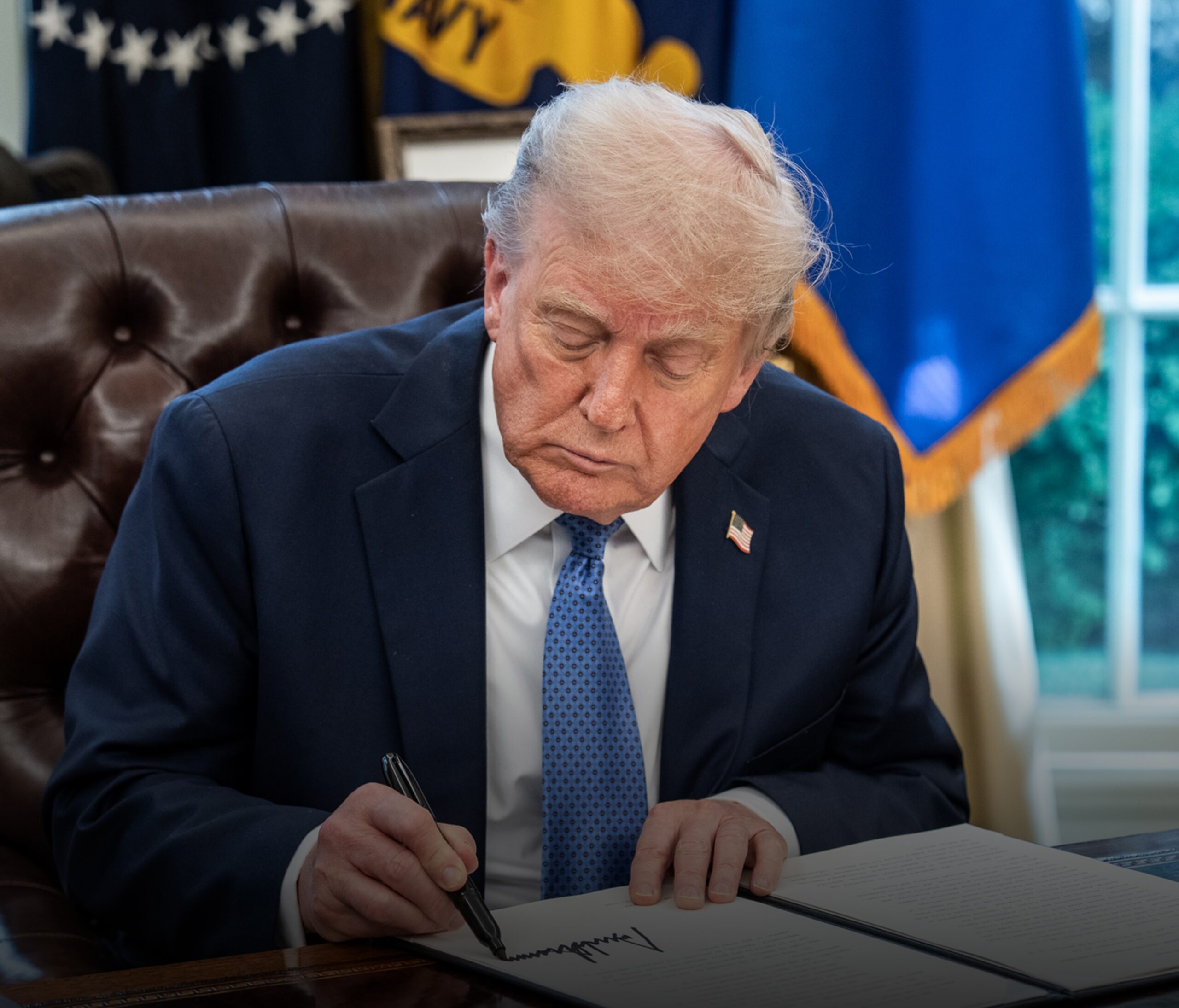
- U.S. President Donald Trump announced updates to Section 232 tariffs on pharmaceuticals and pharmaceutical imports as well as imports of aluminum, copper and steel on April 2. A 100 percent tariff on patented pharmaceutical products and ingredients will come into effect in 120 days for certain large companies and 180 days for smaller companies, with certain exceptions elaborated below. The U.S. administration also updated its Section 232 tariffs on finished products made with imported aluminum, copper and steel to 25 percent. This is intended to help simplify compliance, although the net effect of these changes may end up increasing costs for many imports. Following the administration’s earlier announcement that companies with plans to onshore pharmaceutical manufacturing will gain exemptions, this latest development will likely push those companies that have yet to finalize negotiations with the Department of Commerce to do so before the tariffs take effect. Australian and EU companies should expect a more favorable trade and investment climate, particularly in relation to critical mineral supply chains.
- Tariffs on these two product categories will be imposed under Section 232 of the 1962 Trade Expansion Act, which allows the president to levy tariffs to address national security risks. Taken together with the ongoing Section 301 investigations on excess manufacturing capacity and forced labor, the latest Section 232 developments reaffirm that the White House is leveraging all other “battle-tested” legislative tools, both country- and sector-specific, to continue implementing Trump’s tariff policies amid concerns about the tariffs’ impact on affordability and supply chain stability. Companies should also note and prepare accordingly that these measures will continue to accelerate the fragmentation of global supply chains, slowly but surely leading to a more permanent realignment of separate manufacturing blocs — one centered around the United States and the other ex-U.S
Implications for Imports of Pharmaceuticals and Pharmaceutical Ingredients into the United States
- A 100 percent tariff will apply to the imports of patented pharmaceuticals and active pharmaceutical ingredients. These new duties will take effect July 31 for a select list of companies (found on Annex III of the White House proclamation) and September 29 for all other companies. For products from companies that have onshoring agreements with the United States, the applicable tariff rate will be 20 percent. This rate will also apply to companies which currently have agreements in principle. While the proclamation states that the 20 percent tariff will be escalated to 100 percent after four years on April 2, 2030, giving companies a hard deadline to complete their onshoring processes or face significantly higher tariff treatment, it remains to be seen whether the administration will follow through on this threat since a different administration will be in place at that time.
- These tariffs come with a multitude of exemptions, including the following
- Generic drugs and biosimilars. The commerce secretary will report to the president within one year on whether any action should be taken to adjust the import of generics and their associated ingredients. While the tariffs might result in an accelerated shift toward generics and biosimilars, creating a competitive opening for Indian and Chinese generic manufacturers, this is likely to be short-lived if the swing, particularly to Chinese generic manufacturers, becomes too big.
- Companies that have already committed, or will commit, to building manufacturing plans in the United States by the end of Trump’s term in 2028. Companies’ agreements with the administration may vary, but most of them also included an offer of certain drugs in their portfolios at MFN prices. New drugs launched in the United States are also expected to be at these pricing levels in the future, which the Trump administration believes will be consequential in controlling costs over time. With most, if not all of the major drugmakers announcing MFN deals, it is unlikely that any major companies will end up facing the 100 percent tariff.
- Countries that have concluded trade agreements with the administration in the past year will receive lower rates. Pharmaceutical imports from the European Union, Japan, Korea, Liechtenstein and Switzerland will receive a 15 percent tariff according to their respective agreements. Imports from companies from the United Kingdom will not face any tariffs from January 1, 2026, to January 19, 2029, after a deal was struck between the United States and the United Kingdom April 2.
- Certain product categories will also be exempt from the new tariffs, provided they are products from a jurisdiction that has a current or forthcoming trade agreement or they meet an urgent health need. This includes orphan drugs (drugs developed specifically to treat rare diseases); nuclear medicines; plasma-derived therapies, fertility treatments, cell and gene therapies, antibody drug conjugates, drugs to counter chemical, biological, radiological or nuclear threats; animal health pharmaceuticals; and any other specialty pharmaceutical products subsequently identified by the commerce secretary.
Implications on Imports of Aluminum, Copper and Steel Into the United States
- Finished products made with imported aluminum, copper and steel will be tariffed at 25 percent on the full value of a finished product (a derivative product containing aluminum, copper or steel), beginning April 6. This replaces the current 50 percent tariff that applies only to the value of the metal used in a product. A 50 percent tariff was imposed on copper imports in July 2025. Given that tariffs are now being charged on the full value of the imported products rather than just the content, the cost of the tariffs assessed on these products will likely be higher, allowing the administration to receive more money under these tariffs.
- Exemptions will be provided for certain metal-intensive industrial equipment and electrical grid equipment will be tariffed at 15 percent, on imports of U.S.-originating aluminum, copper and steel will be tariffed at 10 percent, and products that contain less than 15 percent by weight of these metals. Manufacturing drawback claims (the refund of duties when the imports are subsequently exported or destroyed) may be permitted for partners including the European Union, United Kingdom, Japan, Korea, Canada, Mexico and other trading partners that have concluded agreements on reciprocal trade. It remains to be seen whether these changes in tariffs will pave the way for a formal agreement on reciprocal trade with the European Union, which made lowering the duties on steel and aluminum a key factor in its vote last month to approve lower tariffs on U.S. industrial products.
BGA continues to monitor these developments closely. If you have any questions, please reach out to BGA Managing Director for Global Trade and Economics Nydia Ngiow or Health Care Director Yeh Cher Low.
Best regards,
BGA Global Trade and Economics Team

×