
















G7 Technology Agenda Signals Search for Balance in Era of Strategic Competition
BGA Technology team Senior Advisers Laura Sallstrom and Erika Barros Sierra wrote an update to clients on the Group of Seven (G7) technology agenda.
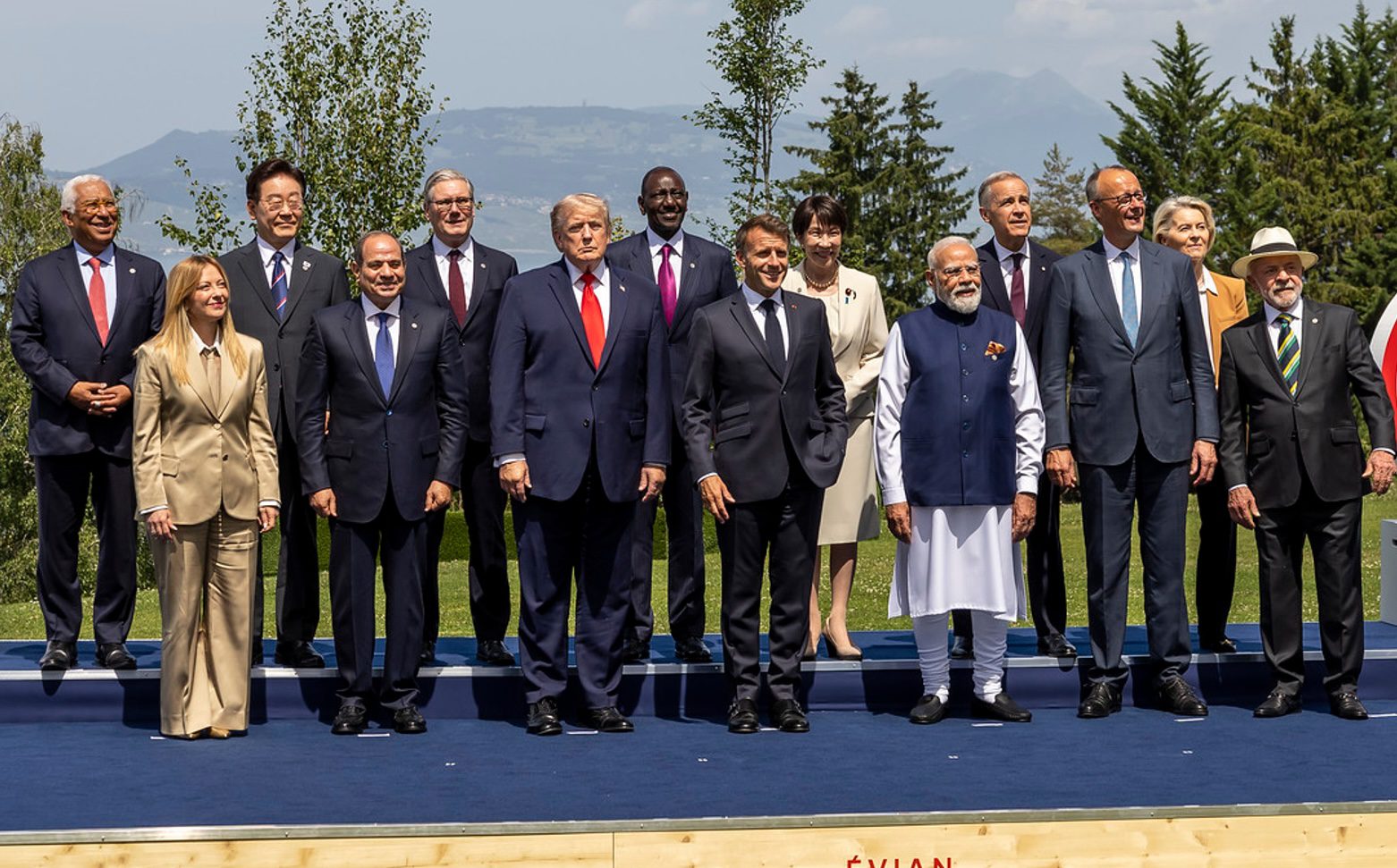
- The 2026 G7 leaders’ summit took place from June 15-17 in Évian-les-Bains, France. The meeting comes at an inflection point in the development of technology policy, which is no longer separable from economic security, national security, industrial strategy and geopolitical competition. Artificial intelligence (AI), digital infrastructure, online safety, data flows, quantum technologies, critical minerals and supply chain resilience are now part of the same strategic conversation. (The G7 includes Canada, France, Germany, Italy, Japan, the United Kingdom and the United States).
- For governments and companies across Indo-Pacific, the significance of this year’s G7 lies less in any single announcement than in the direction of travel. Advanced economies are increasingly trying to balance openness with security, innovation with accountability and international cooperation with national strategic interests.
Significance
- That search for balance is now translating into a greater willingness among governments to engage with the design of digital services, the structure of AI markets, the resilience of digital infrastructure and access to strategically important technologies. The politics around the leaders’ summit, the participation of technology CEOs in the broader G7 conversations and the dispute over access to Anthropic’s most advanced AI models all show that these issues are far from resolved even among close partners and allies.
- More broadly, the G7 discussions suggest that technology policy is increasingly being viewed through the lens of economic security. AI, semiconductors, critical minerals, cloud infrastructure, quantum technologies and data governance are no longer being treated as separate policy domains but as interconnected components of national competitiveness and resilience.
- The G7 process also continues to reach beyond its traditional membership. France’s presidency placed visible emphasis on engaging key partners from the Indo-Pacific and Global South. The leaders’ call on a safer digital space for minors was supported not only by G7 members but also by Brazil, Egypt, India, Kenya and Korea. That matters because many of the technologies at the center of G7 debates — AI, semiconductors, quantum, cloud infrastructure, subsea cables, critical minerals and advanced manufacturing — depend on markets, capabilities and supply chains that sit well beyond the G7 itself. Increasingly, many of those capabilities sit in Indo-Pacific economies that are becoming co-authors rather than recipients of global technology governance.
Implications
- The most important technology story from this year’s G7 is not any single initiative; it is the continued convergence of technology policy, economic competitiveness, national security, and social policy.
- Viewed together, the G7’s work on AI, child online safety, data flows, quantum, critical minerals and digital resilience suggests that governments are increasingly treating technology policy as industrial policy, security policy and social policy at the same time. The leaders’ summit also demonstrated how difficult it is to reach durable consensus, even among close partners, when technology access, market power, national security and sovereignty collide.
- For Indo-Pacific policymakers and companies, the G7 should be read less as a rulebook than as an early signal of policy direction and the continuing political challenges in achieving global consensus. The themes emerging now — AI openness and concentration, frontier-model access, child online safety, quantum, trusted data flows, digital resilience, critical minerals and strategic dependencies — will likely shape regulatory and commercial decisions well beyond the G7 itself.
We will continue to keep you updated on developments in technology as they occur. If you have any comments or questions, please contact BGA Senior Advisers Laura Sallstrom at
lsallstrom@bowergroupasia.com or Erika Barros Sierra at ebarrossierra@bowergroupasia.com
Best regards,
BGA Technology Team

×