



















Indonesia Passes New Criminal Law Procedures Code Amid Civil Liberties Concerns
The BGA Indonesia team, led by Managing Director Doug Ramage, wrote an update to clients on Indonesia’s new Criminal Law Procedure Code.
Context
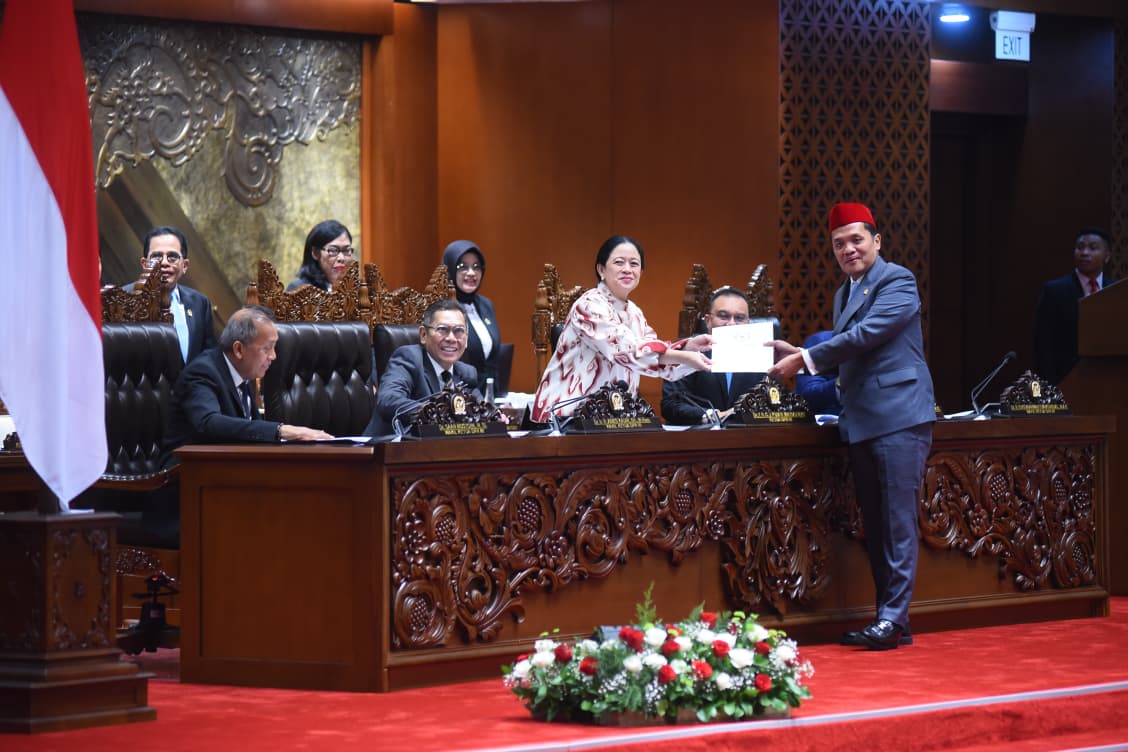
- The House of Representatives passed a new Criminal Law Procedure Code (KUHAP) November 18, complementing the Criminal Code enacted in 2023 but not yet in force. Both will take effect January 2, 2026, marking a new — and still-evolving — era in Indonesian criminal law. Whereas the Criminal Code defines crimes, the KUHAP sets out how they are investigated, prosecuted and adjudicated. Because the two operate together, the procedures law needed to be revised.
- The Criminal Code broadens criminal liability from individuals to include corporations, making companies fully liable for all offenses. Fines are the main penalty, with possible added sanctions ranging from compensation to dissolution. For businesses, the most consequential change in the KUHAP is a new chapter on the prosecution of corporations and their “responsible actors” (individual company representatives). These provisions consolidate and expand procedures that were previously scattered across different regulations. They set out rules on investigation, representation, charging, sentencing, fines and the liability of responsible actors. The KUHAP also introduces deferred prosecution agreements and restorative justice mechanisms for corporate cases.
- The Criminal Code has been criticized for narrowing civil liberties and expanding police powers. It introduces new limits on speech, penalizing insults against state officials and institutions, tightening rules on demonstrations, expanding blasphemy clauses and prohibiting teachings deemed contrary to the state ideology. It also criminalizes sex outside of marriage and cohabitation when reported by family members as well as other morality-based provisions.
Significance
- Fines are the main penalty for corporate crimes, ranging from IDR 200 million ($12,000) to IDR 50 billion ($3 million), depending on the offense. Companies must pay within one month of a final verdict, with the option to extend once. Failure to pay may result in prosecutors immediately seizing and liquidating corporate assets to satisfy the penalty. These timelines are significantly shorter and stricter than those found in existing sector-specific statutes.
- Courts may impose additional penalties, such as asset forfeiture, restitution, operational restrictions and dissolution. These sanctions must also be executed within one month, after which prosecutors may seize corporate property or revenue streams with court authorization. The tight timelines introduce new operational, treasury and liquidity risks for companies.
- Liability under the KUHAP extends to a broad set of “responsible actors,” which includes functional managers, persons who issued instructions, individuals who exercise control over the corporation and beneficial owners. It allows prosecutors to reach local executives, regional supervisors, influential shareholders and others who may not be formally listed as a manager. Prosecutors may charge these individuals in their personal capacity.
- The KUHAP allows companies and responsible actors to be tried together in the same case, each facing separate indictments and separate punishments. This means that responsible individuals are prosecuted as individuals, not as extensions of the corporate entity. For companies, this substantially raises the personal stakes for management and beneficial owners and increases prosecutorial leverage in the investigation and negotiation process.
Implications
- The new corporate criminal liability regime increases companies’ exposure to searches, data requests and investigative actions. Investigators may summon employees, access offices and review or seize company records and systems. For firms that use cross-border information technology infrastructure, requests may also extend to data stored abroad. Companies will need clear procedures for responding to requests, handling data and documenting cooperation.
- The impact of the Criminal Code and KUHAP will depend on how law enforcement agencies and the courts interpret and implement them. This is a key theme in the public debate, given long-standing concerns about the professionalism and accountability of these institutions, especially the police. These are sharpened by recent controversies, notably the killing of online motorcycle-taxi driver Affan Kurniawan by a police vehicle, which further fueled the August-September 2025 unrest and prompted police reform commitments.
We will continue to keep you updated on developments in Indonesia as they occur. If you have any comments or questions, please contact BGA Indonesia Managing Director Douglas Ramage at dramage@bowergroupasia.com.
Best regards,
BGA Indonesia Team

×