


















Indonesia-US Trade Talks Face Prolonged Uncertainty
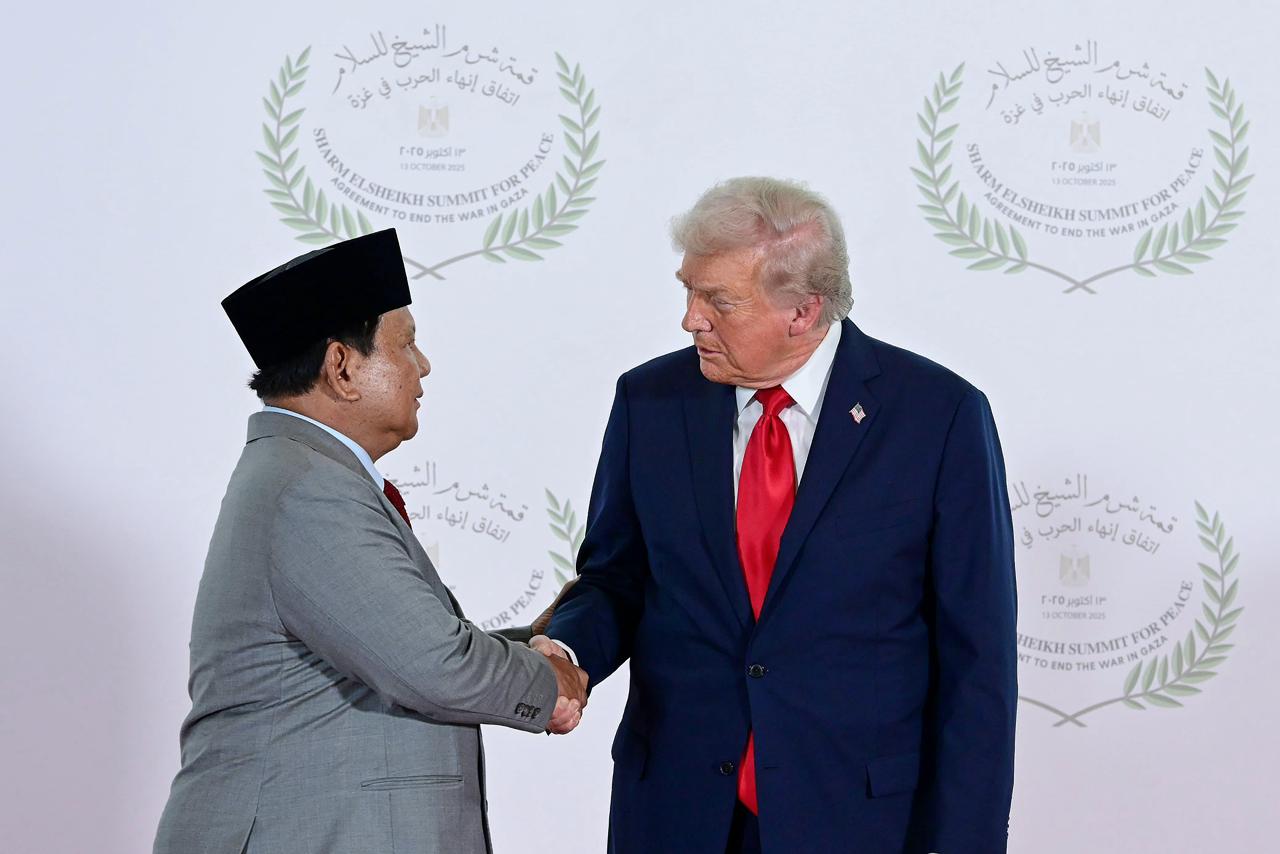
The BGA Indonesia team, led by Managing Director Doug Ramage, wrote an update to clients on the stalled Indonesia-U.S. trade negotiations.
Context
- Tensions have been building for months around the stalled U.S.-Indonesia tariff negotiations. News reports suggest that U.S. Trade Representative Jamieson Greer believes Indonesia is “reneging” on commitments made in July and warns the deal is at risk of collapsing. BGA has learned separately that this view is shared among senior members of U.S. President Donald Trump’s economic team.
- The trade framework agreed in July, which reduced the threatened U.S. tariff on Indonesian goods from 32 percent to 19 percent, was met with immediate skepticism for its ambitious scope. Indonesia preliminarily agreed to remove tariffs on more than 99 percent of U.S. goods, purchase billions of dollars’ worth of American products and eliminate a wide range of nontariff barriers, including local content requirements, that sit at the core of Jakarta’s industrial strategy. From the outset, the central question among analysts was not when and how Indonesia would carry out reforms but how it would interpret and narrow provisions on nontariff barriers to minimize the domestic impact.
Significance
- Indonesia is unlikely to adopt sweeping reforms to nontariff barriers, particularly local content requirements, and will pursue the narrowest possible interpretation of any commitments ultimately agreed. Opposition from influential domestic business groups and within the bureaucracy emerged quickly following the president’s response to Trump’s tariff announcement in April and intensified after the framework’s announcement in mid-July, especially around provisions touching core industrial and procurement policies. Since then, BGA sources have consistently indicated that line ministries — including the ministries of Industry and Trade — have received limited instructions and have shown little proactive intent to decisively address policy commitments in the framework.
- While both governments continue to signal intent to conclude an agreement, negotiations are likely to remain prolonged and could extend well into 2026. Given the strict confidentiality surrounding the talks and the unprecedented nature of the issues under discussion, it is not possible to forecast timing with much precision.
Implications
- Companies should continue to view the prospective trade agreement as a potential upside rather than a straightforward mechanism for resolving specific regulatory issues. The negotiations involve high-level political considerations, a multitude of contingencies, and areas of reform that challenge core elements of Indonesia’s economic strategy. As a result, even if an agreement is finalized, implementation across sectors may be uneven and subject to narrow interpretation.
- In this context, the most reliable path for advancing business objectives remains direct engagement with Indonesian policymakers and regulators. The agreement may ultimately shape the broader policy environment, but day-to-day regulatory outcomes will continue to be influenced by domestic priorities, institutional dynamics and agency-level decision-making. Companies should proceed on the working assumption that on-the-ground engagement will remain essential irrespective of the trajectory of the trade negotiations.
We will continue to keep you updated on developments in Indonesia as they occur. If you have any comments or questions, please contact BGA Indonesia Managing Director Douglas Ramage at dramage@bowergroupasia.com.
Best regards,
BGA Indonesia Team

×