
















Malaysia’s Sabah State Election Results Intensify Pressure on PM Anwar To Deliver Reforms
The BGA Malaysia team, led by Deputy Managing Director Sadiq Nor Azlan, wrote an update on the Sabah state election results.
Context
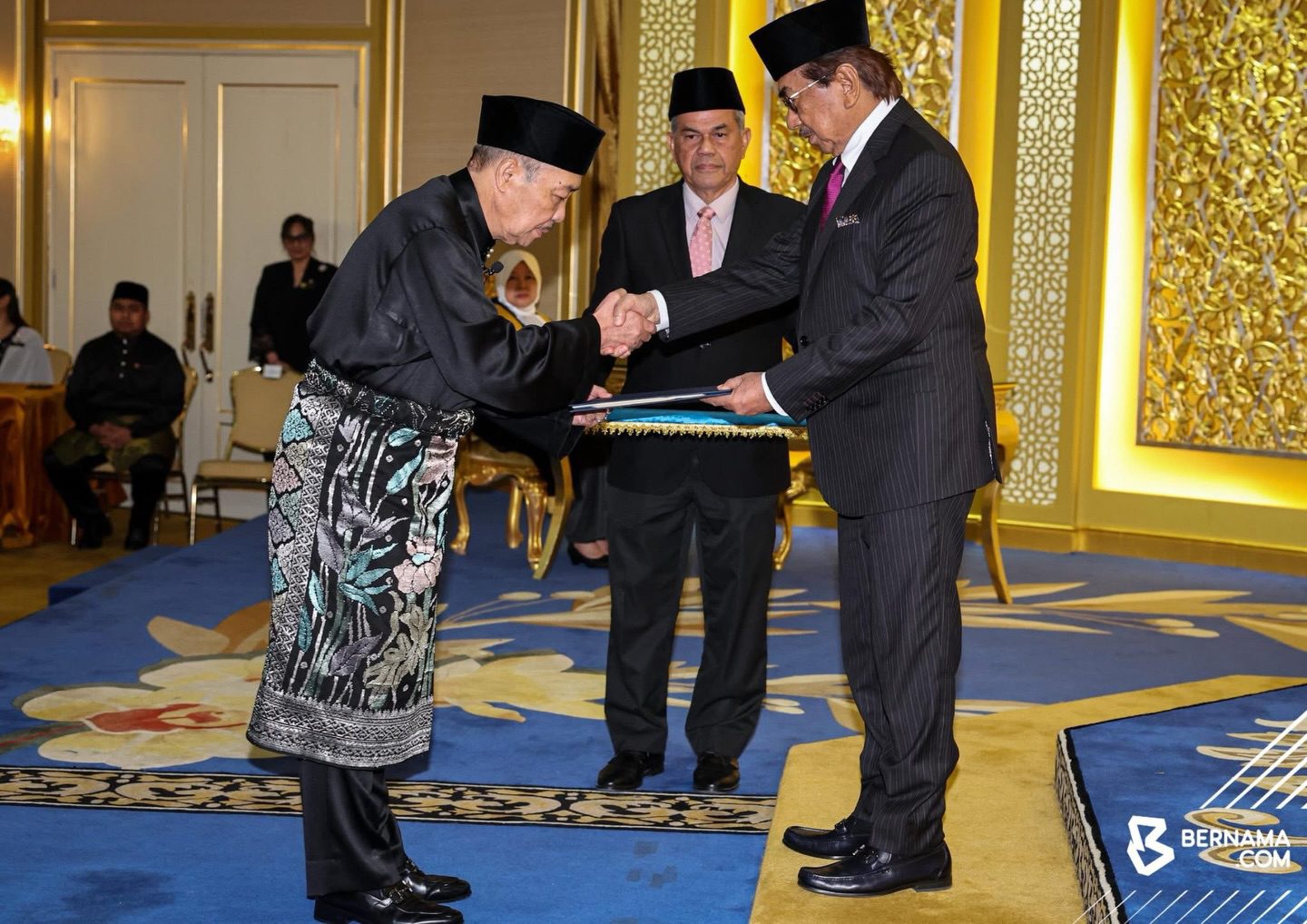
- The 17th Sabah state election, held November 29, resulted in the local Gabungan Rakyat Sabah (GRS) coalition returning to power. The election initially produced a hung assembly, with no single party or coalition securing the 37 seats needed to govern. Multiple parties joined GRS after the Election Commission announced the official results on November 30, and Chief Minister Hajiji Noor was sworn in for a second term shortly thereafter.
- The campaign was intense and marked by heated debate, with key issues including an ongoing mining-related corruption scandal and the federal government’s opposition to a court ruling upholding Sabah’s right to 40 percent of federal revenue derived from the state. Five hundred ninety-six candidates — including 74 independents — contested 73 seats, leading to multi-cornered fights in every constituency.
- The election results signal challenges ahead for Prime Minister Anwar Ibrahim, who faces pressure to implement reforms and tackle corruption before the next general election, due by early 2028. Voters appeared to reject Anwar’s ruling Pakatan Harapan (PH) coalition, which won only one seat. The Malaysian Islamic Party (PAS) also made inroads, winning its first seat in East Malaysia.
Significance
- GRS remains aligned with PH at both the federal and state level, but the balance of power has shifted firmly in favor of GRS, with PH only securing one seat in the election. PH will have significantly less influence in state affairs, while Anwar will depend on the support of GRS and Warisan to prop up his parliamentary majority at a federal level.
- The state election results will not have a direct or immediate effect on the stability of the federal government, but they will embolden the Sabah state government to make stronger demands for fiscal, administrative and political autonomy. The federal government will therefore need to make concessions in return for continued support in Parliament. This could lead lawmakers from GRS or other Sabah-based parties to take up federal Cabinet portfolios in a reshuffle expected to take place in early December.
- PH leaders were quick to acknowledge the election results. They pledged to redouble their efforts to win back support ahead of the next general election, which must be held by early 2028. Democratic Action Party (DAP) Secretary-General Anthony Loke said DAP would analyze the results to determine gaps in his party’s campaign strategy, while People’s Justice Party Deputy President and joint Election Director Nurul Izzah Anwar acknowledged that the party accepted the result as a signal from the people to resolve internal issues. Despite external issues plaguing PH’s campaign and reputation, both parties have faced significant internal upheaval, with Sabah DAP leaders defecting to other parties at the last moment and an ongoing spat between former Economic Minister Rafizi Ramli and Anwar dampening morale and limiting the effectiveness of their election machinery.
Implications
- The introduction of the anti-party-hopping law means that Sabah politics is now more predictable and less volatile. Nevertheless, there remains a possibility of whole parties declaring their support or cooperation with other parties.
- Multiple parties joined GRS to form a government. The United Progressive Kinabalu Organization earlier in the night pledged its three seats to back Hajiji’s government on the condition that an “all-local” state Cabinet be formed with lawmakers only from Sabah-based parties. The five independent candidates offered their support in the hour between the Election Commission’s announcement and the swearing-in ceremony for Hajiji. Barisan Nasional followed suit, announcing it would work with any party that could hold a strong and stable majority in the state assembly. Dr. Jeffrey Kitingan, president of the Homeland Solidarity Party, also pledged his party’s support for the GRS government despite breaking away from the coalition in early October.
- GRS now has more than the required 37 seats to form a simple majority and could potentially secure a two-thirds majority with the governor being given the prerogative to appoint up to six assemblypersons on the advice of the chief minister. These nominated assemblypersons have full voting rights and are allowed to participate in all debates in the state legislative assembly. It is also possible that Hajiji may appoint PH lawmakers in this capacity to maintain good relations with the federal government, although it is unclear if PH would accept such a gesture.
- State Cabinet appointments are expected to be announced within a day, with at least 10 ministers and three deputy chief ministers making up the second Hajiji Cabinet.
We will continue to keep you updated on developments in Malaysia as they occur. If you have any questions or comments, please contact BGA Malaysia Deputy Managing Director Sadiq Nor Azlan at msadiq@bowergroupasia.com.
Best regards,
BGA Malaysia Team

×