















Mexico Pulls the Tariff Trigger Against Non-FTA Partners
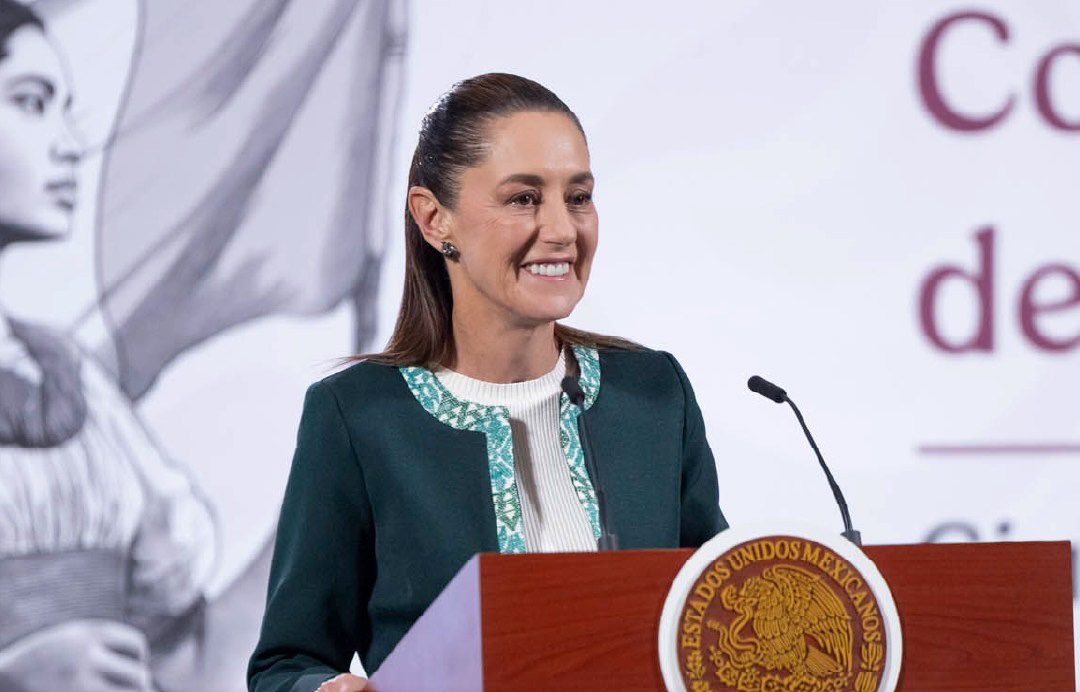
BGA Managing Director for Global Trade and Economics Nydia Ngiow wrote an update on Mexico’s latest tariff announcement.
Mexico’s Senate approved tariff increases of up to 50 percent December 10. Set to take effect next year, the levies will apply to imports from Asian countries with which Mexico does not have trade deals. The move is intended to bolster local industry but was met with strong opposition from business groups. The Ministry of Economy originally submitted a proposal in September as part of the 2026 Economic Package seeking to raise tariffs on 1,463 product lines covering automobiles, toys, steel, plastics and other goods from countries without free trade agreements. Following lobbying from Asian countries and pushback from Mexico’s private sector and legislators, the proposal was ultimately scaled back with approved tariffs lower than those initially proposed.
Companies should note that these tariffs appear to be driven less by traditional industrial policy and more by external geopolitical and fiscal considerations. The move is widely viewed as an effort to align more closely with U.S. priorities ahead of the 2026 joint review of the U.S.-Mexico-Canada (USMCA) trade agreement, which Mexico and Canada initially expected to be largely procedural. The United States has been pushing countries in Latin America to limit economic engagement with China as competition for influence in the region intensifies. Mexico’s actions indicate responsiveness to that pressure. The tariff increases are expected to generate US$3.8 billion in additional import revenue next year, an 8.3 percent increase from 2024. This underscores how tariffs are useful in raising revenue as Mexico seeks to reduce its federal deficit.
More broadly, Mexico’s actions highlight a growing, concerning willingness among U.S. partners to accept legal and commercial risk by adopting selective, most favored nation-inconsistent trade measures in exchange for strategic or political alignment with Washington. This signals a shift in approach among countries that have attracted Chinese investments to skirt increasing protectionist measures from Washington. While this might be harder to replicate in Southeast Asia, where governments continue to hedge between the United States and China, the precedent is notable and demonstrates how protectionist policies increasingly intersect with geopolitical considerations. As U.S. tariff policy itself increasingly tests the boundaries of domestic and international trade rules, this could mark the start of proliferating protectionist measures globally, further eroding adherence to World Trade Organization (WTO) obligations and increasing uncertainty for companies operating across global supply chains.
If you have any questions, please reach out to BGA Managing Director for Global Trade and Economics Nydia Ngiow, Head of Research Murray Hiebert, Senior Adviser Larry Greenwood or Senior Adviser James Carouso.
Best Regards,
BGA Global Trade and Economics Team