















Road to Yaoundé: Most Consequential Ministerial Conference in WTO History?
BGA Global Trade and Economics Managing Director Nydia Ngiow wrote an update to clients curtain-raising the World Trade Organization’s14th ministerial conference.
Context
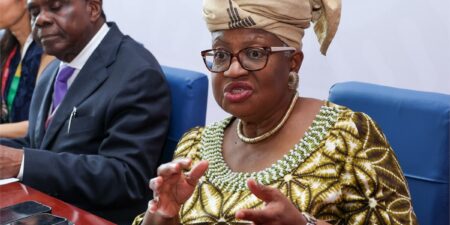
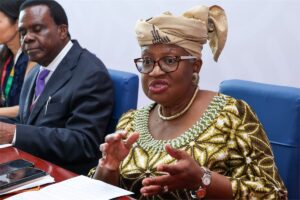
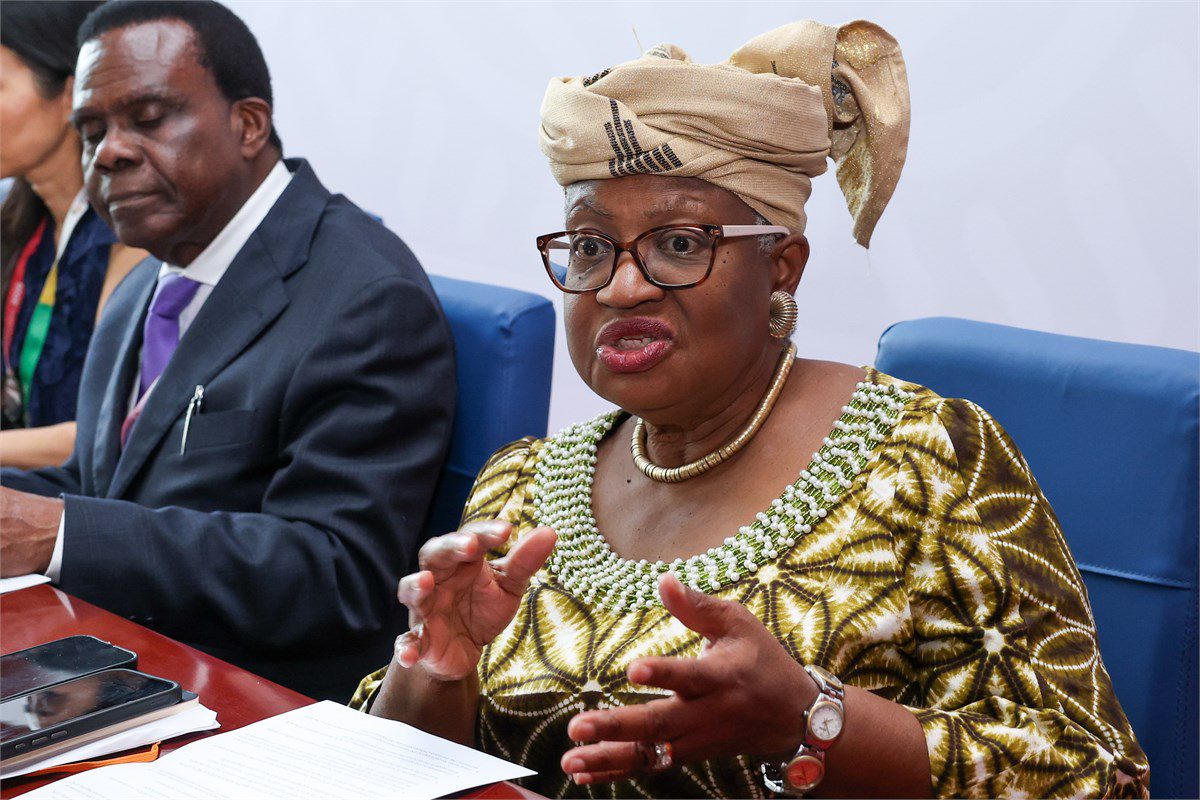
- The World Trade Organization’s (WTO) 14th ministerial conference (MC14) is set to convene March 26-29 in Yaoundé, Cameroon, against a backdrop of acute multilateral stress. Between Washington’s aggressive use of unilateral tariff measures, a nonfunctional WTO appellate body and deepening geopolitical trade fragmentation, the rules-based trading system is facing its most serious test since the post-war trade-based system was established in 1947. It is of no surprise that Director-General Ngozi Okonjo-Iweala described the conference as a “turning point ministerial,” with its outcomes determining whether the WTO will still remain relevant in a rapidly changing global economy.
- The conference is deliberately scoped to be focused and realistic. The “road to Yaoundé” road map emphasizes a short ministerial focused on reform and political signaling rather than complex negotiations with binding outcomes, with most of the preparatory work anchored in Geneva ahead of the conference. Companies should view the conference as pivotal for determining the WTO’s direction (and existence) through 2027 and beyond.
Significance
- Regardless, companies should also expect a more structural shift toward middle-power-led plurilateralism that should be considered in regulatory and market access planning moving forward. The regulatory center of gravity for issues such as digital trade, investment and services is likely to shift towards the like-minded economies, such as those in the Comprehensive and Progressive Agreement for the Trans-Pacific Partnership (CPTPP) and the European Union. For its part, China engages selectively to protect its industrial policy space and influence outcomes.
- Companies with significant operations in these markets will increasingly operate under a high-standard rules framework that may increasingly diverge from the rules applicable to markets outside that coalition. Although the EU-CPTPP axis may find itself at odds with the African Continental Free Trade Area (AfCFTA), this is potentially an area where companies can submit public-private partnerships to support capacity building in the developing and least-developed economies across Africa and South Asia. This could ensure that the markets will be supportive as an emerging middle-power coalition looks to consolidate the rules-based trade agenda going forward.
Implications
- The administration of U.S. President Donald Trump has largely ignored the WTO and many of its rules during its first 14 months in office, but it may be looking to play a more forward-leaning role in reforms. Ahead of the conference, the Office of the U.S. Trade Representative released an updated report outlining areas for WTO reform, including a call to reevaluate the applications of special and differential treatment, the most-favored-nation principle and the essential security exception. It also advocated for a way to incorporate certain types of plurilateral agreements into the WTO architecture. Notably, having blocked appointments to the WTO’s Appellate Body since 2017, this reform paper glaringly omitted any suggestions on overhauling the dispute-settlement mechanism. With the Trump administration’s trade and tariff policies having sidelined the organization, it remains to be seen whether other members will take up these proposals.
- The United States has also through its bilateral discussions sought to push members (notably Indonesia and Malaysia) to agree to a permanent moratorium on customs duties on electronic transmissions. With this being one of the most contentious issues at past ministerial conferences, companies should not rule out U.S. Section 301 action on digital trade practices if an extension of the moratorium is not secured. Washington previously deployed Section 301 investigations against digital services taxes, establishing a precedent for using the statute as leverage in digital trade disputes outside the WTO framework.
BGA will follow up with more updates on this developing situation. If you have any questions, please reach out to BGA Managing Director for Global Trade and Economics Nydia Ngiow, Head of Research Murray Hiebert, Senior Adviser Larry Greenwood or Senior Adviser James Carouso.
Best regards,
BGA Global Trade and Economics Team

×