


















Section 232 Findings on Semiconductors and Critical Minerals Signal Next Phase of US Trade Policy
BGA Managing Director for Global Trade and Economics Nydia Ngiow wrote an update on the U.S. Section 232 findings on semiconductors and critical minerals.
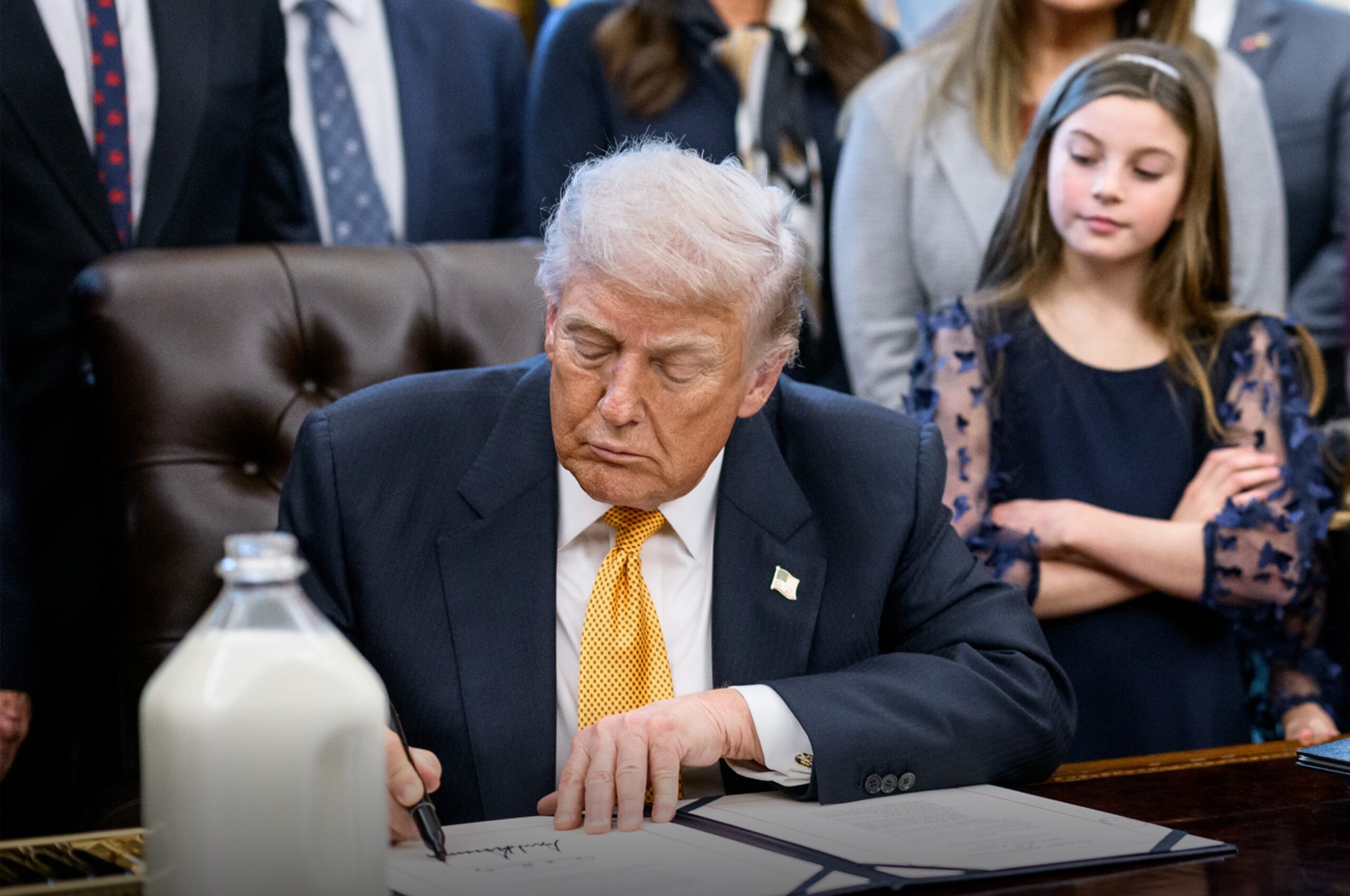
U.S. President Donald Trump issued proclamations on semiconductors and critical minerals January 14. Following investigations, the Commerce Department found that the imports of (a) semiconductors, semiconductor manufacturing equipment and their derivative products and (b) processed critical minerals and their derivative products threatened to impair the national security of the United States. While the underlying findings were broadly similar, the administration adopted markedly different remedies: a phased approach for semiconductors, starting with a 25 percent tariff on a narrow category, and a negotiation-focused approach for critical minerals.
While the tariffs announced would have little immediate effect, companies should note that these actions underscore the administration’s intent to normalize the use of Section 232 as a standing industrial policy tool rather than a one-off trade defense measure. This trend is reinforced by the legal uncertainty surrounding the administration’s expansive use of the International Emergency Economic Powers Act (IEEPA) to impose reciprocal tariffs, with a Supreme Court ruling on its constitutionality still pending but expected very soon. Against this backdrop, Section 232 — grounded in a more well-established statutory framework — offers a more durable and legally resilient pathway for imposing trade restrictions.
For companies, this could potentially increase regulatory uncertainty across a widening range of sectors, particularly those with globally integrated supply chains or exposure to downstream products incorporating targeted inputs. The divergent remedies adopted in the semiconductor and critical minerals cases signal that outcomes will remain highly sector-specific, shaped by supply chain realities, domestic investment commitments and geopolitical considerations rather than a uniform tariff template. Given that many Section 232 investigations were initiated in mid-to-late 2025 and the Commerce Department has now demonstrated a willingness to conclude them (as well as adjust them in the case of furniture), companies should expect a steadier cadence of investigation findings over the coming months, although they may not necessarily lead to immediate tariffs in every case. Negotiated solutions, phased implementation and conditional relief tied to U.S. investment will likely continue to be prominent.
If you have any questions, please reach out to BGA Managing Director for Global Trade and Economics Nydia Ngiow, Head of Research Murray Hiebert, Senior Adviser Larry Greenwood or Senior Adviser James Carouso.
Best regards,
BGA Global Trade and Economics Team