
















Singapore’s 2024 Budget Charts the Course for Future Growth
The BGA Singapore team, led by Managing Director Nydia Ngiow, wrote an update to clients on Singapore’s 2024 budget.
Context
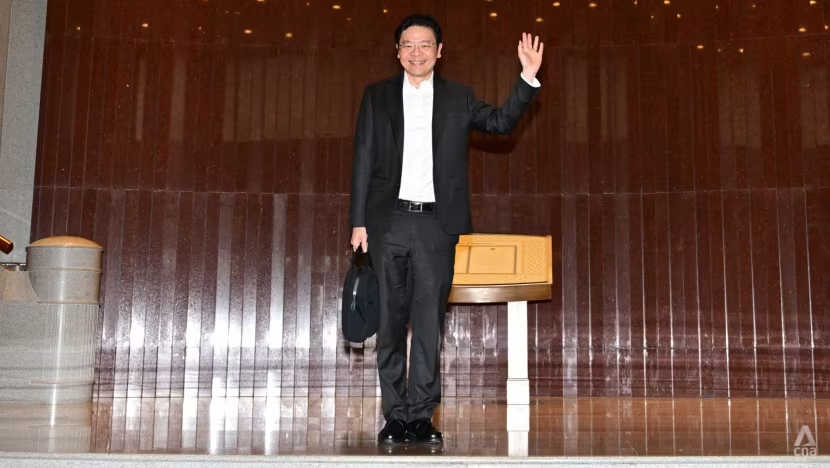
- Singapore’s Deputy Prime Minister and Finance Minister Lawrence Wong tabled the government’s 2024 budget in Parliament on February 16, positioning the country to maintain strong economic growth amid geopolitical uncertainties weighing on the global economy. The budget seeks to address immediate domestic challenges and the impact of rising costs while committing to longer-term investments to drive stronger economic growth, better jobs and cultivate lifelong learning for Singaporeans.
- Most likely the last budget Wong will present before taking over as prime minister and with the correspondingly short runway before the next general elections, the budget expectedly includes vote-winning “goodies” to alleviate cost-of-living pressures while notably excluding the tax increases in past budgets that supported increased social spending. This is typical of the pragmatic, balanced and forward-looking approach by the ruling People’s Action Party (PAP) and attests to the 4G’s commitment to echo their predecessors’ longstanding strategies.
Significance
- This year’s SGD 131.4 billion ($97.5 billion) budget, marginally higher than 2023, marks the Singapore government’s first planned surplus in seven years of an estimated SGD 800 million ($594 million), or 0.1 percent of Singapore’s GDP.Even with significant investments, this signals the government’s re-balancing of its budget especially after sizeable deficits during the pandemic.
- Amid the fiercely competitive global economic landscape, Singapore seeks to maintain its competitive advantage by focusing on sectors where it leads while branching into new and emerging spaces. This includes significant investments in the Financial Sector Development Fund, Research, Innovation, and Enterprise (RIE 2025), National AI Strategy 2.0 and Future Energy Fund.
Implications
- Companies should consider collaborating with the 4G-led government to pioneer innovative strategies in new growth areas such as fintech, biotech and cleantech that can preserve the country’s social identity, sustain economic prosperity and increase Singapore’s global standing.
- With shifts targeted at greater inclusivity and community building, the business community should pay close attention to how it might be able to play a role in shaping and strengthening the social compact, particularly as it relates to narrowing the wage gaps between skilled tradesmen and knowledge-based workers and a greater focus on skills, including substantive reskilling and upskilling. Businesses should explore opportunities for mid-career professionals, which fall under the policy shifts of Respecting and Rewarding Every Job and Embracing Learning Beyond Grades.
We will continue to keep you updated on developments in Singapore as they occur. If you have any comments or questions, please contact BGA Singapore Managing Director Nydia Ngiow at nngiow@bowergroupasia.com.
Best regards,
BGA Singapore Team

×