















US Supreme Court Strikes Down Tariffs for Emergency Purposes but Uncertainty Remains
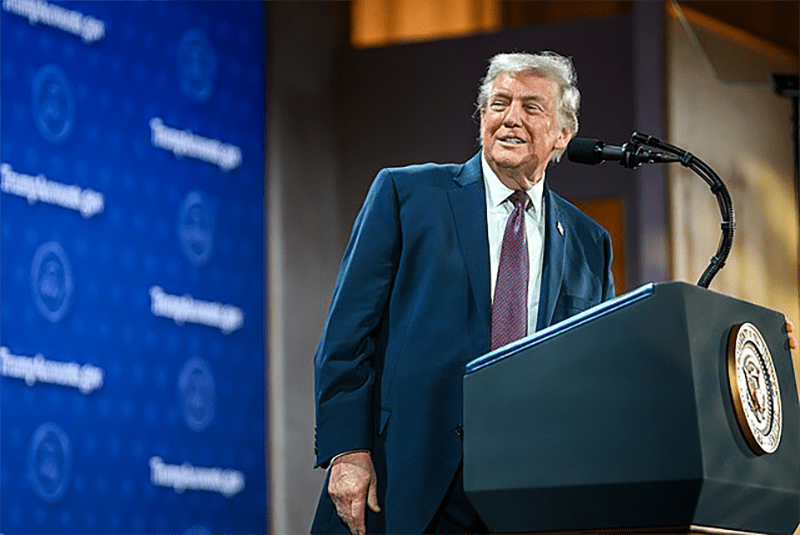
BGA Managing Director for Global Trade and Economics Nydia Ngiow wrote an update to clients regarding the U.S. Supreme Court ruling President Trump’s emergency tariffs as illegal.
Context
- The U.S. Supreme Court ruled February 20, that it was illegal for President Donald Trump to use the 1977 International Emergency Economic Powers Act (IEEPA) to impose “reciprocal” tariffs on nearly all U.S. trading partners. In a rare instance of the conservative-led court reining in Trump’s expansive use of executive power, the 6-3 majority highlighted the need for “clear congressional authorization” to exercise the extraordinary power.
- The White House announced the same day a temporary import surcharge of 10 percent under Section 122 of the 1974 Trade Act for a period of 150 days on the basis of “large and serious United States balance-of-payments deficits.” Trump subsequently announced February 21 on Truth Social that the tariff would be raised to the statute’s maximum rate of 15 percent.. It remains to be seen whether the administration will be held to the requirement to demonstrate a balance-of-payments crisis to use Section 122.
Significance
- The ruling did not specifically address whether the government will have to pay back the tariff revenue it already collected. One justice in his dissent from the majority, said that refunding tariffs already collected could be a “mess” with “significant consequences for the U.S. Treasury,” implying that a refund could be forthcoming. Many companies had already filed protective lawsuits seeking to preserve their ability to claim refunds from the government for tariffs they have already paid, and it is likely that the administration will only decide whether and how to refund tariffs after losing these suits.
- Countries are currently assessing how the latest developments will impact them.
- For countries that have signed formal Agreement on Reciprocal Trade with the United States, such as Bangladesh, Cambodia, Indonesia and Malaysia. their agreements made no reference to IEEPA and should continue to hold. The increased uncertainty arising from the court ruling will likely complicate the ratification process in these countries and make it more difficult domestically to move things along.
- Countries like Japan, Korea and Vietnam have framework agreements in place. The first two countries also pledged massive investments in the United States, which will likely remain for the time being. In the meantime, countries which are still negotiating details in their agreements may wish to consider pushing to include terms on treatment under the Section 232 and/or Section 301 frameworks.
Implications
- Companies should note that the Supreme Court ruling, while definitive on the use of IEEPA, will continue to add to the confusing international trade landscape as countries assess the fallout of this decision on its agreements or existing negotiations. A prolonged period of uncertainty is likely the way forward, which will impact business confidence and supply chain strategies. Tariffs are likely going to be a mainstay for the rest of this current administration, even if questions continue over which alternative instrument will be used.
- It is also important to note that the current use of Section 122 is temporary, and it is unlikely Congress will authorize an extension. As such, companies should be prepared for the administration to start using other legislative tools, particularly Section 232 of the 1962 Trade Expansion Act and Section 301 of the 1974 Trade Act to resume the most recent level of tariffs levied on countries and even more uncertainty in the coming months.
If you have questions or comments, please contact BGA Managing Director for Global Trade and Economics Nydia Ngiow.
Best regards,
BGA Global Trade and Economics Team

×