















USTR Initiates First Tranche of Section 301 Investigations, With More To Follow
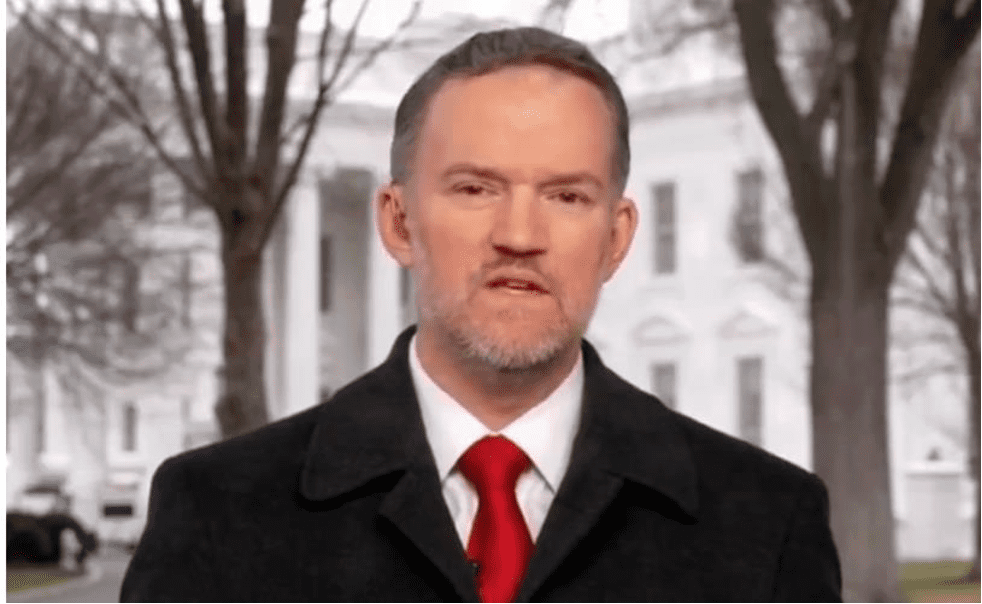
BGA Global Trade and Economics Managing Director Nydia Ngiow wrote an update to clients on the United States Trade Representative’s (USTR) first tranche of Section 301 investigations.
Context
- USTR Jamieson Greer announced March 11 the initiation of investigations regarding the acts, policies and practices of various economies under Section 301(b) of the 1974 Trade Act relating to structural excess capacity and production in manufacturing sectors. These investigations will determine whether those acts, policies and practices are unreasonable and if they discriminate against U.S. commerce. The listed economies subject to these investigations are China, the European Union, Singapore, Switzerland, Norway, Indonesia, Malaysia, Cambodia, Thailand, Korea, Vietnam, Taiwan, Bangladesh, Mexico, Japan and India (as listed in USTR’s release
- This follows the February 20 Supreme Court ruling that struck down U.S. President Donald Trump’s use of reciprocal tariffs based on the 1977 International Emergency Economic Powers Act (IEEPA). Later that same day, Greer announced that several investigations under Section 301 would be initiated on an accelerated timeframe. Investigations usually take 12-18 months, so an accelerated timeframe would be unsurprising given the temporary timeline of the current Section 122 tariffs of 10 percent due to expire in July. Companies should expect more Section 301 investigations on other countries to be launched from now until July, with a view toward these tariffs taking over the Section 122 tariffs.
Significance
- Companies should also note that being listed in this initial tranche does not exclude markets from being listed again in future Section 301 investigations. As China has shown, there can be multiple investigations against a single country. This initial tranche of investigations is focused on countries that allegedly have “structural excess capacity and production in manufacturing,” including those with existing Section 301 investigations. USTR earlier indicated that other areas of concern that could prompt investigations include forced labor, pharmaceutical pricing practices, discrimination against U.S. technology companies as well as digital goods and services and digital services taxes. Investigations based on these issues could still be imposed later. The launch of the investigations also reinforces how tariffs will be a mainstay for the rest of this current administration and will continue to be used as a negotiating tactic following the Supreme Court’s ruling.
- Section 301 allows the president to issue broad tariffs in response to discrimination against U.S. businesses or violation of U.S. rights under trade agreements after an investigation conducted by USTR. Unlike the Section 122 tariffs under the same legislation, Section 301 does not limit the amount of tariffs that can be imposed on a country, and the tariffs can be extended by USTR if requested.
- With Section 301 tariffs having been maintained following legal challenges and therefore “battle tested,” they will likely be the preferred tool of the administration going forward. Investigations are country-specific, but USTR can conduct parallel reviews of a common concern on multiple countries and similarly conduct parallel investigations regarding multiple concerns into a single country.
- This is a commonly used legislative tool, which Trump leveraged to get China to agree to a “phase one” deal in his first term and then initiated a new Section 301 investigation in his second term in October 2025 related to China’s compliance with that trade deal. Former President Joe Biden’s administration also used this to increase tariffs on certain products from China.
- Digital services companies that have not been impacted by tariffs so far may recall that the Trump administration used this tool during his first term to investigate the digital services taxes of 11 countries. Although tariffs were not applied at the time, Trump in February 2025 instructed USTR to determine whether to renew investigations on the digital services taxes on a number of countries, despite the suspension and termination of earlier investigations and tariff proposals. It remains to be seen whether investigations into digital services will resume, especially since USTR referenced this in earlier press releases.
- Among the countries listed, three are existing free trade agreement partners (Korea, Mexico and Singapore), five have signed agreements on reciprocal trade (Bangladesh, Cambodia, Indonesia, Malaysia and Taiwan) and seven have framework agreements (the EU, India, Japan, Korea, Switzerland, Thailand and Vietnam). While some of these agreements have language that cap the amount of Section 232 tariffs, such as those for EU and Japan, none of the agreements currently have any language addressing Section 301 tariffs. While the launch of investigations is likely a negotiating tool for the United States to bring countries to the table with even more concessions, countries that are still negotiating or in the process of finalizing agreements with the United States may wish to include relevant language that caps the amount of tariffs that can be imposed in their respective discussions with the United States.
Implications
- Noting that USTR previously said these Section 301 investigations would be held on an accelerated timeframe, countries should not rule out the possibility that USTR will assert that country-specific negotiations until now may replace the consultations, given USTR’s quick move to public comments. Companies that would like to provide comments should submit them or work with relevant associations to share their inputs here starting March 17. A public hearing will also be held May 5 in connection with the investigations. Should Section 301 tariffs be imposed, these tariffs will stack on top of any existing most favored nation rates and Section 232 tariffs. In cases in which Section 232 and Section 301 tariffs apply to the same goods, for example steel and aluminum products, these will stack cumulatively unless specific exemptions are listed.
- Should Section 301 tariffs be imposed, these tariffs will stack on top of any existing most favored nation rates and Section 232 tariffs. In cases in which Section 232 and Section 301 tariffs apply to the same goods, for example steel and aluminum products, these will stack cumulatively unless specific exemptions are listed.
- Listed markets are currently assessing how the latest developments will impact them. For China, which already has active Section 301 tariffs and investigations against them, the latest action calls to question how this might impact the summit between Trump and Chinese President Xi Jinping from March 31-April 2, especially since working-level officials have already started preparatory work on discussions. Korea will likely tread carefully given an existing petition for USTR to initiate a Section 301 investigation over its tech policies. India already postponed its working visit to the United States to finalize discussions of its bilateral deal after the Supreme Court ruling. It is not clear when these discussions will resume. Japan is hosting the Indo-Pacific Energy Security Ministerial and Business Forum from March 14-16, which will be attended by U.S. government officials and could provide a platform to discuss this issue further. Japanese Prime Minister Sanae Takaichi will visit Washington around March 20.
BGA will follow up with more updates on this developing situation. If you have any questions, please reach out to BGA Managing Director for Global Trade and Economics Nydia Ngiow, Head of Research Murray Hiebert, Senior Adviser Larry Greenwood or Senior Adviser James Carouso.
Best regards,
BGA Global Trade and Economics Team

×