
















60 Economies, 2 Tariff Rates, Many Deadlines: USTR’s Section 301 Tariffs Taking Shape With Forced Labor Findings
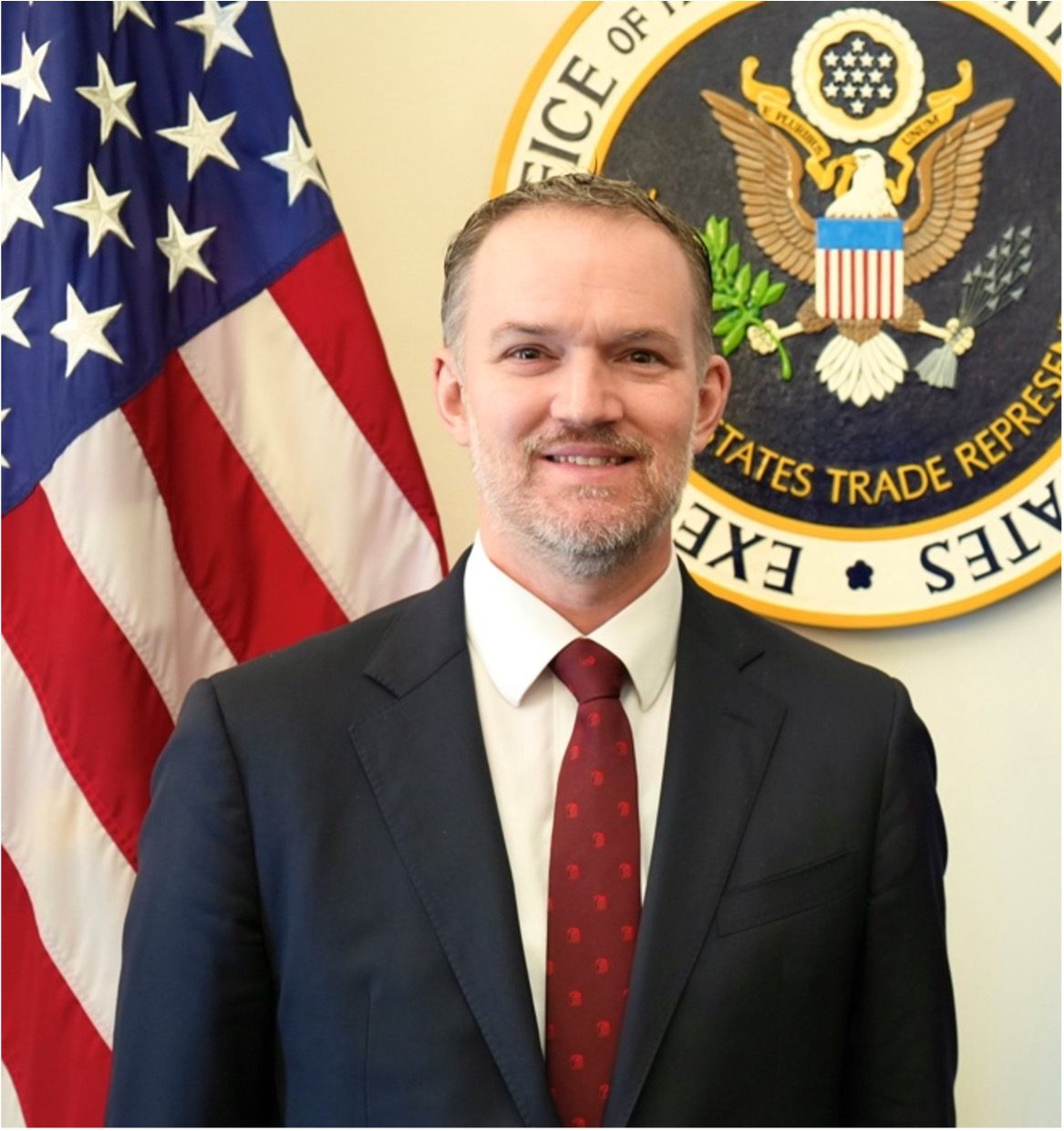
BGA Managing Director for Global Trade and Economics (GTE) Nydia Ngiow wrote an update to clients on the USTR Section 301 forced labor investigations.
Context
- The U.S. Trade Representative (USTR) announced June 2 that all 60 economies against which it had initiated Section 301 investigations in March had failed to impose and effectively enforce a prohibition on importing goods produced with forced labor. USTR determined that this failure has burdened or restricted U.S. commerce.
- USTR proposed additional duties of either 10 percent or 12.5 percent on all products of the investigated economies, except as provided for in its Federal Register notice. So far, USTR has proposed lower rates primarily for markets that impose a forced labor import prohibition (Canada, Ecuador, the European Union, Indonesia, Mexico, and Pakistan) or for markets that have undertaken commitments on forced labor import prohibitions in their reciprocal trade agreements, including Bangladesh, Cambodia, Indonesia, Malaysia and Taiwan.
- The Section 301 investigation on excess manufacturing capacity is ongoing with USTR expected to announce its proposed determination in the coming days. Most of these reciprocal trade agreement partners (as well as China, India and the Association of Southeast Asian Nations, with the exception of the Philippines) are also subject to this investigation, which would likely stack against the current proposed tariffs for forced labor.
Significance
- The lower tariff rates accorded to Agreement on Reciprocal Trade (ART) partners may push these economies to kickstart domestic ART ratification processes. Most of these economies faced significant domestic backlash for concessions made during negotiations and ultimately paused ratification after confusion over the status of their agreements when the Supreme Court ruled that reciprocal tariffs were illegal. This may also push economies like Thailand and Vietnam to accelerate their bilateral trade negotiations with the United States and make similar commitments on forced labor prohibitions as soon as possible, because these markets will also need to factor in additional tariffs from other Section 301 investigations.
- The administration intended for the Section 301 tariffs to essentially replace the reciprocal tariffs originally in place, which raises the question whether markets such as the Philippines, which is not subject to the Section 301 investigation on excess manufacturing capacity, will end up with lower tariff rates than what was originally agreed upon. The Philippines’ absence from the excess capacity investigation may prove to be a significantly consequential variable in reshaping Southeast Asian manufacturing investment flows. The administration’s response to that dynamic will test whether its tariff architecture was truly designed to level the playing field or simply to extract bilateral concessions economy by economy.
- USTR is also proposing a textile mechanism that would allow for a certain volume of apparel and textile imports to enter the United States at a reduced Section 301 tariff rate. The volume of reduced-duty imports from certain trading partners would be equivalent to the quantity of exports of textiles or cotton and cotton products from the United States to that partner.
Implications
- Companies should expect further developments on these investigations in the coming weeks if the administration intends to have the Section 301 tariffs in place in time to replace the Section 122 tariffs of 10 percent, due to expire July 24. As of now, the additional duties from the forced labor investigations are only proposed actions, and comments can be submitted by July 6, with hearings on the proposed actions in these investigations to be held July 7. However, these proposed rates should be treated as a floor, not a ceiling, as companies start to think about their planning for 2027.
- Companies must be aware of their priority products to the eight-digit level of harmonized system codes to determine whether the proposed tariffs are applied. The Federal Register notice includes an annex of harmonized tariff schedule subheadings that will be exempted from the Section 301 tariffs. Other exemptions include those currently subject to Section 232 tariffs, raw materials that if subject to the additional tariffs could lead to the unavailability of domestic supply, products that if subject to additional tariffs could cause economy-wide disruptions, and products that cannot be grown or produced in sufficient quantities in the United States.
We will continue to keep you updated on this developing situation. If you have any comments or questions, please contact BGA Managing Director for GTE Nydia Ngiow at nngiow@bowergroupasia.com.
Best regards,
BGA GTE Team

×