
















Singapore’s Cabinet Reshuffle Signals Continued Generational Transition Amid Recent Departures
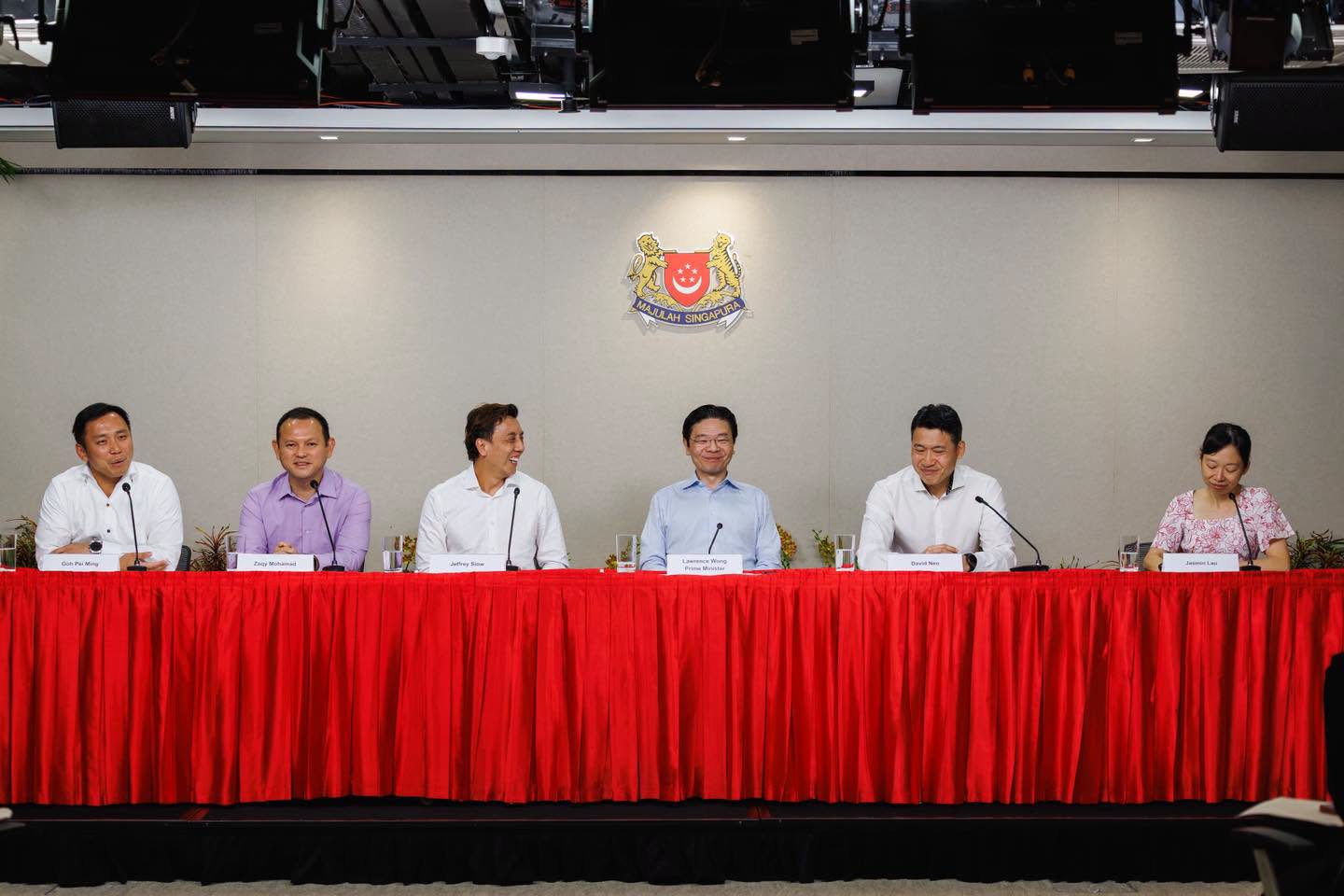
The BGA Singapore Team, led by Managing Director Nydia Ngiow, prepared an update for clients on the Singapore’s recent Cabinet changes.
Context:
- Prime Minister Lawrence Wong announced new Cabinet changes July 22, a year after the 2025 general elections and the last major reshuffle. The changes reflect a mix of continuity at the top and calibrated promotions further down the bench. Two recent departures – former Senior Minister of State Koh Poh Koon stepped down from his Manpower and Health portfolios citing family reasons, and former Acting Minister-in-Charge of Muslim Affairs Faishal Ibrahim resigned earlier this week – had already fueled speculation that a reshuffle, at least at the junior levels, was imminent given the gaps that needed to be filled.
- Stability is the clear organizing preference. With portfolios largely unchanged at the senior level and Singapore set to be the Association of Southeast Asian Nations (ASEAN) chair next year, it is increasingly likely that ministers will hold their current briefs through that period rather than face further disruptions. Additionally, the Ministry of Trade and Industry will be renamed the Ministry of Energy, Trade and Industry, signaling increasing focus on the energy security.
Significance
- Against this backdrop, Wong’s announcement is comparatively modest given the absence of wholesale changes at the top. With the formalizing of Ministry of Energy, it is clear structural signal that energy security and industrial transformation now warrant dedicated ministerial bandwidth. On the other hand, foreign affairs and national security remain anchored by more senior hands, even as fourth-generation leaders (4G) are entrenched elsewhere
- The reshuffle of the Cabinet also carries an outsized signal of confidence in several younger officeholders. First-term members of Parliament and former civil servants were brought in as ministers of state, entering directly into junior office. This becomes important for businesses who can seek to build relationship with the younger officers, benefitting them in long run.
Implications
- Companies should plan around continuity in trade, energy, digital and economic counterparts through Singapore’s ASEAN chair year, rather than anticipate another near-term reshuffle. Jasmin Lau’s dual portfolio is likely to be challenging for a first-term member of Parliament, given GovTech’s active agenda and the political sensitivity of the Manpower portfolio. As a result, businesses should expect some dilution of attention to the digital brief, at least in the near term.
- Companies should read Wong’s decision to prioritize continuity and bench depth over disruption as a signal that policy direction will remain broadly stable, even as newer officeholders gain responsibility. Ng Chee Meng’s return to Cabinet as minister in the Prime Minister’s Office reinforces the government’s emphasis on labor and workforce issues, making manpower engagement especially important for businesses. At the same time, the political sensitivities around Ng’s comeback mean companies should expect careful messaging and gradual policy movement rather than abrupt shifts in the near term.
Questions or comments can be directed to Managing Director Nydia Ngiow at nngiow@bowergroupasia.com. BGA can provide additional detail or bios on any of the officeholders above upon request.
Best regards,
BGA Singapore Team

×