















US-China Post-Summit Readout: Agreed Outcomes and Divergent Records
BGA China Adviser Eric Wang and Director Sam Overholt wrote a client update on the September 2026 summit between Presidents Donald Trump and Xi Jinping.
Context
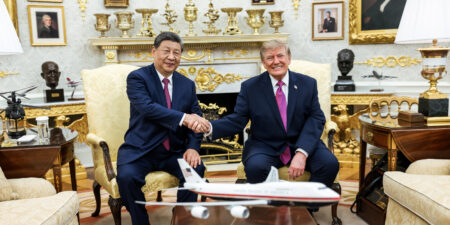
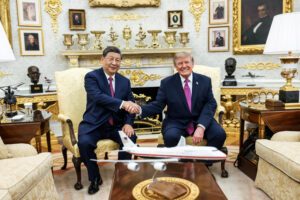
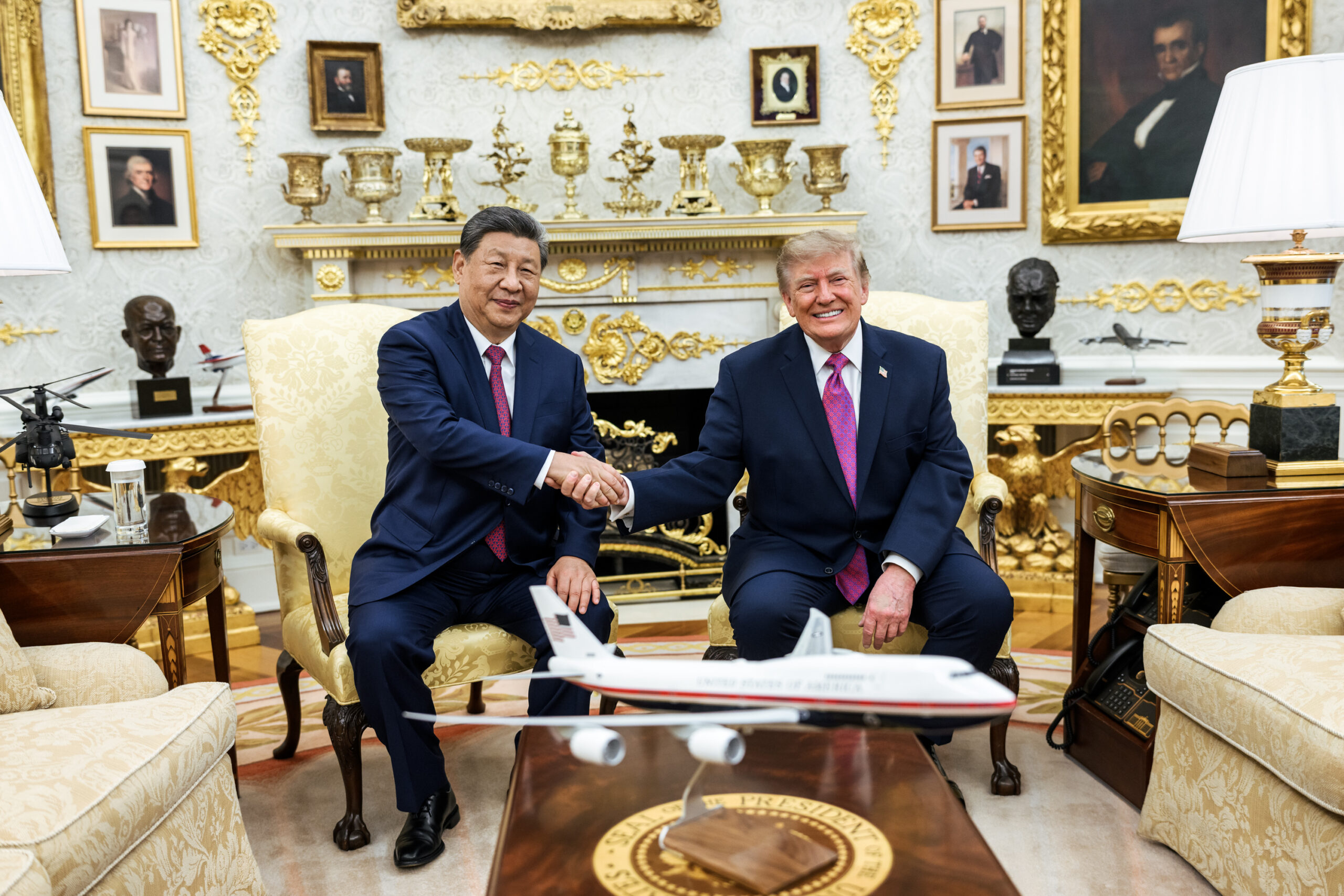
- Chinese President Xi Jinping conducted a state visit to the United States from September 23-25, meeting U.S. President Donald Trump at the White House September 24. The White House published its fact sheet September 25, and Xinhua released an account of eight agreed outcomes the following day. More information about the Board of Trade was released by the White House September 27, including the terms of reference and proposed lists of goods recommended for reduced tariff treatment. China’s Ministry of Commerce (MOFCOM) published its own readout and both lists September 28.
- The summit focused on developments in trade, AI, and security, though the more significant shift may be in the language each government adopted. The White House fact sheet commits the two countries to building a constructive relationship of strategic stability on the basis of respect, fairness and reciprocity. That designation originated in Beijing, which drafted it for the May summit, and it now opens with respect, a standard term in Chinese diplomatic usage. The fact sheet also notes that the two countries fought as allies in World War II, a theme Chinese officials have promoted consistently and one that carries implications for the post-war settlement. Bessent used the same vocabulary in his own remarks before the summit, saying the administration wanted strategic stability based on reciprocity and fairness.
Significance
- The Busan arrangement, due to expire on November 10, was extended to January 10. Bessent characterized the two months as time to establish whether a broader agreement is achievable, stating that he could not say whether one would be concluded or whether the parties would roll the existing terms forward. He also noted that Chinese performance against certain deliverables had fallen short. The extension does not appear in the White House fact sheet. MOFCOM confirmed it September 28 and said both sides will seek a further extension before the end of the year.
- The two leaders agreed to adopt the term “super intelligence” (SI) in place of AI; established a bilateral Super Intelligence Dialogue, with a first exchange due by November 2026; and agreed to establish a communication channel for SI incidents. The two sides did not agree on guardrails covering open-weight or closed-weight models, which the U.S. delegation had pressed for in New York. Xi’s stated emphasis was on keeping the technology under human control. Beijing has not adopted the new term: MOFCOM refers to an “AI dialogue” led by He Lifeng and Bessent, and the Foreign Ministry on September 28 kept to “AI” and stressed the United Nations’ central role in global AI governance.
Implications
- The trade truce was extended only two months, instead of the widely anticipated one year. Companies should note that while the commercial outcome was narrower than most forecasts had assumed, the next two presidential meetings are already being planned for Shenzhen and Miami before the updated truce lapses in January. The more substantive movement on tariffs, rare earths or market access will likely take place there on the sidelines of the Asia-Pacific Economic Cooperation summit or the G20 summit.
- Companies should temper expectations for a broad settlement in Shenzhen and plan for continued uncertainty, even as the next leaders’ meeting offers another opportunity for incremental progress.
We will continue to keep you updated on developments in China as they occur. If you have any comments or questions, please contact BGA Adviser Eric Wang at ewang@bowergroupasia.com or Director Sam Overholt at soverholt@bowergroupasia.com
Best regards,
BGA China Team

×