
















US Tightens Controls on Chinese Access to Overseas AI Computing Capability
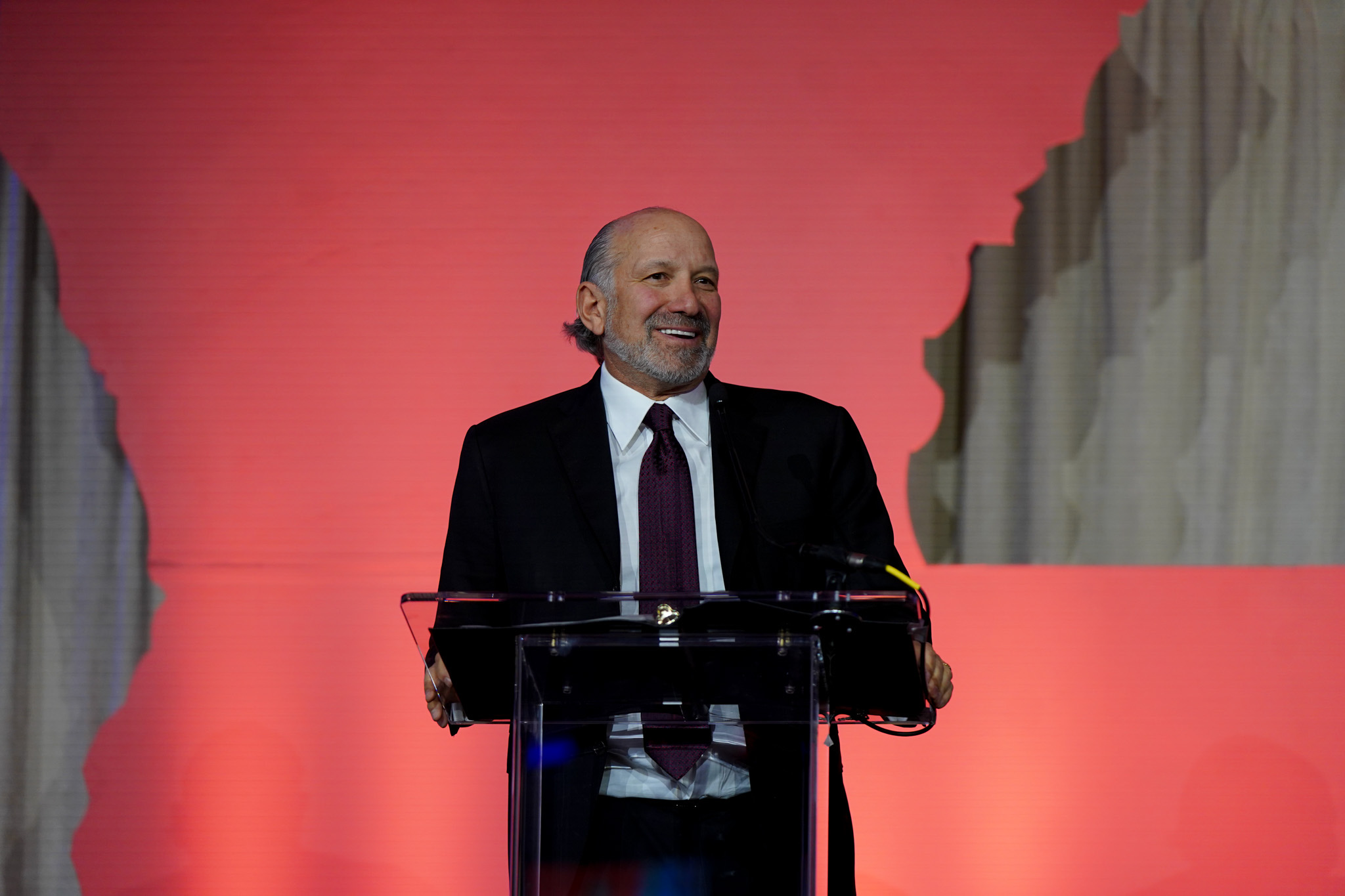
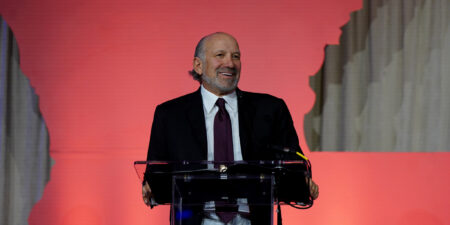
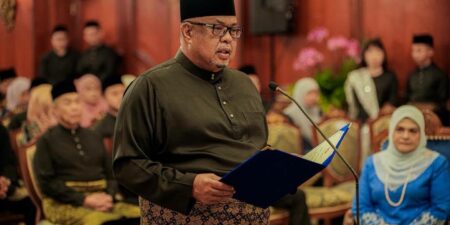
BGA Technology Senior Director William Heidlage and BGA Managing Director for Global Trade and Economics Nidya Nigow provided an update to clients on new U.S. restrictions targeting Chinese access to advanced AI computing capacity.
Context
- The U.S. Department of Commerce’s Bureau of Industry and Security (BIS) has significantly expanded the scope of semiconductor controls by targeting not only advanced chips themselves but also the computing powers those chips provide. The new interim final rule closes a growing avenue through which Chinese companies have accessed advanced U.S. technology indirectly via overseas data centers.
- The rule introduces a worldwide licensing requirement for large-scale computing services provided to companies headquartered or ultimately parented in China, Macau, and other U.S. arms-embargoed jurisdictions. In practice, the threshold is designed to capture the advanced GPU clusters commonly used to train and run frontier AI models.
- The rule also establishes new licensing requirements for shipments of covered advanced computing items to Indonesia, Malaysia, Singapore, Thailand, and Brazil, reflecting Washington’s growing concern that third-country markets could serve as pathways for technology diversion.
- The new framework arrives at a pivotal moment in U.S.-China technology competition. Issued on the eve of the Trump-Xi meeting at APEC in Shenzhen, the measure underscores Washington’s increasing willingness to use control over advanced computing infrastructure as a strategic instrument of economic and national security policy.
Significance
- The most important shift is conceptual. U.S. policymakers are increasingly treating control over compute as important as control over chips. The focus is no longer solely on physical exports but on whether restricted entities can access advanced computing capability anywhere in the world.
- Southeast Asia now sits at the center of this competition. Over the past several years, Singapore, Malaysia, Thailand, and Indonesia have emerged as important destinations for hyperscale data centers, cloud infrastructure, and AI-related investment. The new controls place many of these deployments under greater regulatory scrutiny.
- Data center operators, hyperscalers, neocloud providers, and colocation firms face immediate compliance challenges. Companies will need stronger mechanisms to identify ultimate customers, trace ownership structures, monitor end-use, and determine whether computing services are being provided directly or indirectly to restricted entities.
- The rule also creates incentives for Southeast Asian governments to strengthen export-control enforcement and demonstrate that advanced U.S. technology will not be diverted. Access to future AI infrastructure investment may increasingly depend on a country’s ability to meet Washington’s technology-security expectations.
Implications
- Companies operating AI infrastructure in Southeast Asia should expect higher compliance costs, expanded customer due diligence requirements, and increased regulatory engagement. Existing commercial arrangements may require review, restructuring, or additional licensing.
- Governments across the region will face growing pressure to balance relationships with both Washington and Beijing while maintaining their attractiveness as destinations for AI and digital infrastructure investment.
- The rule reinforces a broader trend toward fragmentation of the global technology landscape. Businesses should prepare for a regulatory environment in which market access, cloud services, semiconductor supply chains, and AI infrastructure are increasingly shaped by geopolitical considerations.
- More broadly, the IFR signals the emergence of a dual-track U.S. strategy: restricting Chinese access to advanced computing while deepening technology cooperation with trusted partners. Companies should expect future controls to focus increasingly on access to computing power and AI capability rather than solely on hardware exports.
We will continue to keep clients updated on technology, trade, and digital policy developments across the Indo-Pacific. If you have any comments or questions, please contact William Heidlage at wheidlage@bowergroupasia.com or Nydia Nigow at nngiow@bowergroupasia.com.
Best regards,
BGA Technology Team

×