















Malaysia’s Melaka State Election: Barisan Nasional Retains Control with Stronger Mandate
BGA Malaysia Managing Director Hafizin Tajudin wrote a client update on the Melaka state election.
Context
- The Barisan Nasional (BN) and Perikatan Nasional (PN) alliance’s landslide victory in Melaka November 14 completes its sweep of Malaysia’s three southern states, demonstrating the growing effectiveness of BN-PN cooperation and strengthening the alliance ahead of Malaysia’s next general election. Although the result was a significant setback for Prime Minister Anwar Ibrahim’s Pakatan Harapan (PH), the federal government remains stable. However, competing interests within the governing coalition and the approaching election will increasingly influence policymaking and investment decisions.
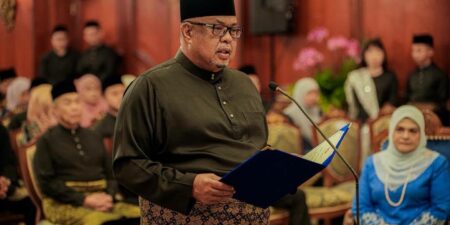
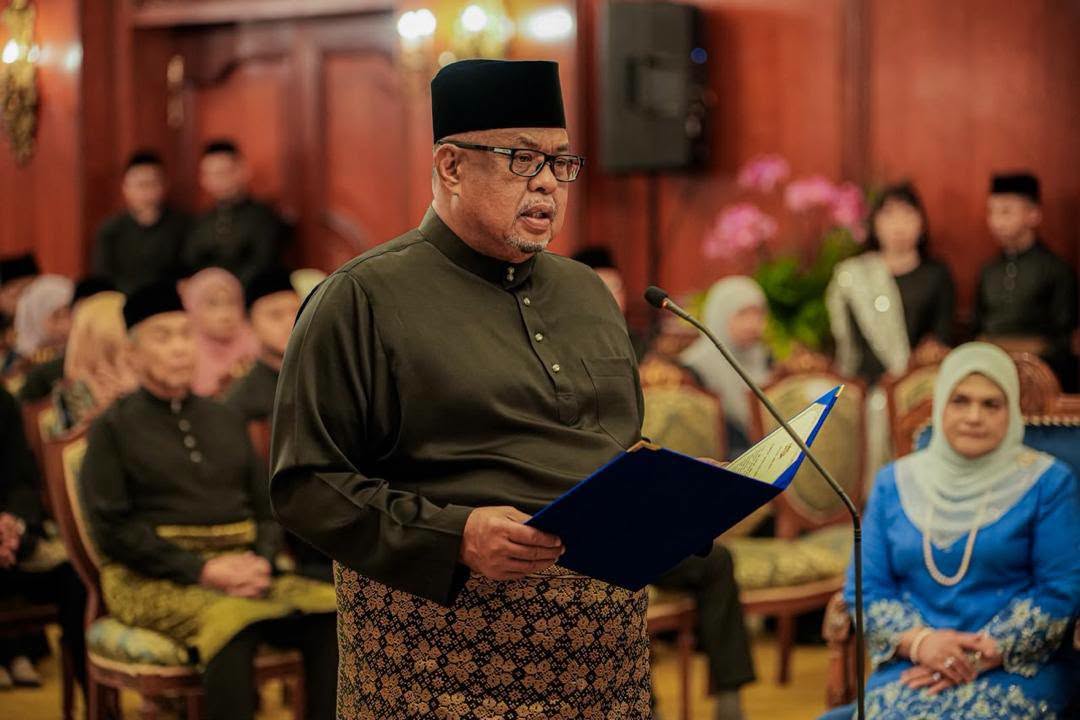
- The BN-PN alliance won 24 of Melaka’s 28 state assembly seats November 14, securing a two-thirds majority. BN won 21 seats, matching its 2021 tally but securing larger winning majorities in all constituencies it successfully defended, while PN increased its representation from two to three. Prime Minister Anwar’s PH won the remaining four seats. BN’s Ab Rauf was sworn in for a second term as chief minister November 15.
Significance
- The result completes BN’s sweep of Malaysia’s three southern states, following victories in Johor in July and Negeri Sembilan in August. The successive victories highlight the electoral benefits of cooperation between BN, led by the United Malays National Organization (UMNO), and PN, whose principal party is the Islamist Parti Islam Se-Malaysia (PAS). By avoiding direct contests and consolidating Malay support, the two coalitions may have found a workable electoral formula ahead of the next general election.
- The victory will increasingly put BN and Anwar’s PH-led coalition at odds, despite their continued partnership in the federal government. BN holds 30 of Parliament’s 222 seats and remains an important component of Anwar’s administration, while simultaneously cooperating with PN, which sits in the federal opposition. The electoral success of this arrangement strengthens BN chairman and Deputy Prime Minister Zahid’s position to press for an early general election.
- However, Anwar has little incentive to call an early election because his government retains a comfortable parliamentary majority, further reinforced by a confidence and supply agreement with 13 lawmakers in October. Nevertheless, electoral considerations are expected to intensify as the current Parliament approaches its scheduled dissolution in December 2027, with the next general election potentially taking place earlier in the second half of 2027. The election must be held by February 2028 if Parliament serves its full term.
Implications
- Policy continuity remains the base case, but political considerations will become increasingly important. BGA does not expect significant changes to Malaysia’s economic, industrial or investment policy direction. The federal government retains sufficient parliamentary support to implement its agenda, and both BN and PH have an interest in maintaining economic stability ahead of the next general election. However, the growing divergence between their electoral strategies could complicate political coordination, particularly on sensitive policy decisions.
- The more immediate risk for businesses lies in policy execution rather than policy reversal. As electoral competition intensifies, major investments, infrastructure commitments and regulatory decisions may face greater political scrutiny. Projects involving substantial public funding, land approvals or federal-state coordination could become more sensitive to competing political priorities. Companies should anticipate greater emphasis on demonstrable domestic economic benefits, particularly quality employment, local supplier participation and technology transfer.
- In Melaka, Ab Rauf’s continued leadership provides administrative continuity and should support the implementation of existing investment commitments. The immediate watchpoint will be the composition of the new State Executive Council, particularly the portfolios allocated to PN representatives and any implications for local regulation. As the general election approaches, political considerations are likely to have a greater bearing on the timing, implementation and prioritization of policies, even where the underlying policy direction remains unchanged.
If you have any comments or questions, please contact BGA Malaysia Managing Director Hafizin Tajudin at htajudin@bowergroupasia.com.
Best regards,
BGA Malaysia Team

×