

















Gulf Crisis Reinforces Urgency To Deepen Intra-African Trade
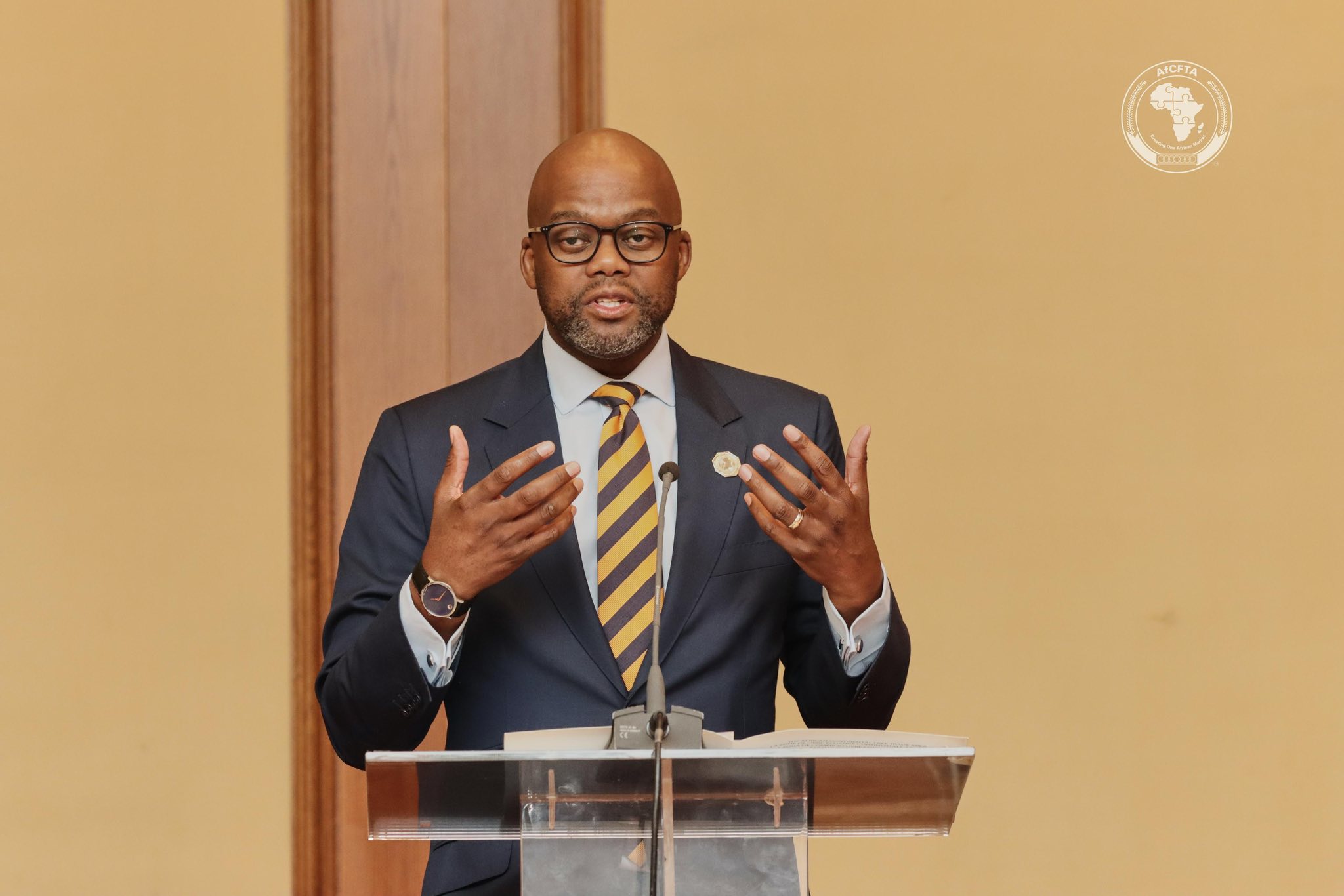
BGA Kenya Managing Director Dickson Omondi wrote an update to clients regarding the impact of the Iran conflict on African countries and the necessity for stronger intra-African trade ties.
Context
- The ongoing crisis in the Middle East has disrupted African supply chains depending on sourcing and logistics from the region, giving a stark reminder of Africa’s vulnerability to external shocks. Most African countries source essential supplies through imports originating from outside the continent, predisposing the continent to global shocks and supply chain disruptions. It is estimated that the Middle East accounts for roughly 16 percent of Africa’s imports, with current disruptions in its energy and fertilizer corridors projected to impact commodity prices, create inflationary pressure and slow economic growth.
- Nevertheless, the continent’s agricultural and manufacturing potential, energy and mineral resources and growing youth population remain strong foundations to close import gaps and drive Africa’s economic transformation. Realizing this potential through deeper intra-African trade will require sustained investment in enabling infrastructure and stronger implementation mechanisms as well as time for all of this to mature. Advancing intra-African trade remains critical to building resilience against external shocks and progressively fast-tracking the continent’s vision as a more united and consequential player in global supply chains.
Significance
- The impact of the crisis on Africa demonstrates both risks and opportunities that are important to Africa’s long-term economic ambition and strategy, through the AfCFTA, to build a single, united market.
- On one hand, global shocks and supply chain pressures require policymakers across the continent to strongly coordinate risk mitigation measures that build long-term resilience. Continental initiatives such as the African Union and the various regional economic communities are important vehicles to lead these initiatives.
- On the other hand, the crisis provides a compelling argument to deepen intra-African trade and fast-track efforts to economically unite the continent into a single free trade area. Deepening intra-African trade is strategic to reducing the current overreliance on external imports, an important consideration to build supply chain resilience. At the same time, bolstering Africa’s capacity to scale domestic industries, with case examples of energy and fertilizer supply chains, is critical to elevating Africa’s position in the global economy and affirming the continent’s potential to be one of the world’s most important markets.
Implications
- While the continent currently imports energy and fertilizer, intra-African trade in both could be strengthened to a much higher degree.
- Africa is rich in both fossil fuel and renewable energy potential, but limited refining capacity means that the continent remains a net importer of petroleum products. Scaling refining capacities across Africa’s major oil producers is important to increase supply, while simultaneously investing in distribution corridors and pipelines that connect Africa. Once these frameworks are in place, the ensuing increased intra-African energy trade will help bridge import gaps, mitigate supply stress linked with global shocks and, in the long run, support Africa’s ambitions for economic transformation.
- Although Africa currently is largely dependent on imported fertilizers, the continent demonstrates great potential to scale manufacturing and trade in fertilizer products. The Dangote Group in Nigeria has reported increased urea fertilizer exports to African countries, most of which would otherwise be imported from the Middle East. Morocco’s potential and export leadership in phosphate-based fertilizers also demonstrates Africa’s potential to scale manufacture and use of high-value fertilizer inputs.
- To improve intra-African trade, both greater policy alignment and increased investment in continental distribution corridors are critical. Policy alignment in routine functions such as digital trade and cross-border movement of goods and services is critical to deepening increased trade in critical economic sectors. It is also imperative for governments to increase collaboration with development finance institutions and private sector players to ensure that capital is effectively translated to plug the gaps in energy and connectivity and to support the growth of intra-African trade.
If you have any questions, please reach out to BGA Kenya Managing Director Dickson Omondi at domondi@bowergroupasia.com or BGA Managing Director for Global Trade and Economics Nydia Ngiow at nngiow@bowergroupasia.com.
Best regards,
BGA Africa Team

×