















India Deepens Strategic and Economic Partnership with Key Indo-Pacific Partners
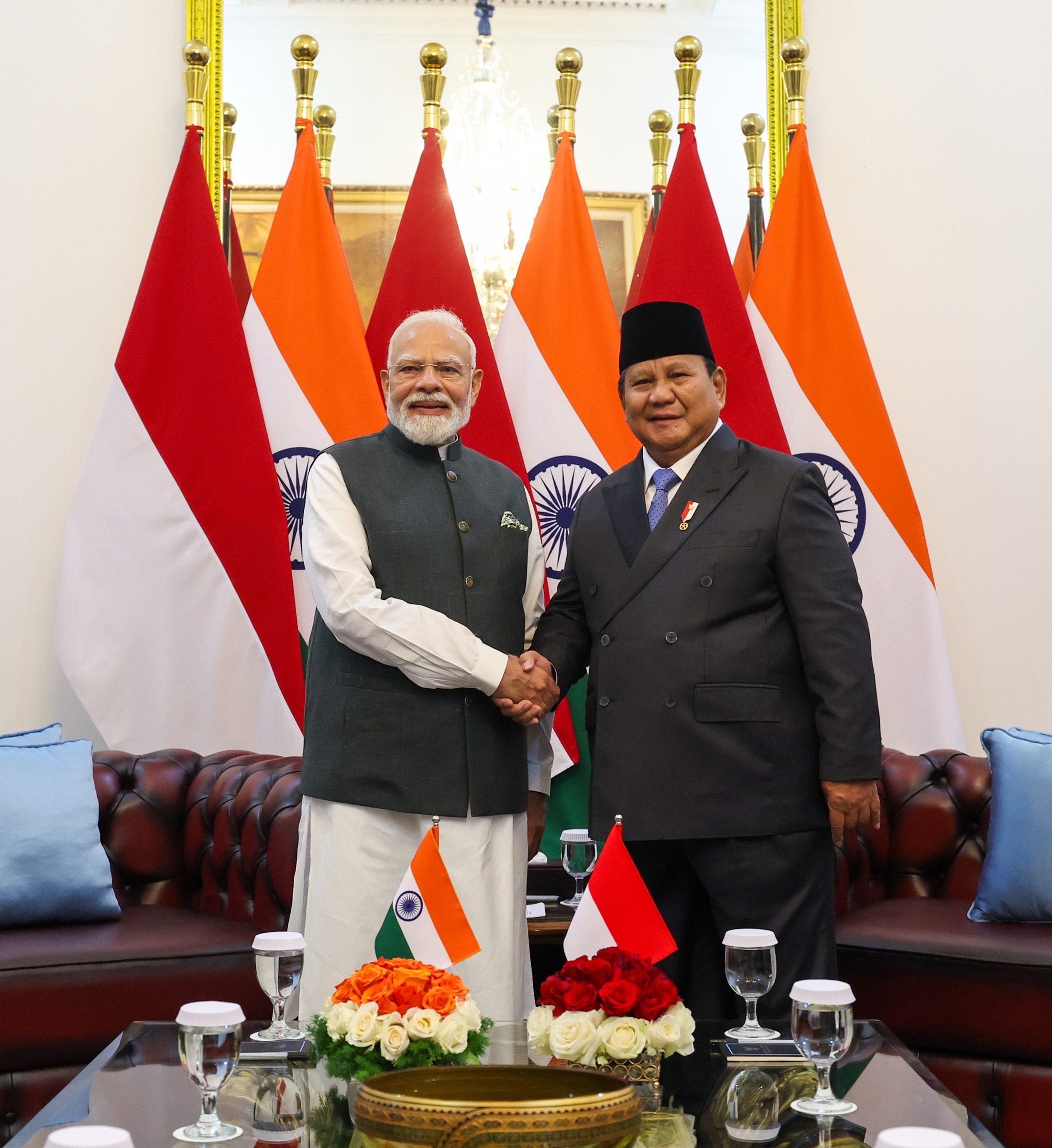
BGA India Managing Director Anuj Gupta prepared an update for clients on Prime Minister Narendra Modi’s tour of Indonesia, Australia and New Zealand.
Context
- Prime Minister Narendra Modi concluded a six-day, three-nation tour of Indonesia, Australia and New Zealand from July 6 to 11, deepening India’s strategic and economic partnerships across the Indo-Pacific. The visit produced several outcomes ranging from signed agreements and memorandums of understanding (MOUs) to standalone announcements, and closing with a strategic partnership with New Zealand.
- Read together, the visits underscore India’s emergence as a key Indo-Pacific economic and security partner, with diplomacy increasingly translating into concrete market access, supply-chain resilience and long-term industrial collaboration. Defense hardware, rare earth processing, manufacturing capacity and free trade agreements stood out as key focus areas. The visit’s key outcomes differed with countries: defense and minerals with Indonesia, emphasis on resource security and technology with Australia and converting a fast-warming relationship into a formal strategic partnership with New Zealand.
Significance
- Prime Minister Modi’s state visit to Indonesia from July 6 to 8, his fourth visit to the country and first bilateral visit since the two countries elevated ties to a Comprehensive Strategic Partnership in 2018, produced 14 MOUs and agreements with six standalone announcements spanning defense, space, healthcare, agriculture, technology and critical minerals.
- Modi visited Australia from July 8 to 10 for the third Australia-India annual summit in Melbourne, co-chaired with Prime Minister Anthony Albanese under the India-Australia Comprehensive Strategic Partnership, signed in 2020. Australia reiterated its support for India’s candidacy for a permanent seat on a reformed UN Security Council. Both leaders reiterated the importance of the Quadrilateral Security Dialogue, including Australia, India, Japan and the United States.
- Modi visited New Zealand from July 10 to 11, the first visit by an Indian prime minister to New Zealand in 40 years. The visit elevated bilateral ties, with deliberately measured trade outcomes, reflecting New Zealand’s domestic political sensitivities ahead of the pending general election, particularly around the India-New Zealand free trade agreement (FTA) and immigration.
Implications
- For companies, particularly those in defense manufacturing, critical minerals, energy, pharmaceuticals and agriculture technology (agri-tech), the tour reinforces a pattern that has held across India’s summit diplomacy this year – de-risking the supply chain and opening new sectors for investment. Defense and critical minerals have seen the strongest breakthroughs with India’s first missile exports to Southeast Asia, a steel and rare earths joint venture in Indonesia and a uranium supply line from Australia, its first outside Russia and France. Dairy and agri-tech players in New Zealand get a doubled target and a strategic partnership to build on.
If you have questions or comments, please contact BGA India Managing Director Anuj Gupta at agupta@bowergroupasia.com.
Best regards,
BGA India

×