
















Malaysia’s Conservative Bloc Builds Momentum With Negeri Sembilan Election Win
The BGA Malaysia Team, led by Managing Director Hafizin Tajudin, wrote an update to clients on the election outcome in Negeri Sembilan.
Context
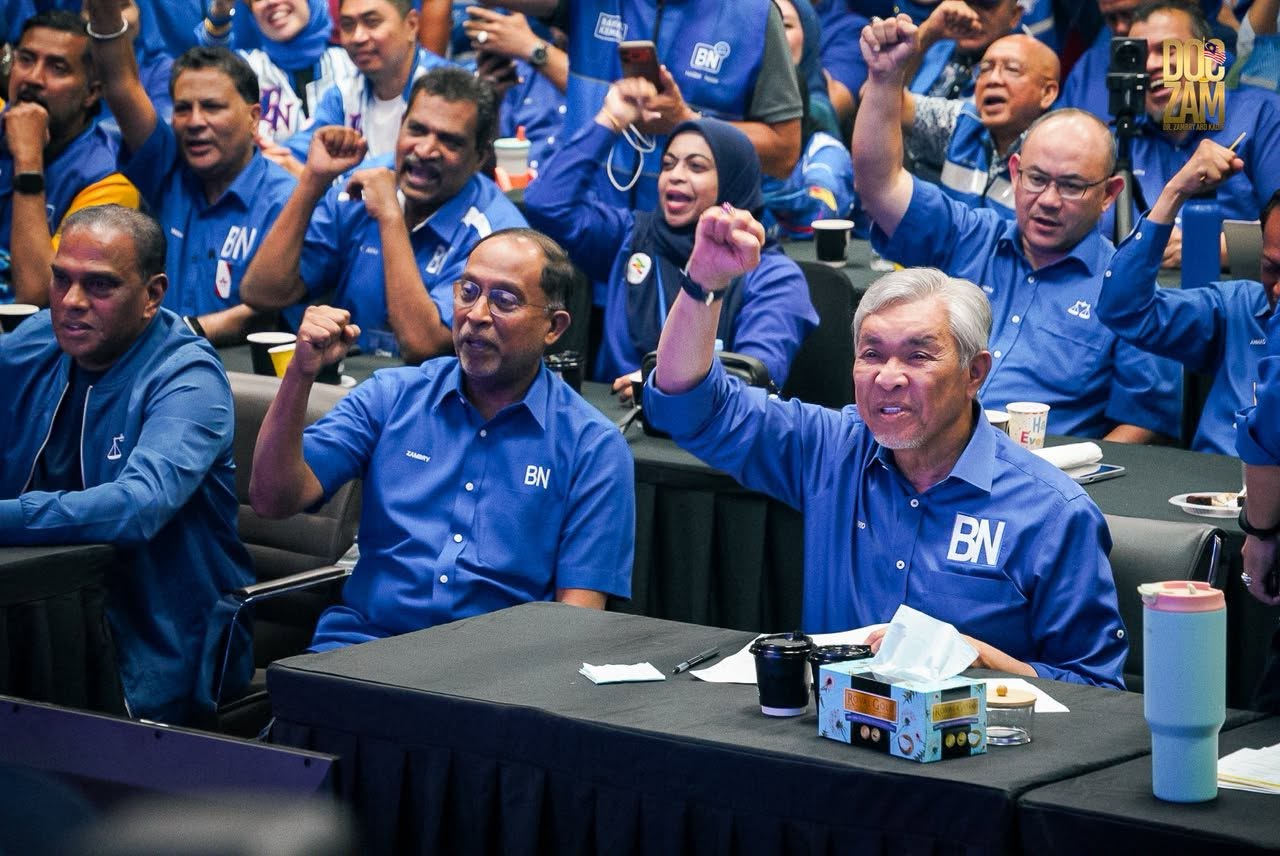
- Malaysia’s Barisan Nasional-Perikatan Nasional (BN-PN) alliance scored a decisive victory in Negeri Sembilan’s state elections August 1. The conservative bloc’s triumph follows its recent landslide in Johor and reinforces political momentum ahead of the Melaka state election and 16th general election. While the result is a significant setback for Prime Minister Anwar Ibrahim’s ruling Pakatan Harapan (PH) coalition, it does not pose an immediate threat to the stability of the federal unity government.
- Malaysia’s economic and investment policy direction is expected to remain broadly unchanged. The government will likely maintain support for foreign investment, particularly in advanced manufacturing, digital infrastructure, strategic industries and the energy transition.
- In Negeri Sembilan, industries and businesses should expect an orderly transition to the new state administration, with some short-term administrative delays. While the state’s investment priorities are unlikely to change materially, companies may face stronger expectations concerning local employment, supplier development, workforce development and technology transfer.
Significance
- Political momentum continues to shift toward Malaysia’s political right. The BN-PN alliance has secured 25 of the 36 seats in the Negeri Sembilan State Legislative Assembly, reinforcing the growing electoral alignment between the two coalitions and strengthening the conservative bloc ahead of future elections.
- The federal government remains stable, but coalition dynamics are becoming more complex. Anwar retains a comfortable parliamentary majority, although BN’s stronger electoral position will likely increase its influence within the unity government.
- Political attention now shifts to the Melaka state election and the 2027 budget. Another BN-PN victory in Melaka would strengthen calls for an early general election, while the next budget, expected in early October, will be Anwar’s best opportunity to rebuild political momentum ahead of the next national poll.
- Policy continuity remains the base case. BGA does not expect significant changes to Malaysia’s economic, investment or industrial policy direction. However, policymaking will likely become increasingly shaped by electoral considerations as the government prepares for the next general election.
Implications
- The immediate policy outlook remains broadly unchanged. The unity government retains its parliamentary majority, and BGA does not expect significant shifts in Malaysia’s investment, industrial or economic policy direction.
- The 2027 budget, expected in October, will be a key test of the government’s ability to balance economic priorities, investor confidence and cost-of-living concerns ahead of the next general election. BGA expects the budget to maintain support for foreign direct investment, advanced manufacturing, digital infrastructure, strategic industries and the energy transition, while including targeted measures to sustain public confidence. Politically sensitive reforms are likely to proceed more gradually as the government seeks to minimize electoral risks ahead of the general election.
- The immediate impact is expected to be limited for businesses operating in Negeri Sembilan, t. A BN-led state government is unlikely to introduce significant changes to the state’s investment or industrial policies, given the importance of manufacturing and foreign direct investment to the state’s economy.
- Businesses should expect a period of administrative transition as the new chief minister and State Executive Council members assume office. While existing investment projects, incentives and development plans are expected to continue, some investment approvals, land matters, planning approvals and administrative decisions could experience short-term delays as the new administration reviews priorities, appointments and ongoing initiatives.
- For investors, this is unlikely to represent a material shift in the overall business environment but may result in greater expectations for local value creation and engagement with the state government. Over the medium term, the new state government will likely place greater emphasis on policies that deliver visible local economic benefits, including job creation, support for Malaysian suppliers, technical and vocational education and training; workforce development; and domestic industrial development.
- Businesses should broaden stakeholder engagement across the political spectrum rather than relying solely on the incumbent federal government. As political competition intensifies, maintaining constructive relationships with both the government and key opposition stakeholders will help ensure continuity regardless of future electoral outcomes.
We will continue to keep you updated on developments in Malaysia as they occur. If you have any comments or questions, please contact BGA Malaysia Managing Director, Hafizin Tajudin at htajudin@bowergroupasia.com
Best regards,
BGA Malaysia Team

×